
Immersion in
, Diagnostic and Surgical Hysteroscopy
November 9–14, 2026
INTRODUCTION
Hysteroscopy is considered the gold standard for examining the uterine cavity and its conditions.
Diagnostic hysteroscopy allows for visualization of the anatomical structures of the uterine cavity, as well as the identification of abnormal findings, such as fibroids, polyps, synechiae, and uterine malformations, among others.
Surgical hysteroscopy, on the other hand, through the use of appropriate instruments, allows for the visualization and treatment of intrauterine lesions in a single procedure, based on the “see and treat” principle. This approach can be performed on an outpatient basis, using the Bettocchi set, or in a hospital setting, using a resectoscope.
The objectives of the course are to provide participants with the knowledge and training necessary to recognize the various hysteroscopic instruments and their assembly, understand the correct use of different forms of energy and the risks associated with the procedures, and develop technical skills for diagnostic examinations and surgical procedures.
LEARN ABOUT THE COURSE
What You'll Find
SCHEDULE
- 7:00 p.m. to 7:10 p.m. - Welcome and course presentation/coordinators – Dr. Daniele Pastore / Dr. Daniel Dias
- 7:10 p.m. to 7:40 p.m. – Hysteroscopy: Past, Present, and Future
- 7:40 p.m. to 8:10 p.m. - Hysteroscopy instruments and videosurgery set
- 8:10 p.m. to 8:40 p.m. - Indications, contraindications, and patient preparation
- 8:40 p.m. to 9:10 p.m. – Recognizing the Normal Endometrium: From Physiology to Hysteroscopic Imaging
- 9:10 p.m. to 9:30 p.m. - Discussion
- 7:00 p.m. to 7:30 p.m. - Benign intracavitary lesions: polyps and submucosal fibroids
- 7:30 p.m. to 8:00 p.m. – Hysteroscopy for infertility and evaluation of the uterine cavity (chronic endometritis, isthmocele, Müllerian malformations, synechiae)
- 8:00 p.m. to 8:30 p.m. - Intrauterine Foreign Bodies: IUDs, bone metaplasia, ovular remnants, and other challenges
- 8:30 p.m. to 9:00 p.m. – Hysteroscopy in the Diagnosis of Endometrial Hyperplasia and Endometrial Cancer
- 9:00 p.m. to 9:30 p.m. – Discussion
- 8:00 a.m. to 8:30 a.m. – Registration, coffee, distribution of materials, and changing into scrubs
- 8:30 a.m. to 9:00 a.m. - Official opening, introduction of the instructors, introduction of the students, schedule and objectives, general announcements
- 9:00 a.m. to 10:00 a.m. – Workshop with equipment demonstration: Setting up the tower (understanding the surgical rack, cables, covers, optics, and table organization), setting up outpatient hysteroscopy equipment
- 10:00 a.m. to 10:20 a.m. – Coffee Break
- 10:20 a.m. to 11:00 a.m. – Outpatient Hysteroscopy Workflow: How to Receive the Patient, Patient Positioning, Analgesia, Vaginoscopy, Tips and Tricks, Documentation, Structuring the Report
- 11:00 a.m. to 12:00 p.m. - Session: “How to Approach?” 5 cases (10 minutes per instructor) + Discussion (20 minutes). Topics: hysteroscopy in a normal uterine cavity; endometrial biopsy; IUD removal/repositioning; Bettocchi polypectomy; infertility + endometritis
- 12:00 p.m. to 1:00 p.m. - Roundtable Discussion - Most Common Errors and Challenges / When to Interrupt? / Complications / Discussion
- 1:00 p.m. to 2:00 p.m. - Lunch
- 2:00 p.m. to 2:30 p.m. – Photo session
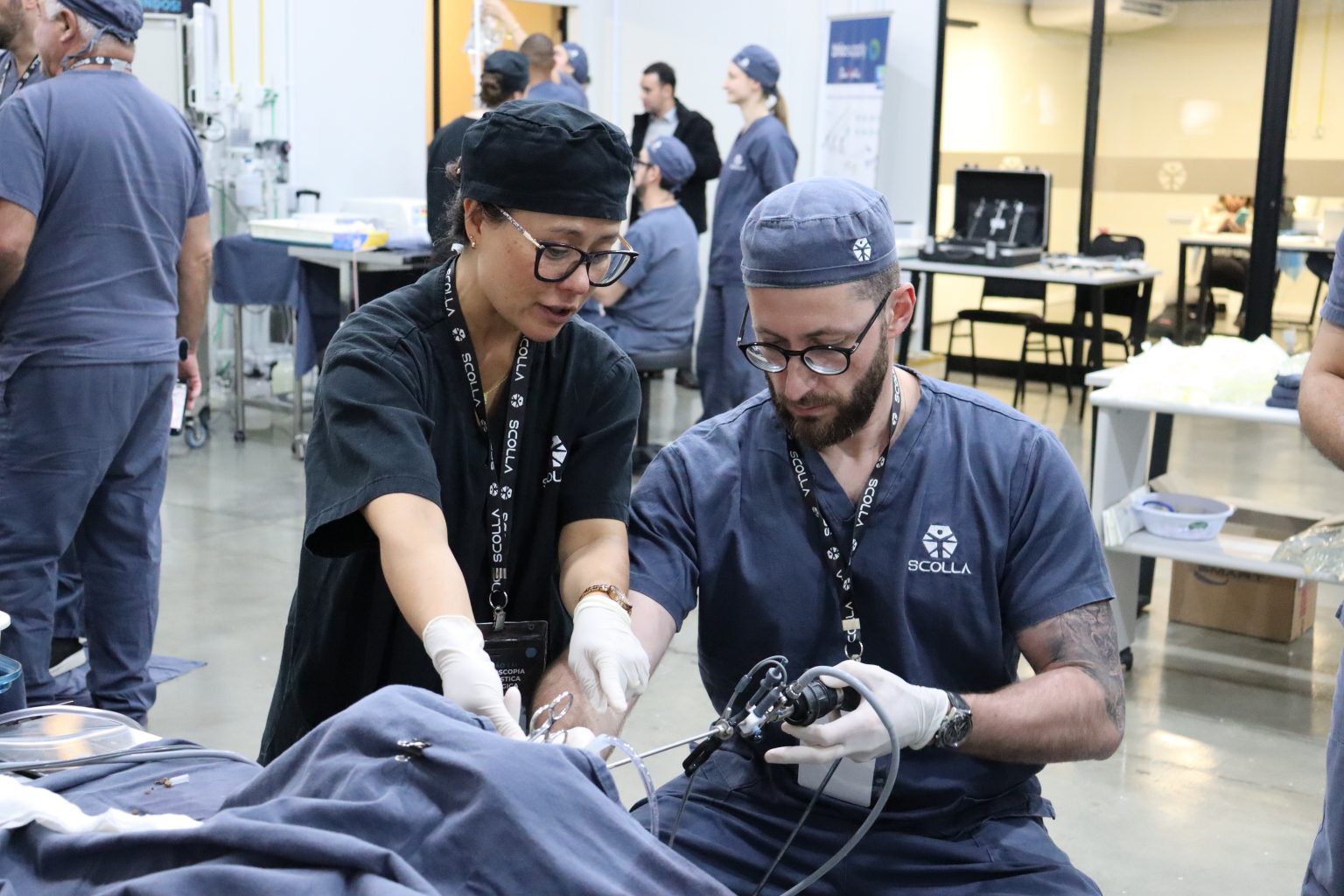
- 2:30 p.m. to 5:30 p.m. - Training at the Scolla Lab - Hysteroscopy using the Bettocchi set and a diagnostic sheath – SCOLLA in-person team
- 5:30 p.m. to 6:00 p.m. – End of activities and boarding the van for the return trip to the hotels
- 8:00 a.m. to 8:30 a.m. – Welcoming students, changing clothes, questions
- 8:30 a.m. to 9:00 a.m. - Electrosurgery Applied to Surgical Hysteroscopy
- 9:00 a.m. to 9:30 a.m. – Getting to Know the Material and Stretching Methods
- 9:30 a.m. to 10:30 a.m. – Clinical case session on surgical hysteroscopy: How would I approach this? 5 cases: Myomectomy, uterine polyp, uterine septum, endometrial ablation, isthmocele. Format: Video (up to 7 minutes each) + Discussion (5 minutes each)
- 10:30 a.m. to 10:50 a.m. – Coffee Break
- 10:50 a.m. to 11:20 a.m. – Complications: How to Prevent Them, How to Resolve Them?
- 11:20 a.m. to 12:20 p.m. – Hysteroscopy Grand Rounds – Faculty and alumni. Real clinical cases – History, images, video, audience interaction, and commentary. 5 clinical cases (10 minutes each) + Discussion (10 minutes total)
- 12:20 p.m. to 1:00 p.m. – “The Insider’s Tips”: Practical tips, Favorite tools, Scheduling, Billing, Consent forms, Working with health insurance providers, OPME, medical reports, Practice workflow
- 1:00 p.m. to 2:00 p.m. - Lunch
- 2:00 p.m. to 5:30 p.m. - Hands-on training
- 5:30 p.m. to 6:00 p.m. - End of activities and boarding the van for the social dinner
- 7:00 p.m. to 9:30 p.m. – Social dinner (students and teachers)
- 7:30 a.m. to 5:00 p.m. – Training in the operating room at Erasto Gaertner Hospital using a resectoscope – SCOLLA on-site team
- 5:00 p.m. to 5:30 p.m. – Course closing ceremony, presentation of certificates, photo session, and completion of the course evaluation
Course Format
- An immersive, hybrid course totaling 30 hours.
- Online classes at the beginning of the week of the in-person course, featuring an introduction to the topic and theoretical background.
- Two days of in-person training at Scolla, covering theoretical review, technical principles, instrumentation, and hands-on training using simulation models and animal models.
- Third day of in-person training with hands-on practice on real patients in the operating room at Erasto Gaertner Hospital, under the supervision of a team of gynecologic surgeons.
Student Profile
This course is designed for gynecologists or professionals currently pursuing a residency or postgraduate training in gynecology who are interested in minimally invasive gynecologic surgery.
COORDINATION & FACULTY
Training led by experts in hysteroscopy and minimally invasive gynecological surgery.
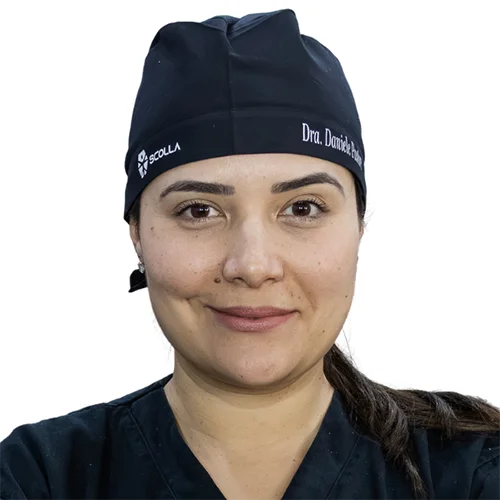
Pastore
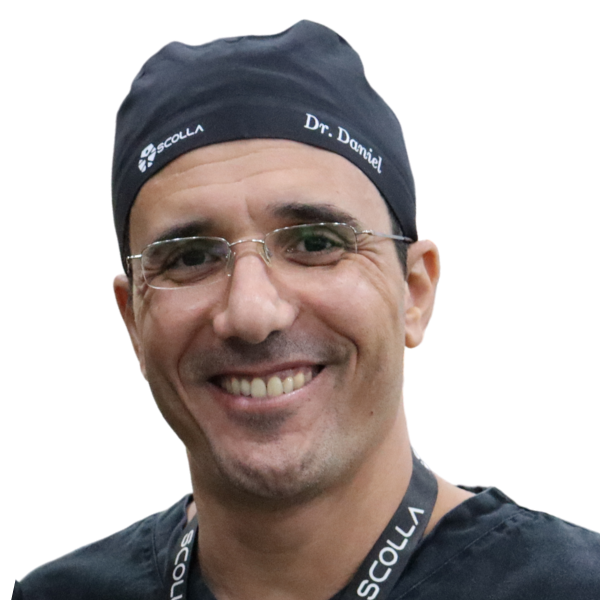
Spadoto
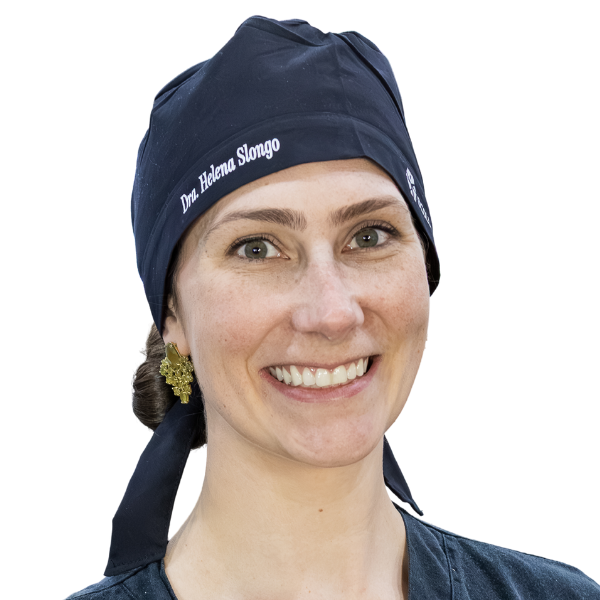
Slongo
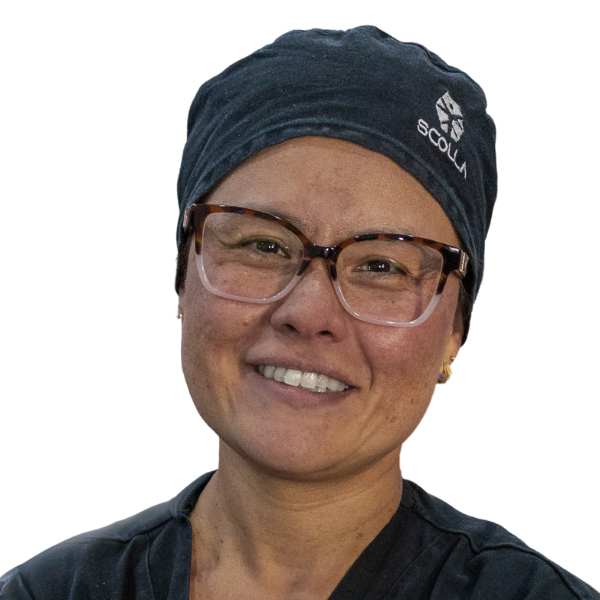
Hayashi
Gnoatto
OUR COURSE GALLERY
Concept, Practice, & Specialized Training Environment


INVESTMENT
Secure your spot in the Diagnostic and Surgical Hysteroscopy Immersion Program.
Full Immersion
Online classes, hands-on sessions at Scolla Lab, and supervised training at Erasto Gaertner Hospital
- Total course hours: 30
- Online classes at the beginning of the week of the in-person course
- Hands-on in-person training and observation of live surgeries
- Practical Training in an Experimental Operating Room: Scolla in Campo Largo, Paraná
- Supervised clinical rotation in a hospital operating room: Erasto Gaertner Hospital
- Class limited to 18 students
Registration Form
Production

- She holds a medical degree from the Federal University of Rio de Janeiro (UFRJ).
- Medical residency in Gynecology and Obstetrics at the Fernandes Figueira Institute (IFF-FIOCRUZ - RJ).
- Medical residency in Gynecologic Endoscopy at the Federal Hospital for State Employees of Rio de Janeiro (HFSE-RJ).
- Master's degree in Women's Health from the Federal University of Fluminense (UFF) and training in Robotic Surgery at the Falke Institute.
- Board Certification in Gynecology and Obstetrics with a specialty in Gynecologic Endoscopy from FEBRASGO.
- He performs minimally invasive gynecological surgery at Nossa Senhora das Graças Hospital, the Army General Hospital, and Santa Cruz Hospital.
- He holds a medical degree from the São José do Rio Preto School of Medicine (FAMERP).
- Medical Residency in Gynecology and Obstetrics and Fellowship in Gynecologic Endoscopy from FMB/UNESP.
- Master’s and Doctoral degrees in Gynecology from the Graduate Program in Gynecology, Obstetrics, and Mastology at FMB/UNESP.
- Postdoctoral Fellowship in Gynecological Endoscopy at the Clermont-Ferrand University Hospital and the CICE in France.
- Board-certified in Gynecology and Obstetrics by FEBRASGO.
- Professor and Ph.D. in the Department of Gynecology and Obstetrics at the Botucatu School of Medicine (FMB/UNESP).
- Bachelor of Medicine from Mackenzie Evangelical College of Paraná.
- Residency in Gynecology and Obstetrics at the State University of Campinas (UNICAMP).
- Board-certified in Gynecology and Obstetrics by FEBRASGO.
- Fellowship in Urogynecology and Pelvic Floor Disorders at UNICAMP.
- Fellowship in Minimally Invasive Surgery / Gynecologic Endoscopy and specialist in Gynecologic Endoscopy certified by FEBRASGO.
- Master’s degree and Ph.D. candidate in Obstetrics and Gynecology from UNICAMP.
- Physician in charge of the Urogynecology and Pelvic Reconstructive Surgery Department at HC-UFPR.
- Experience in the field of medicine, with a focus on gynecology and obstetrics.
- Specialist in Gynecologic Endoscopy.
- Practice with a focus on endometriosis and benign conditions of the female pelvis.
- He holds a medical degree from the Pontifical Catholic University of Paraná (PUC-PR).
- Residency in Gynecology and Obstetrics at Santa Brígida Hospital and Maternity Center.
- Specialization in Cervical Pathology at Erasto Gaertner Hospital.
- Fellowship in Gynecologic Surgery and Reproductive Medicine at the Centre International de Chirurgie Endoscopique (Clermont-Ferrand, France).
- Board-certified in Gynecology and Obstetrics by FEBRASGO.
- Specialist in Lower Genital Tract Pathology and Colposcopy from the ABPTGIC.
- Specialist in Gynecological Endoscopy certified by FEBRASGO.
- Coordinator of the Medical Residency Program at Santa Brígida Hospital and Maternity Center.