





SCOLLA’s Graduate Program in Hepato-Biliary-Pancreatic Surgery was designed in response to the growing demand for specialized training, given the complexity of cases and advances in surgical technologies.
The proposed training program aims to combine up-to-date theoretical foundations with intensive hands-on practice in minimally invasive techniques, with an emphasis on laparoscopic, percutaneous, robotic, and endoscopic approaches. The course structure includes hands-on activities, simulations in the Dry Lab and Animal Lab, as well as live surgical demonstrations.
This initiative is focused on technical excellence, staying current with scientific advancements, and the responsible incorporation of innovation into surgical practice.
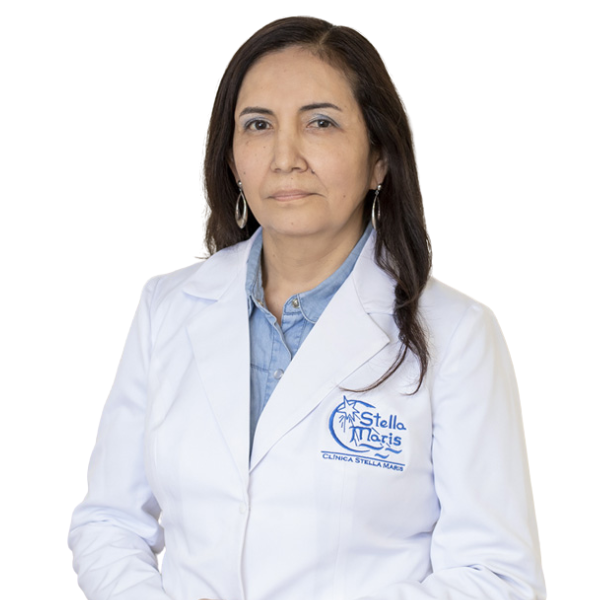
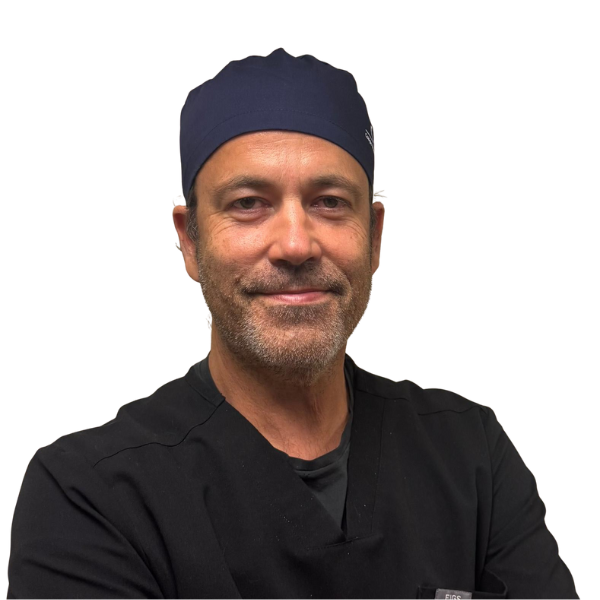
U.S.
U.S.
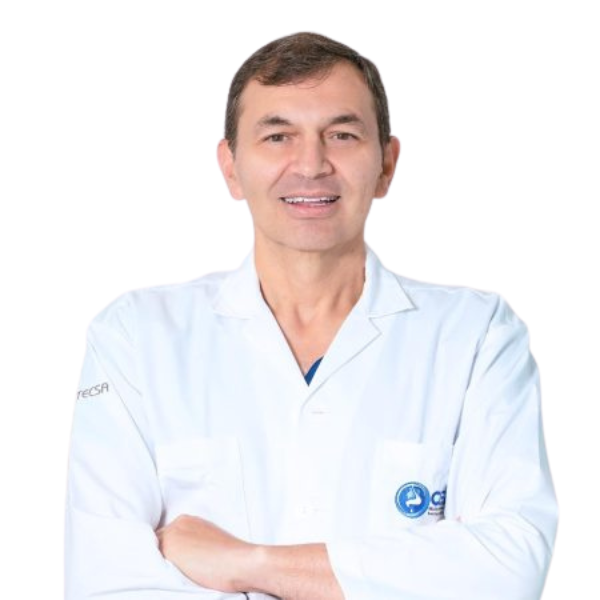
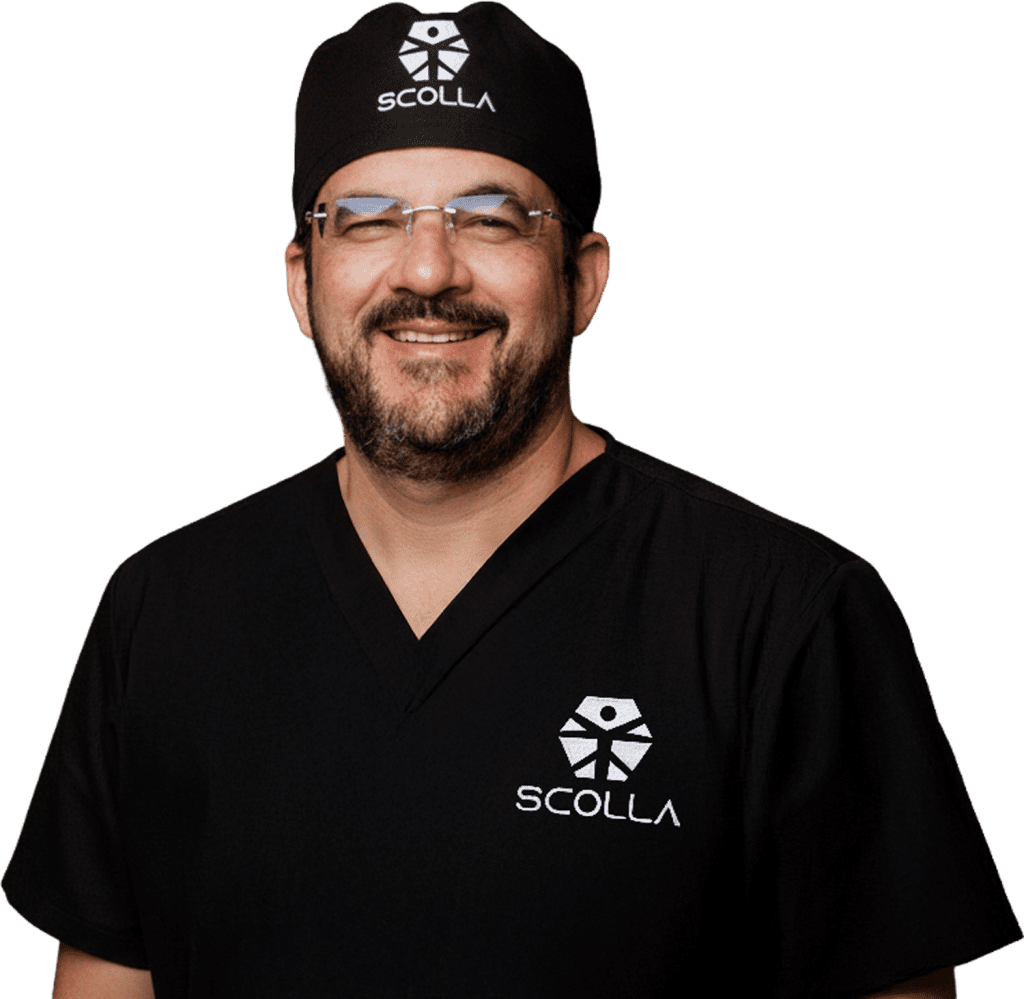
Brazil
Brazil
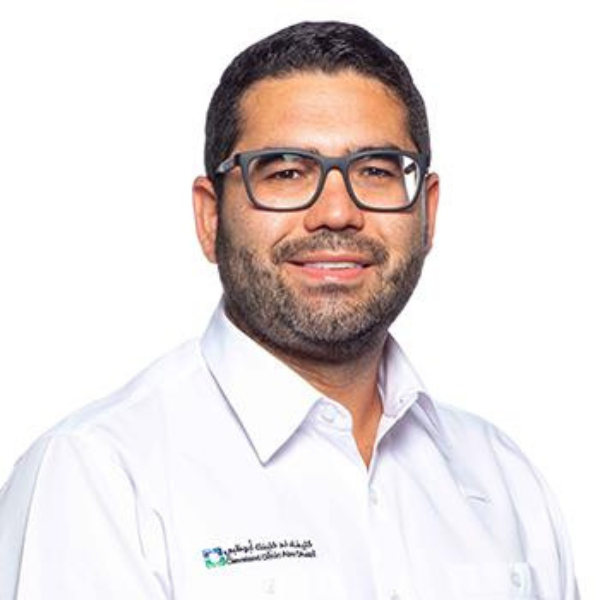
Argentina
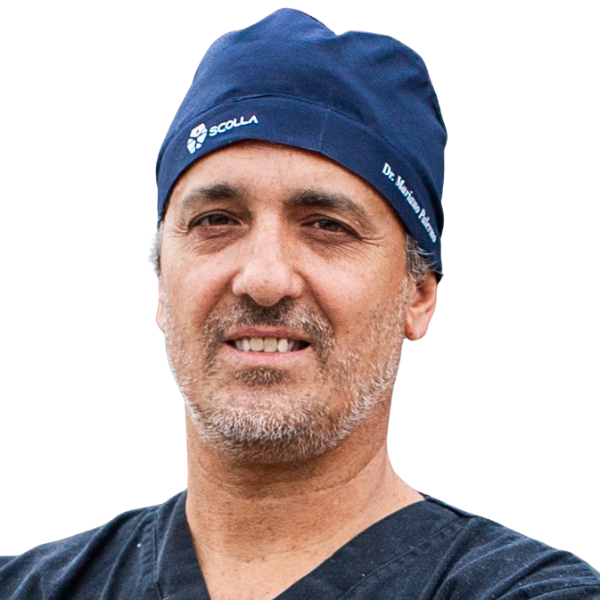
Argentina
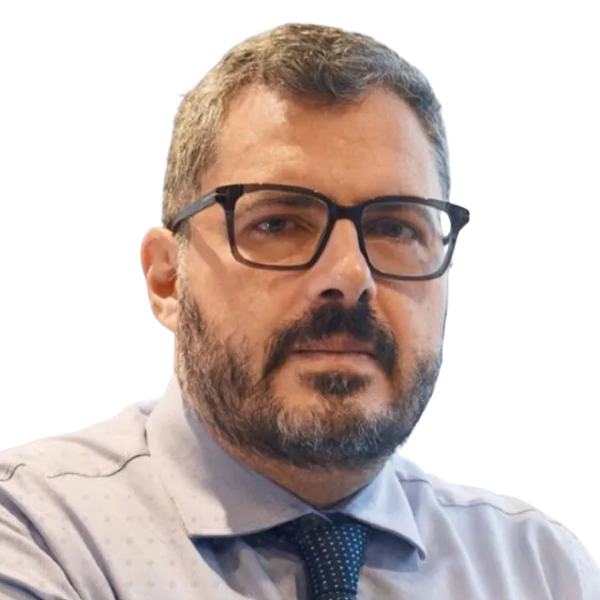
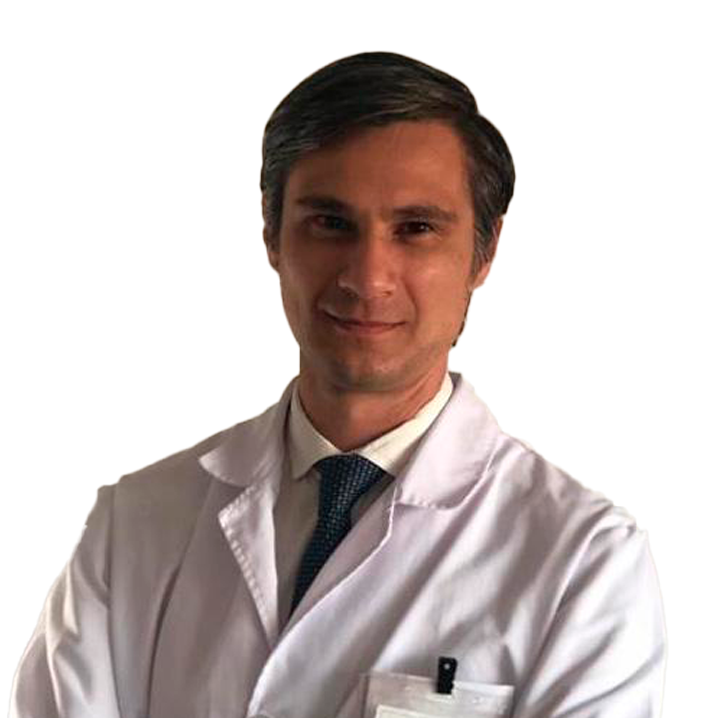
U.S.
Brazil
Brazil
Argentina
Argentina
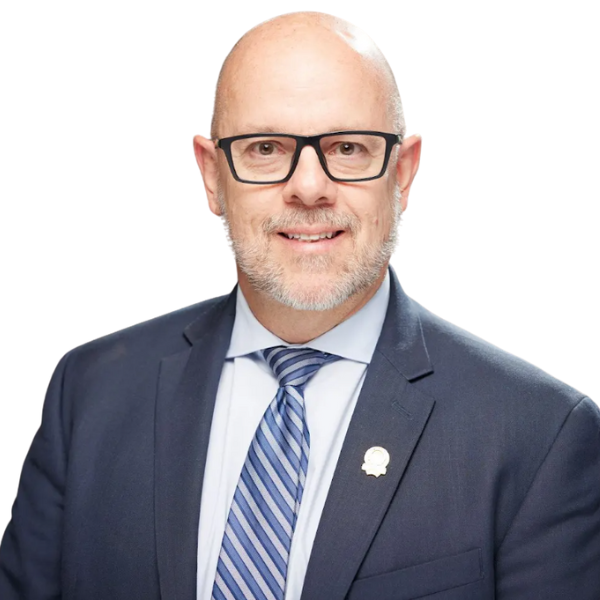
Argentina
Argentina
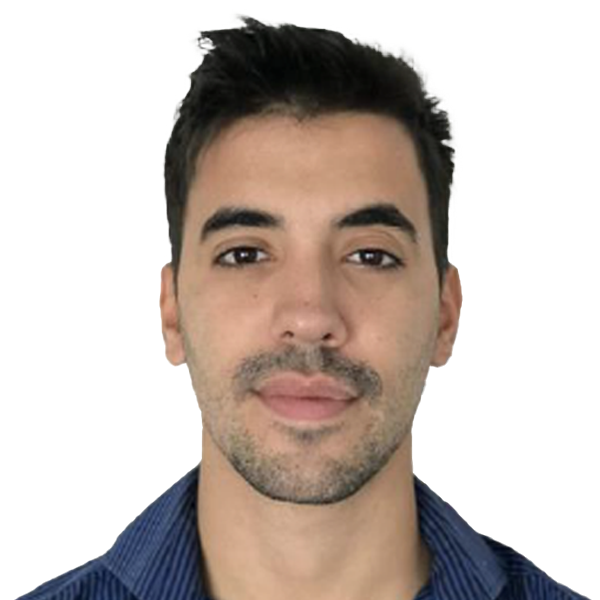
Argentina
Argentina
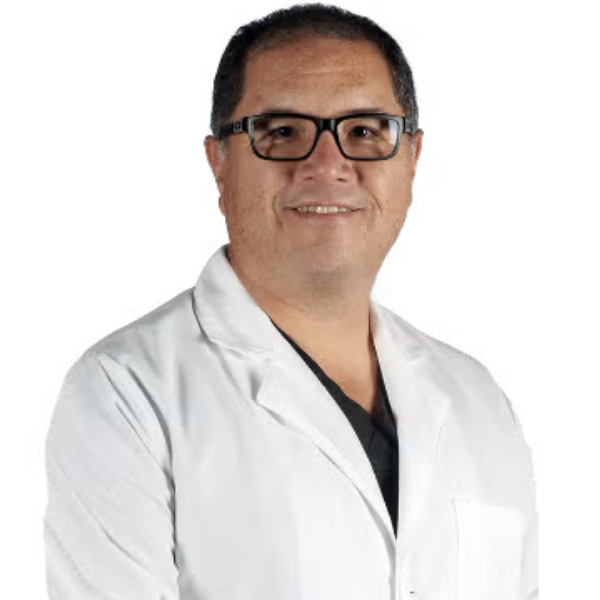
Mexico
Mexico
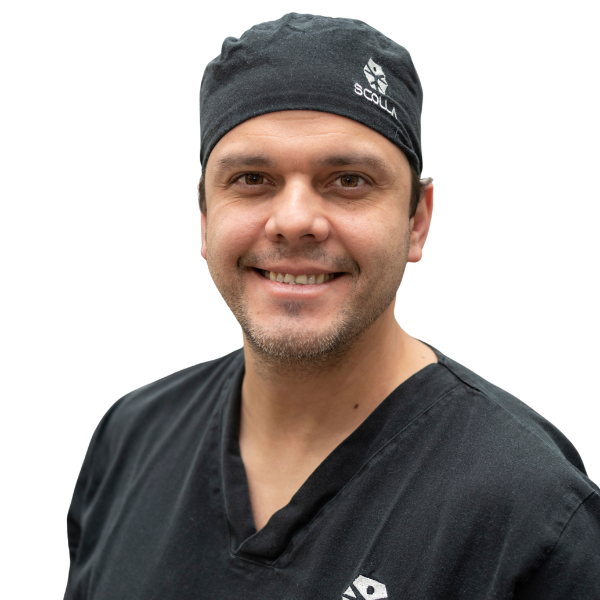
Paraguay
Paraguay
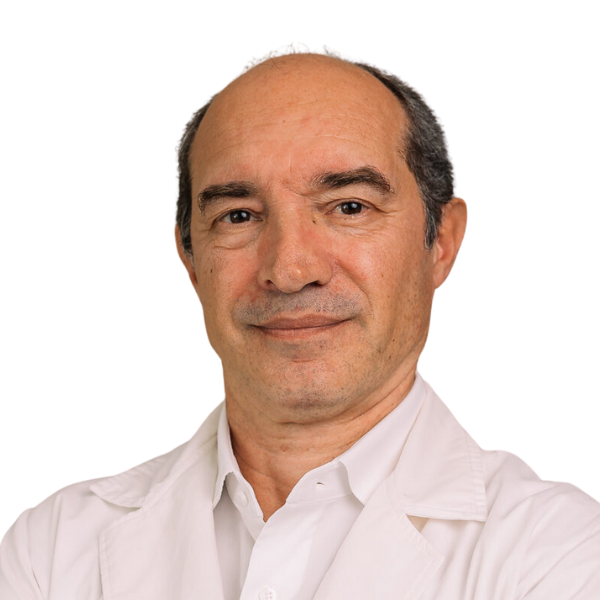
Argentina
Argentina
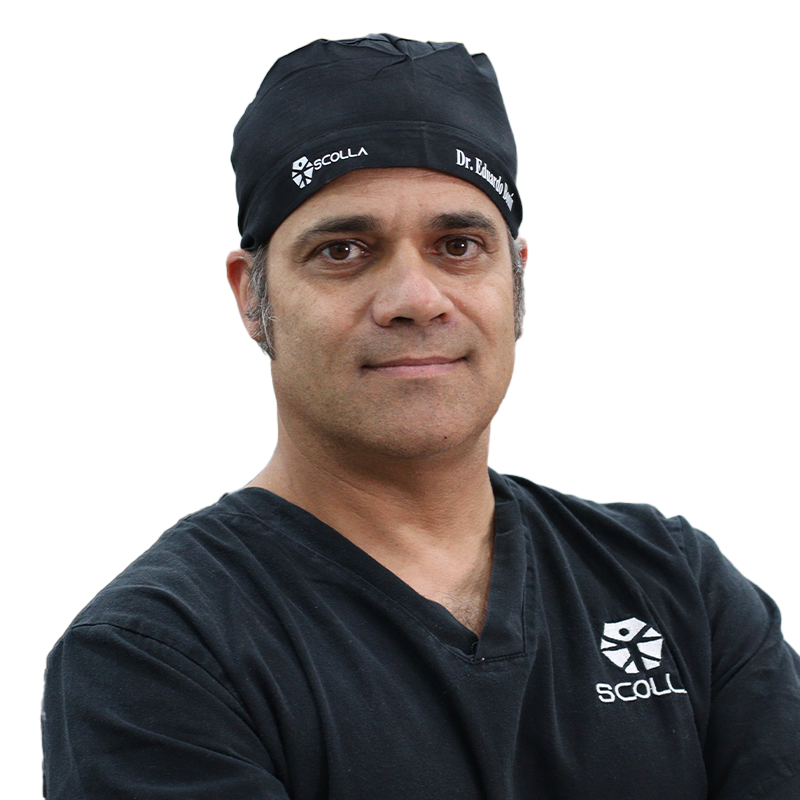
Brazil
Brazil
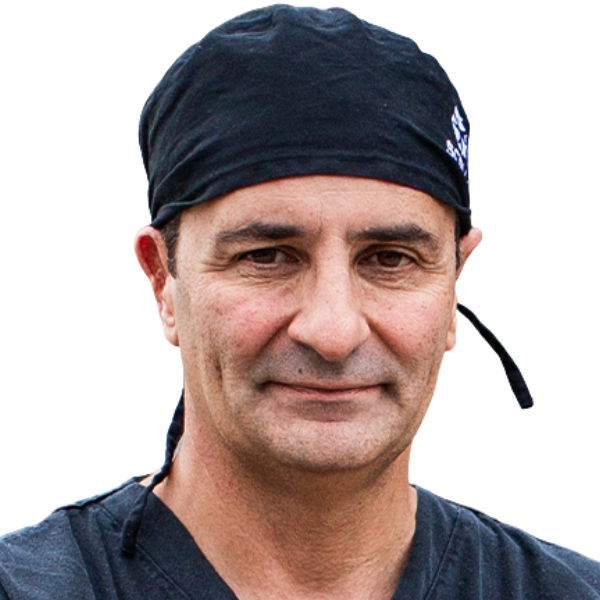
Brazil
Brazil
The theoretical components will be taught through lectures, group discussions, debates, analysis of clinical cases, seminar presentations, and the reading and discussion of scientific articles. In addition, remote activities—both synchronous and asynchronous—will be conducted to enrich the teaching-and-learning process.
The experimental components will be conducted through hands-on practice on live models and simulators, providing students with a controlled learning experience. This training is designed to teach endoscopic techniques and foster an understanding of the relevant anatomy. Practice on live models simulates clinical scenarios, preparing students to perform procedures safely and effectively. The entire process will be supervised by qualified professionals, ensuring safety and the proper development of practical skills.
The practical components will involve the care of outpatients, with an emphasis on taking detailed medical histories, performing physical examinations, formulating differential diagnoses, and discussing clinical cases. All patient care will be supervised by a faculty member, who will lead debates and discussions on the cases addressed.
The course’s pedagogical model is based on the study of content directly related to students’ practical experiences. Discussions will focus on problems and situations familiar to both students and faculty, seeking to achieve the best learning outcomes by drawing on theoretical frameworks, medical literature, practical experiences, and evidence-based studies.
In the curriculum components—especially the practical ones—priority will be given to the values, experiences, and insights of students and faculty. Analyzing and contextualizing real-world situations will be essential, fostering moments of focused study and broader exploration, and seeking to promote the sharing of knowledge and practices among professionals, as well as integration with health services and educational institutions.
| Hybrid Module | Activity | Day of the Week | Schedule | Type | Daily Rate (check-in/check-out) |
Weekly (h/a) |
Module | Total
Course |
| Lectures | 2nd through 4th | 7:00 p.m. to 10:00 p.m. | Online | 3 | 9 | 9 | 36 | |
| Live Surgeries | 6º | 8:00 a.m. to 6:00 p.m. | In-person | 10 | 10 | 10 | 40 | |
| Hands-On Classes | Saturday and Sunday | 8:00 a.m. to 6:00 p.m. | In-person | 10 | 20 | 20 | 80 | |
| Analysis and Evaluation of Recorded Surgeries | Free | free | Online | 9 | 9 | 9 | 36 | |
| Entrepreneurship and Medical Career Management Module | Lectures | To Be Determined | to be determined | Online | To Be Determined | To Be Determined | 52 | 52 |
| Supervised Internship | Postoperative Care | 2nd through 6th | 8:00 a.m. to 5:00 p.m. | In-person | 8 | 40 | 80 | 80 |
| Extracurricular Activities | Reading Articles, Case Studies, and Recorded Surgeries | Free | free | Online | Free | Free | 9 | 36 |
| TOTAL | 360 | |||||||
Total course load of 360 hours, divided into 280 hours of theoretical and practical activities and 80 hours of supervised internship
10 hours of live surgery
20 hours of hands-on practice, for a total of 120 hours
10 hours of live theoretical classes
10 hours of analysis/evaluation of advanced surgeries
10 hours of reading articles and studying case studies
80 hours of observational internship with the course coordinators
With a course load of 52 hours, the course is taught entirely online
Online Classes: March 23, 24, and 25, 2026
In-person classes: March 27, 28, and 29, 2026, at Scolla
Main topics:
- Advanced surgical anatomy of the liver and imaging techniques
- Minimally invasive hepatectomies: laparoscopic and robotic techniques
- Percutaneous approaches to liver lesions: ablation, embolization, and biopsies
- Hands-on training using laparoscopic simulators, anatomical models, and live models
- Live procedure demonstrations
Online Classes: May 18, 19, and 20, 2026
In-person classes: May 22, 23, and 24, 2026, at Scolla
Main topics:
- Surgical anatomy of the pancreas and advanced imaging techniques
- Minimally invasive pancreatectomies: laparoscopic and robotic techniques
- Percutaneous and endoscopic approaches to pancreatic pathologies
- Hands-on training using laparoscopic simulators, anatomical models, and live models
- Live procedure demonstrations
Online Classes: June 29, 30, and July 1, 2026
In-person classes: July 3, 4, and 5, 2026, at Scolla
Main topics:
– Surgical anatomy of the biliary tract, anatomical variations, and advanced imaging techniques
– Simple and complex cholecystectomy: single-port and NOTES techniques
– Laparoscopic and robotic exploration of the biliary tract
– Therapeutic endoscopic procedures: advanced ERCP and cholangioscopy
– Hands-on training using laparoscopic simulators, anatomical models, and live models
In-Person Classes: August 14, 15, and 16, 2026, at Scolla
Main topics:
– Advanced robotic surgery in hepatobiliopancreatic procedures
– Image-guided navigation, augmented reality, and 3D planning
– New technologies in energy, surgical devices, and the future of surgery
– Hands-on training with laparoscopic and robotic simulators, anatomical models, live models, and navigation systems.
A supervised internship is a required activity that involves students gaining hands-on experience by observing the daily operations of the surgical units where the program’s coordinators and faculty members work.
This 100% online module is designed to guide medical professionals in their career reflection, with the aim of laying the groundwork for career planning and entrepreneurship through design and planning tools that help structure scenarios and possible outcomes.
75% class attendance
Grade “C” on the overall evaluation
Physicians who hold permanent registration with the Regional Medical Council (CRM) and a Specialist Qualification Registration (RQE) in Gastroenterology, Proctology, Internal Medicine, General Surgery, or Digestive System Surgery, as well as surgical residents, are eligible to enroll in the Postgraduate Medical Program in Hepato-Biliary-Pancreatic Surgery.
Before booking your tickets, please contact our sales department.
Payment Terms
Course fee: R$ 77,196.00 in a lump sum (via bank slip or Pix) or 14 installments of R$ 5,514.00 ( via credit card—interest-free and without affecting your credit limit).
For your convenience, please avoid using virtual cards to ensure that your recurring payment is processed successfully.
Applicants must submit their résumés for preliminary review before paying for the course.
Before booking your tickets, please contact our sales department.