GRADUATE PROGRAM IN

MINIMALLY INVASIVE AND ROBOTIC COLORECTAL SURGERY

2026

The Graduate Program in Minimally Invasive and Robotic Colorectal Surgery is an innovative and highly specialized program designed to train surgeons capable of mastering, with excellence, the laparoscopic, robotic, and advanced techniques applied to colorectal pathologies. This training integrates theory, practice, and cutting-edge technology. The program has been carefully structured to provide students with a comprehensive educational experience that combines a solid theoretical foundation with intensive practical activities in both real-world and simulated settings. The goal is to transform learning into hands-on experience, enabling professionals to master everything from the fundamentals to the most advanced techniques in the field.

Lato Sensu program accredited by the Ministry of Education (MEC)

It consists of 6 modules. Total course load: 360 hours

Online lectures, in-person live surgeries, and in-person hands-on practical sessions

Hands-on training using live models and laparoscopic and robotic simulators

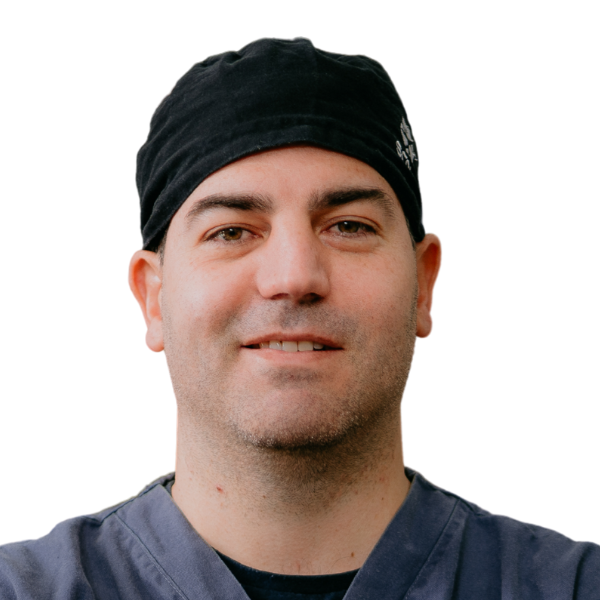
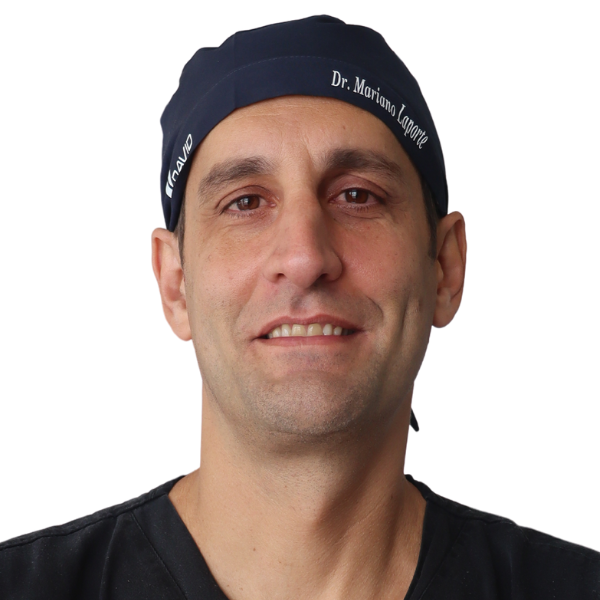
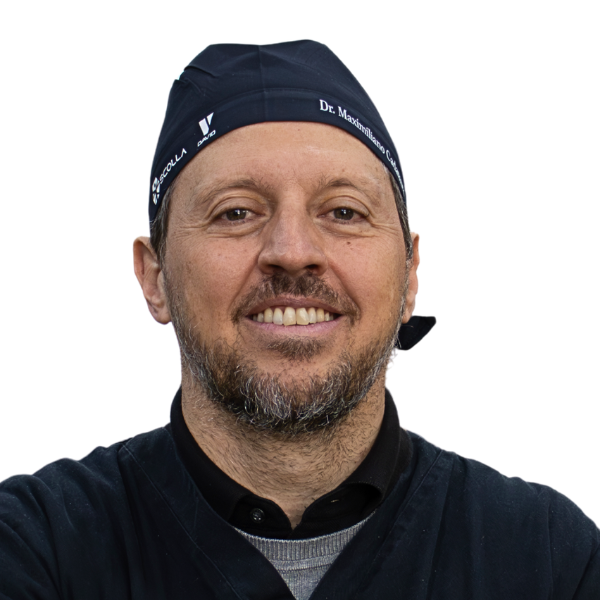
Mentors who are leaders in their respective fields

Graduate Program with Training for Certification in Robotic Surgery (Phase 1)

MENTORS

Coordinators

TEACHERS

Concept, Practice & Immersive Environment

Methodology

The training program uses a theoretical and practical approach, providing students with a thorough understanding of how the technological resources used in minimally invasive colorectal surgery—both laparoscopic and robotic—work.

In-person training involves:

Simulation Center and Operating Room

Activities conducted in real and simulated environments, focusing on the platform’s operation, colorectal surgery procedures, and troubleshooting technical issues.

Preclinical Simulation Training

Development of motor and psychomotor skills using live and inanimate models, simulators, and specific techniques for minimally invasive colorectal surgery.

Training Using Real-Life Cases (Observational)

Participation in live surgeries, allowing students to:

  • Experience the daily routine of the minimally invasive colorectal surgery department
  • Work as an assistant
  • Monitor complex procedures in oncology, endometriosis, and robotics
  • Reinforce learning through direct supervision

The entire process is supervised by experienced surgical mentors with extensive experience in laparoscopic and robotic surgery and in the treatment of advanced colorectal conditions.

Hybrid Module Activity Day of the Week Schedule Type
Daily Rate (check-in/check-out)
Weekly
(h/a)
Module Total

Course

Lectures 2nd through 4th 7:00 p.m. to 10:00 p.m. Online 3 9 9 36
Live Surgeries 8:00 a.m. to 6:00 p.m. In-person 10 10 10 40
Hands-On Classes Saturday and Sunday 8:00 a.m. to 6:00 p.m. In-person 10 20 20 80
Analysis and Evaluation of Recorded Surgeries Free free Online 9 9 9 36
Entrepreneurship and Medical Career Management Module Lectures To Be Determined to be determined Online To Be Determined To Be Determined 52 52
Supervised Internship Postoperative Care 2nd through 6th 8:00 a.m. to 5:00 p.m. In-person 8 40 80 80
Extracurricular Activities Reading Articles, Case Studies, and Recorded Surgeries Free free Online Free Free 9 36
TOTAL 360


DYNAMICS

Duration of up to 16 months

Total course load of 360 hours, divided into 280 hours of theoretical and practical activities and 80 hours of supervised internship

4 hybrid modules, each lasting 57 hours

Classroom hours

10 hours of live surgery
20 hours of hands-on practice

Online course load

9 hours of live theoretical classes
9 hours of analysis/evaluation of advanced surgeries
9 hours of reading articles and studying case studies

Supervised internship

80 hours of observational internship with the course coordinators

Entrepreneurship and Medical Career Management

With a course load of 52 hours, the course is taught entirely online

ACADEMIC SCHEDULE

Module 1 | Laparoscopy in Colorectal Surgery | September 28–October 4, 2026

+

Dates: September 28–October 4, 2026
Online classes: September 28, 29, and 30, 2026
In-person classes: October 2, 3, and 4, 2026

7:00 p.m. to 7:30 p.m. - History and evolution of minimally invasive colorectal surgery

7:30 p.m. to 8:00 p.m. - Laparoscopic tower, trocars, and access to the abdominal cavity
• Ergonomics, operating room setup, and laparoscopic hemostasis
• Laparoscopic equipment for colorectal surgery

8:00 p.m. to 8:30 p.m. - Surgical Anatomy Applied to Colorectal Laparoscopy: Vascular Anatomy of the Colon and Rectum

• Embryological planes and fasciae
• Anatomical landmarks for laparoscopic dissection
• Anatomical variations and surgical implications
• Pelvic anatomy as applied to colorectal surgery
• Deep pelvis, ureter, hypogastric nerves

8:30 p.m. to 9:00 p.m. - Nutritional Preparation of Patients Undergoing Colorectal Surgery

• ERAS Society Protocol (“ERAS” / ACERTO): Anatomical Variations and Surgical Implications
• Immunonutrition

9:00 p.m. to 9:30 p.m. — Intensive patient preparation: What evidence do we have? Diet? Oral preparation? Retrograde preparation?


 

Module 2 | Minimally Invasive Colorectal Cancer Surgery | December 7–13, 2026

+

Date: December 7–13, 2026
Online classes: December 7, 8, and 9, 2026
In-person at Scolla: December 11, 12, and 13, 2026

7:00 p.m. to 7:30 p.m. - Staging, Tumor Biology, and Genetics of Colorectal Cancer: What Surgeons Need to Know

7:30 p.m. to 8:00 p.m. - Current Status of Minimally Invasive Surgery in Colorectal Oncology

  • Laparoscopy vs. Open Surgery for Rectal Cancer: Evidence from Large-Scale Trials (COLOR II, COREAN, ALaCaRT)
  • Laparoscopy vs. Robotic Surgery for Rectal Cancer: What the Studies Show
  • When is the minimally invasive approach contraindicated?

8:00 p.m. to 8:30 p.m. - Right oncological colectomy: complete mesocolic excision (CME) and central vascular ligation

  • CME vs. Conventional Colectomy: Evidence and Technique
  • Randomized studies
  • AIC Ligation at the Origin: Safety and Margins
  • Quality of the surgical specimen

8:30 p.m. to 9:00 p.m. - Left colectomy and oncological sigmoidectomy

  • Surgical technique
  • High-to-Low AMS Ligation

9:00 p.m. to 9:30 p.m. - MRI in the staging of rectal cancer: how to interpret the results and what the surgeon needs to know

  • MRF, EMVI, distance from the sphincter and the levator plane
  • T and N Staging: Criteria and Pitfalls
  • Post-neoadjuvant restaging: What has changed on MRI?
  • How to Report Findings to the Tumor Board

Module 3 | Robotic Colorectal Surgery: New Technologies | February 15–21, 2027

+

Date: February 15–21, 2027
Online classes: February 15, 16, and 17, 2026
In-person classes at Scolla: February 19, 20, and 21
, 2026

7:00 p.m. to 7:30 p.m. - Platforms and Systems: Architecture, Tools, and 3D Visualization

  • Differences Between the Da Vinci Xi, X, and Single Port (SP) / Edge
  • EndoWrist Instruments: forceps, energy devices, and needle drivers
  • 3D View, Firefly (fluorescence), and TilePro
  • Accreditation and Required Curriculum

7:30 p.m. to 8:00 p.m. - Robotic setup for colorectal surgery: positioning, docking, and portal configuration

  • Patient positioning: Lloyd-Davies and Trendelenburg
  • Side Docking vs. Between-the-Legs Docking: When to Use Each
  • Positioning of the portals during colorectal procedures
  • Role of the assistant: who sits at the table and what they do

8:00 p.m. to 8:30 p.m. - Console ergonomics, the learning curve, and the transfer of skills from laparoscopy to robotics

  • Kinesthetic differences: tremor, force, and degrees of freedom
  • Da Vinci Skills Simulator: Exercises and Metrics
  • How many surgeries are needed to overcome the curve? Data from the literature
  • How to Structure Proctoring and Robotic Mentoring

8:30 p.m. to 9:00 p.m. - Robotics vs. Laparoscopy in Colorectal Surgery: Evidence, Costs, and When Robotics Adds Value

  • Oncological Outcomes: Robotic vs. Laparoscopic TME (ROLARR and others)
  • Conversion, operating time, and complications: what the data show
  • Cost-Effectiveness Analysis: How to Justify the Use of a Robot at Your Institution

9:00 p.m. to 9:30 p.m. - Specific Complications of Colorectal Robotic Surgery: Prevention, Recognition, and Management

  • Injuries Caused by Robotic Changeovers and Arm Collisions
  • Complications of positioning: compartment syndrome, neuropathies
  • Robotic Conversion: When and How to Do It Safely
  • System Malfunction: What to Do If the Robot Stops

Module 4 | Colorectal Surgery for Endometriosis | March 15–21, 2027

+

Date: March 15–21, 2027
Online classes: March 15, 16, and 17, 2027
In-person classes at Scolla: March 19, 20, and 21, 2027

7:00 p.m. to 7:30 p.m.

  • Pathophysiology of Intestinal Endometriosis: What Surgeons Need to Know
  • Intestinal shaving: technique, indications, and limitations of superficial resection

7:30 p.m. to 8:00 p.m.

  • Classification and staging: depth, location, and surgical impact
  • Discoid resection: when to perform it and how to do it safely

8:00 p.m. to 8:30 p.m.

  • Diagnostic Imaging: MRI, Transvaginal Ultrasound, and Colonoscopy in Treatment Planning
  • Segmental Resection of the Rectum and Sigmoid Colon: A Step-by-Step Laparoscopic Approach

8:30 p.m. to 9:00 p.m.

  • Applied surgical anatomy: deep pelvis, ureter, hypogastric nerves
  • Right-sided involvement: appendix, cecum, and terminal ileum — diagnosis and technique

9:00 p.m. to 9:30 p.m.

  • Surgical vs. Medical Treatment: Criteria and Decision-Making
  • Transvaginal and Transrectal NOSE in Endometriosis: Indications, Technique, and Safety

Module 5 | Supervised In-Person Internship

+

A supervised internship is a required activity that involves students gaining hands-on experience by observing the daily operations of the surgical units where the program’s coordinators and faculty members work.


Firsthand experience with the daily routine of a leading Minimally Invasive Colorectal Surgery center, with a focus on:

  • Cancer Surgery
  • Intestinal endometriosis
  • Robotic colectomies
  • Advanced Procedures

Module 6 | Entrepreneurship and Medical Career Management

+

This 100% online module is designed to guide medical professionals in their career reflection, with the aim of laying the groundwork for career planning and entrepreneurship through design and planning tools that help structure scenarios and possible outcomes.

GRADUATE PROGRAM IN

MINIMALLY INVASIVE AND ROBOTIC COLORECTAL SURGERY

APPROVAL CRITERIA

75% class attendance

Grade “C” on the overall evaluation

Student Profile

General Surgeon, Gastrointestinal Surgeon, Coloproctologist, Surgical Oncologist

HIGHLIGHTS

Mentoring from the leading experts in the field​

Practical and intensive training using simulators, live models, and cadavers​

Exclusive Theoretical Content

A program focused on sharing scientific experiences with mentors

Realistic simulation in an experimental operating room

Extensive exposure to real-world surgical procedures

Graduate Program in Robotic Surgery (Phase 1): theory, simulator training, and hands-on training using the Scolla surgical robot.

Before booking your tickets, please contact our sales department.

Payment Terms

Total investment: R$ 72,800.00 in a lump sum or in 14 installments of R$ 5,200.00 (interest-free and without affecting your credit limit).

For your convenience, please avoid using virtual cards to ensure that your recurring payment is processed successfully.

Applicants must submit their resumes for preliminary review before paying for the course.

Before booking your tickets, please contact our sales department.

GRADUATE PROGRAM IN

MINIMALLY INVASIVE AND ROBOTIC COLORECTAL SURGERY

PRODUCED BY:

SUPPORT:

Thank you! We'll be in touch soon.