GRADUATE PROGRAM IN

MINIMALLY INVASIVE AND ROBOTIC ABDOMINAL HERNIA SURGERY

2027

Abdominal wall hernias are increasingly becoming an area of surgical practice. We have seen many advances in recent years, ranging from new anatomical insights and new surgical techniques to the growing possibility of using minimally invasive approaches (laparoscopy and robotic surgery). The postgraduate course on abdominal wall hernias will provide the comprehensive training necessary for clinical and surgical practice in the repair of abdominal wall defects. There will be four modules covering the anatomical concepts of the abdominal wall, major surgical techniques, and inguinal, ventral, incisional, lumbar, and hiatal hernias. Through modules featuring extensive theoretical content, interspersed with practical activities on live models, cadaver labs, the use of various simulation platforms, and immersive activities with supervision and hands-on practice in operating room cases, participants will be guided by expert abdominal wall surgeons and leading authorities in the field.

Lato Sensu program accredited by the Ministry of Education (MEC)

It consists of 6 modules. Total course load: 360 hours

Online lectures, in-person live surgeries, and in-person hands-on practical sessions

Hands-on training using live models and laparoscopic and robotic simulators

Mentors who are leaders in their respective fields

Practical Training Using Simulators and Robotic Platforms

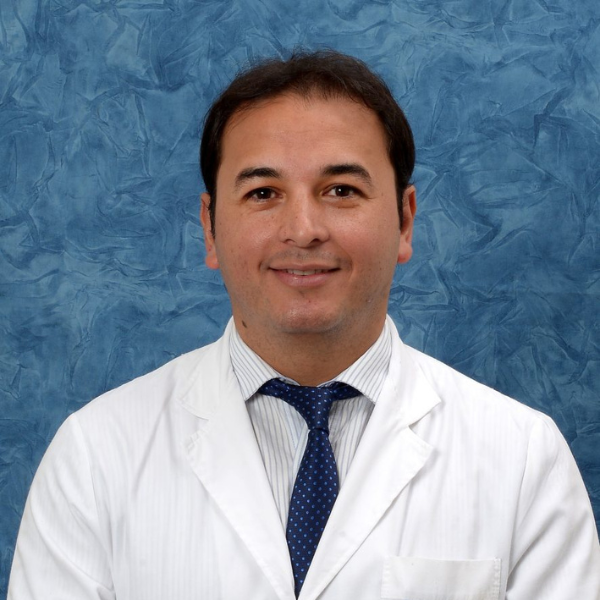
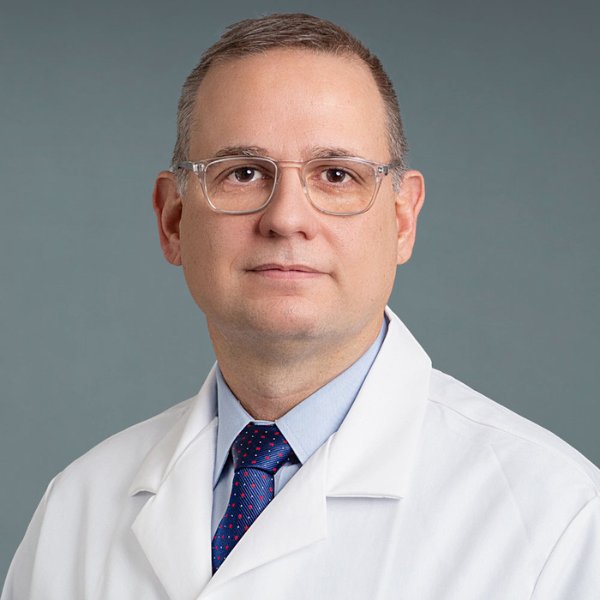
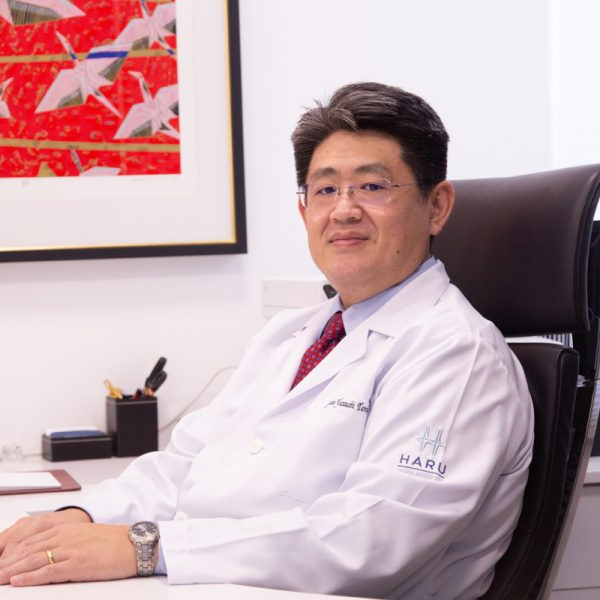
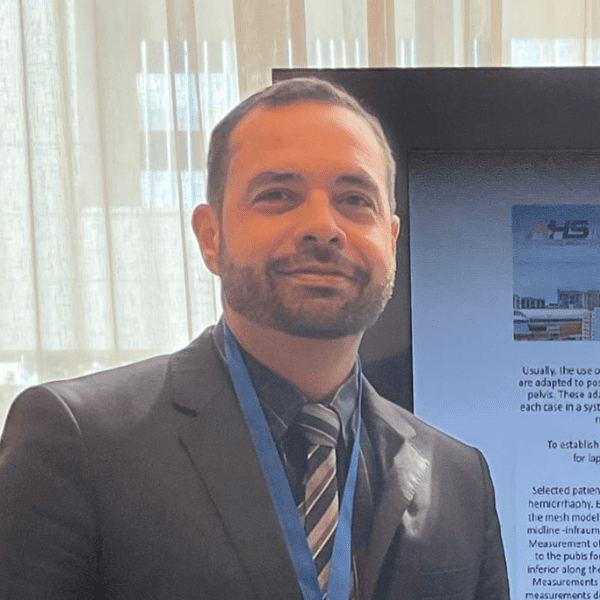
MENTORS

Coordinators

TEACHERS

Concept, Practice & Immersive Environment

Methodology

The training is both theoretical and practical, designed to provide an understanding of the operation and components of the technological platform to be used in surgery.

All in-person training will involve the use of:

  • In the simulation center and the operating room, focusing on routine procedures and problem-solving.
  • Supplementary preclinical training that will involve the development of motor skills based on simulations of the surgical techniques that are the focus of the training.
  • Surgical techniques will also be combined with observation of surgical cases, providing students with hands-on experience as surgical assistants, as well as the opportunity to perform procedures during training and under supervision.
  • All of these steps will be supervised by a preceptor surgeon with extensive practical experience and well-established expertise in the technical aspects of the training.

Classes will be held as follows:

  • Online theory classes taught by leading professionals in the field, live surgery demonstrations, and discussions of clinical cases.
  • Hands-on training using live and inanimate models.
  • An observational internship that provides experience with the day-to-day routine of the Minimally Invasive Surgery department.
Hybrid Module Activity Day of the Week Schedule Type
Daily Rate (check-in/check-out)
Weekly
(h/a)
Module Total

Course

Lectures 2nd through 4th 7:00 p.m. to 10:00 p.m. Online 3 9 9 36
Live Surgeries 8:00 a.m. to 6:00 p.m. In-person 10 10 10 40
Hands-On Classes Saturday and Sunday 8:00 a.m. to 6:00 p.m. In-person 10 20 20 80
Analysis and Evaluation of Recorded Surgeries Free free Online 9 9 9 36
Entrepreneurship and Medical Career Management Module Lectures To Be Determined to be determined Online To Be Determined To Be Determined 52 52
Supervised Internship Postoperative Care 2nd through 6th 8:00 a.m. to 5:00 p.m. In-person 8 40 80 80
Extracurricular Activities Reading Articles, Case Studies, and Recorded Surgeries Free free Online Free Free 9 36
TOTAL 360


DYNAMICS

Duration of up to 16 months

Total course load of 360 hours, divided into 280 hours of theoretical and practical activities and 80 hours of supervised internship

4 hybrid modules, each lasting 57 hours

Classroom hours

10 hours of live surgery
20 hours of hands-on practice

Online course load

9 hours of live theoretical classes
9 hours of analysis/evaluation of advanced surgeries
9 hours of reading articles and studying case studies

Supervised internship

80 hours of observational internship with the course coordinators

Entrepreneurship and Medical Career Management

With a course load of 52 hours, the course is taught entirely online

ACADEMIC SCHEDULE

Module 1 | Basic Concepts in Abdominal Wall | April 13–19, 2026

+

Date: April 13–19, 2026
Online classes: April 13, 14, and 15, 2026
In-person classes at Scolla: April 17, 18, and 19, 2026

• History of hernia surgery
• Anatomy of the abdominal wall
• Anatomy of the inguinal region
• International guidelines and classifications for inguinal hernias
• General classification/division of abdominal wall hernias
• Diagnosis and indications for inguinal hernia surgery
• Open techniques for repairing inguinal hernias
• Femoral hernias and other occult hernias
• Inguino-crural hernias in the emergency department
• Inguino-scrotal hernias and large direct hernias
• Chronic pain after inguinal herniorrhaphy
• Sports hernias
• TEP and TAPP for inguino-crural hernias
• E-TEP for inguino-crural hernias
• Robotic surgery for inguino-crural hernias

Module 2 | Hernia Surgery for General Surgeons | June 14–23, 2026

+

Date: June 15–23, 2026
Online classes: June 15, 16, and 17, 2026
In-person sessions at Hospital da Argentina: June 19, 20, and 21, 2026
AAH Conference: June 22 and 23, 2026

Held in Buenos Aires, this module will offer a hands-on course, allowing participants to observe surgical procedures—under the supervision of renowned specialists—as part of the daily routine in a real operating room. Advanced techniques such as TAPP, TEP, VENTRAL TAPP, and LICHTENSTEIN, among others, will be covered, providing a direct and intensive experience within the surgical environment. This immersion will be a unique opportunity to refine technical skills, consolidate the knowledge acquired in previous modules, and strengthen students’ practical experience in a real-world clinical setting.

• Sports hernias
• How to choose a mesh?
• Types of mesh fixation
• Biological and absorbable meshes: do they make sense?
• Hernias in the Pediatric Population – An Overview
• Planning: How to Reduce the Risk of Complications in My Surgery
• Planning: Imaging Tests
• Progressive Pneumoperitoneum: How to Manage It?
• Botulinum Toxin in Abdominal Wall Hernia Repair
• Prevention of Abdominal Wall Hernias (prophylactic mesh … laparotomy closure)
• Umbilical and epigastric hernias: treatment options
• Spigelian, flank, suprapubic, and subxiphoid hernias: what now?
• Incisional hernias
• Lumbar hernias


Module 3 | Inguinal Hernia | September 7–13, 2026

+

Date: September 7–13, 2026
Online classes: September 7, 8, and 9, 2026
In-person at Scolla: September 11, 12, and 13, 2026

• Open Techniques: Anatomical Repairs with and without Mesh
• Hernia Sac Transposition (Alcino Lázaro Technique)
• Component Separation – Anterior
• Component Separation
• Ventral Hernia: Which Minimally Invasive Techniques Can I Recommend?
• IPUM, IPUM Plus
• Ventral TAPP
• ETEP and RETEP
• TARUP
• TARM
• TAR
• Lira

Module 4 | Special Cases in Abdominal Wall Defects | October 12–18, 2026

+

Date: October 12–18, 2026
Online classes: October 12, 13, and 14, 2026
In-person classes at Scolla: October 16, 17, and 18, 2026

• Milos and Emilos
• Hiatal hernia (GERD)
• Diaphragmatic hernias – Morgagni and Bochdalek

• Treatment of parastomal hernias

• How to establish a abdominal wall hernia center
• The role of the multidisciplinary team
• Radiology, artificial intelligence, and robotics in hernia treatment
• Anesthesia for hernia surgery
• Research on hernias

• The importance of follow-up

Module 5 | Supervised In-Person Internship

+

A supervised internship is a required activity that involves students gaining hands-on experience by observing the daily operations of the surgical units where the program’s coordinators and faculty members work.

Module 6 | Entrepreneurship and Medical Career Management

+

This 100% online module is designed to guide medical professionals in their career reflection, with the aim of laying the groundwork for career planning and entrepreneurship through design and planning tools that help structure scenarios and possible outcomes.

GRADUATE PROGRAM IN

MINIMALLY INVASIVE AND ROBOTIC ABDOMINAL HERNIA SURGERY

APPROVAL CRITERIA

75% class attendance

Grade “C” on the overall evaluation

Student Profile

Medical residents and general surgeons with proven experience in hernia surgery.

Fully trained hernia surgeons.

HIGHLIGHTS

Mentoring from the leading experts in the field​

Practical and intensive training using simulators, live models, and cadavers​

Exclusive Theoretical Content

A program focused on sharing scientific experiences with mentors

Realistic simulation in an experimental operating room

Extensive exposure to real-world surgical procedures

Before booking your tickets, please contact our sales department.

HEAR WHAT PEOPLE WHO HAVE TAKEN THE COURSE HAVE TO SAY

WAITING LIST

Sign up for the waiting list for the next class to receive advance notice when registration opens, as well as updates on the schedule, course structure, and admission criteria.

GRADUATE PROGRAM IN

MINIMALLY INVASIVE AND ROBOTIC ABDOMINAL HERNIA SURGERY

PRODUCED BY:

SPONSORSHIP:

SUPPORT:

Thank you! We'll be in touch soon.