GRADUATE PROGRAM IN

GYNECOLOGY

General, Laparoscopic, and Robotic

2026

Gynecologic surgery is undergoing one of the most transformative periods in its history.
Technological advances, the consolidation of minimally invasive techniques, and the growing impact of robotics have redefined standards and pushed boundaries, making it possible to achieve unprecedented levels of precision and surgical safety.

This graduate program was created with the goal of training professionals who are prepared for this new landscape—surgeons capable of moving with confidence between laparoscopy, robotic surgery, and conventional approaches, always grounded in evidence, ethics, and technical excellence.

Throughout the modules, students undergo a comprehensive program that combines theoretical updates, intensive hands-on training, and immersion in a real operating room, under the direct guidance of experienced mentors who are leaders in the field.
Each stage has been carefully designed to strengthen technical skills, clinical reasoning, and critical thinking in the face of the various challenges of contemporary gynecological surgery.

More than just a course, this is a journey of professional transformation.
Here, learning goes beyond technique—it fosters a new perspective on medical practice, centered on the patient, innovation, and the constant pursuit of superior results.

We look forward to welcoming you to this training program, which represents the future of gynecologic surgery in Brazil and Latin America.

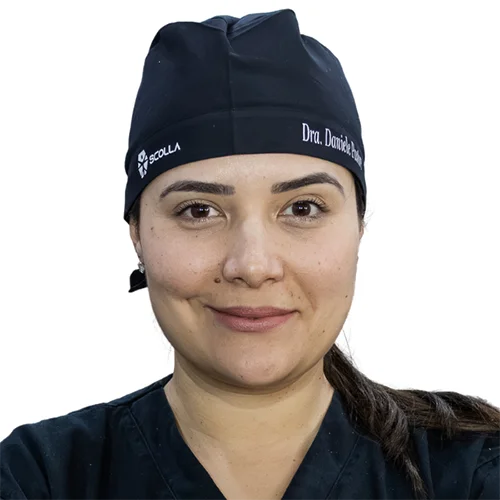
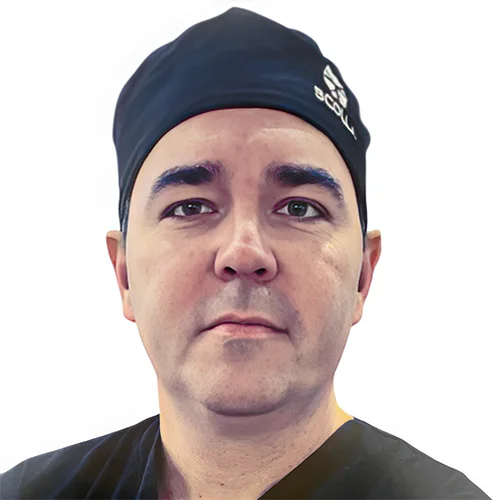
Dr. Daniele Pastore, Dr. Fabio Fin and Dr. Reitan Ribeiro.

Lato Sensu program accredited by the Ministry of Education (MEC)

It consists of 10 modules with a total course load of 360 hours

Online lectures, in-person live surgeries, and in-person hands-on practical sessions

Hands-on training using live models and simulators

Mentors who are leaders in their respective fields

Practical Training Using Simulators and Robotic Platforms

MENTORS

Coordinators

TEACHERS

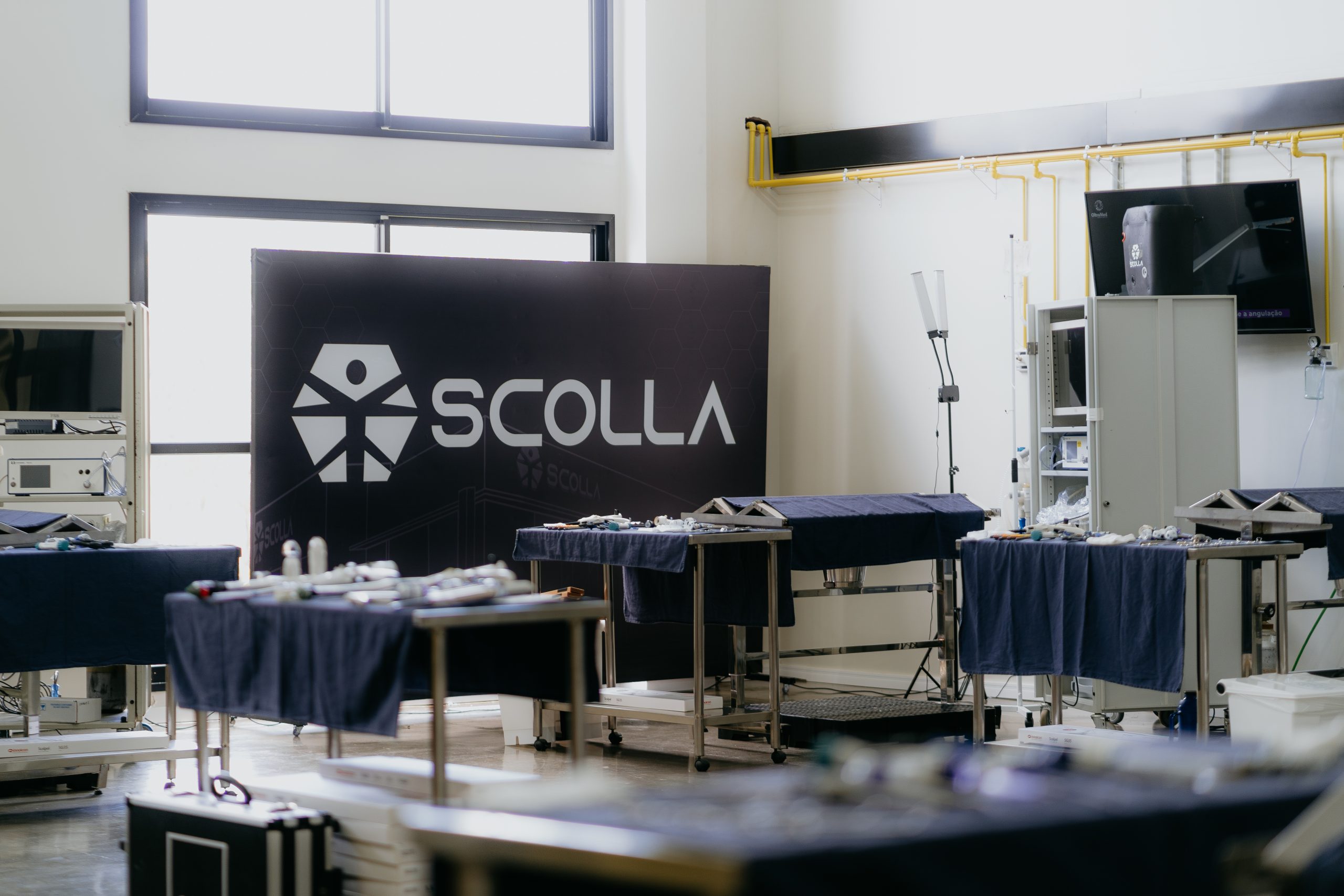
Concept, Practice & Immersive Environment

Methodology

The Lato Sensu Graduate Program in General, Laparoscopic, and Robotic Gynecology employs a hybrid methodology that integrates theory and practice. The program combines online classes, in-person sessions, realistic simulations, and observational internships, fostering continuous, critical learning that is aligned with the realities of medical practice.


  1. Online Classes: Live and recorded presentations of theoretical content, discussion of guidelines, scientific articles, and clinical cases, with opportunities for real-time interaction and individualized study.
  2. Commented surgical videos: Critical analysis of surgeries recorded by faculty members, highlighting techniques, management of complications, and evidence-based approaches.
  3. In-person classes: Sessions focused on technical updates, discussion of complex cases, and in-depth study of laparoscopy and robotics.
  4. Laboratory training: Includes dry-lab practice, realistic simulations on biological and live models, and an introduction to robotic surgery, using simulators and training on a surgical robot.
  5. Live Surgeries: Observation and discussion of procedures broadcast in real time, with an emphasis on intraoperative decision-making and safety strategies.
  6. Observational internship: Hands-on experience in the surgical routine of faculty members, in laparoscopic and robotic surgeries—ranging from simple to advanced procedures—with multidisciplinary collaboration.
  7. Entrepreneurship and Career Management: Classes designed to encourage reflection on career paths, strategic planning, and the application of design and management tools.
Hybrid Module Activity Day of the Week Schedule Type
Daily Rate (check-in/check-out)
Weekly
(h/a)
Module Total

Course

Lectures 2nd through 4th 7:00 p.m. to 10:00 p.m. Online 3 9 9 36
Live Surgeries 8:00 a.m. to 6:00 p.m. In-person 10 10 10 40
Hands-On Classes Saturday and Sunday 8:00 a.m. to 6:00 p.m. In-person 10 20 20 80
Analysis and Evaluation of Recorded Surgeries Free free Online 9 9 9 36
Entrepreneurship and Medical Career Management Module Lectures To Be Determined to be determined Online To Be Determined To Be Determined 52 52
Supervised Internship Postoperative Care 2nd through 6th 8:00 a.m. to 5:00 p.m. In-person 8 40 80 80
Extracurricular Activities Reading Articles, Case Studies, and Recorded Surgeries Free free Online Free Free 9 36
TOTAL 360


DYNAMICS

Duration of up to 16 months

Total course load of 360 hours, divided into 280 hours of theoretical and practical activities and 80 hours of supervised internship

10 hybrid modules, each lasting 57 hours

Classroom hours

10 hours of live surgery
20 hours of hands-on practice, for a total of 120 hours

Online course load

10 hours of live theoretical classes
10 hours of analysis/evaluation of advanced surgeries
10 hours of reading articles and studying case studies

Supervised internship

80 hours of observational internship with the course coordinators

Entrepreneurship and Medical Career Management:

With a course load of 52 hours, the course is taught entirely online

ACADEMIC SCHEDULE

Module 1: Fundamentals of Minimally Invasive Gynecologic Surgery and Getting to Know the Equipment

+

Date: Starts May 18, 2026
Online Classes: May 18 and 19, 2026
In-Person Classes: May 21, 22, and 23, 2026, at Scolla.

Objective
: To build a solid foundation in the use of laparoscopic and robotic technologies, as well as to familiarize students with the principles of minimally invasive surgery.

Online — May 18

7:00 PM – 7:20 PM – Welcome and Introduction to the Graduate Program | Dr. Daniele Pastore, Dr. Fabio Fin, Dr. Reitan Ribeiro
7:20 PM – 8:00 PM – Why Learn Minimally Invasive Surgery in a Graduate Program | Dr. Marcelo Loureiro
8:00 PM – 8:30 PM - What do I need to know about pneumoperitoneum?
8:30 PM – 9:00 PM - Initial access and trocars | Dr. Reitan Ribeiro
9:00 PM – 9:30 PM - Discussion

Online — May 19

7:00 PM – 7:20 PM – Introduction to the first module
7:20 PM – 7:50 PM – Surgical anatomy of the pelvis (including basic innervation)
7:50 PM – 8:20 PM - The assistant
8:20 PM – 8:40 PM – Ergonomics, patient positioning, and placement
8:40 PM – 9:00 PM – Basic knowledge of energy
9:00 PM – 9:30 PM – Discussion

In-person — May 21, 2026 | Thursday

8:00 a.m. – 8:30 a.m. - Introduction and Welcome | Dr. Daniele Pastore, Dr. João Paulo Epprecht
8:30 a.m. – 11:00 a.m. - Basics of Laparoscopic Equipment
11:00 a.m. – 11:30 a.m. - Break
11:30 a.m. – 1:00 p.m. - Black Box / Robotic Simulator

1:00 p.m. – 2:00 p.m. – Lunch

2:00 PM – 2:20 PM – Ovarian Pathologies 1 | Dr. Daniele Pastore
2:20 PM – 2:40 PM – Gynecological Emergencies | Dr. João Paulo Epprecht
2:40 PM – 3:00 PM - Questions and Discussion
3:00 PM - 3:20 PM - Introduction to Hysteroscopy | Dr. Daniele Pastore
3:20 PM - 3:40 PM - Myomectomies | Dr. João Paulo Epprecht
3:40 PM - 4:00 PM - Methods for removing specimens | Dr. Fabio Fin, Dr. João Paulo Epprecht
4:00 PM - 4:30 PM - Suturing | Dr. Joel
4:30 PM - 6:00 PM - Black box / robotic simulator

In-person — May 22, 2026 | Friday

8:00 a.m. – 8:20 a.m. – Hysterectomies | Dr. Daniele Pastore
8:20 a.m. – 8:40 a.m. – Complications | Dr. Fabio Fin
8:40 a.m. – 9:00 a.m. – Suspicious Lesions | Dr. Joel
9:00 a.m. – 9:20 a.m. - Questions
9:20 a.m. – 9:40 a.m. - Consent Form
9:40 a.m. – 10:00 a.m. - Ergonomics Review | Dr. João Paulo Epprecht

10:00 - 10:30 - Break
10:30 - 12:30 - Black Box

12:30 p.m. – 1:30 p.m. – Lunch

1:30 p.m. – 6:00 p.m. – Live surgeries
1:30 p.m. – 6:00 p.m. – Robotic simulator (during surgery breaks)

In-person — May 23, 2026 | Saturday

8:00 a.m. – 8:30 a.m. – Rules and demonstration
8:30 a.m. – 4:00 p.m. – Animal Lab (with a lunch break)


Module 2: Laparoscopic Management of Benign Conditions I – Gynecological Emergencies and Adnexal Conditions

+

Online Classes: June 1 and 2, 2026
In-person classes: May 21, 22, and 23, 2026, at Scolla.

  • Objective: To teach safe and effective laparoscopic management of the most common benign gynecological conditions and gynecological emergencies.
  • Contents:
    • Gynecological emergencies:


      • Ectopic pregnancy (salpingectomy, salpingostomy).
      • Ovarian torsion: when to preserve and when to remove the adnexa.
      • Bleeding and hemorrhagic pelvic masses.
      • Benign adnexal conditions:
      • Laparoscopic ovarian cystectomy.
      • Oophorectomy and salpingo-oophorectomy.
      • Lysis of pelvic adhesions.
    • Gynecological emergencies:
      • Basic Laparoscopic Techniques

Module 3: Laparoscopic Approach to Benign Conditions II – Hysterectomy, Fibroids, Urogynecology, and Infertility

+

Online Classes: July 20 and 21, 2026 
In-person classes: July 30, 31, and August 1, 2026, at Scolla

  • Objective: Master techniques for the minimally invasive treatment of benign uterine conditions, the management of prolapse, and surgical approaches to infertility.
    • Laparoscopic hysterectomy:
      • Laparoscopic total and subtotal hysterectomy: indications and contraindications.
      • Techniques for women with an enlarged uterus.
    • Laparoscopic myomectomy:
      • Enucleation and uterine reconstruction.
      • Hemostasis and the use of morcellators.
    • Laparoscopic urogynecology:
      • Laparoscopic approach to pelvic floor prolapse.
      • Colposacropexia (laparoscopic and robotic).


Surgery for infertility:

  • Laparoscopic evaluation of infertility.
  • Surgical treatment of fallopian tube obstructions.
  • Fallopian tube reanastomosis.

Module 4: Vaginal Surgery and Combined Approaches

+

Online Classes: July 27 and 28, 2026
In-person classes: July 30, 31, and August 1, 2026, at Scolla

  • Objective: To explore the ongoing relevance of vaginal surgery and integrate it into minimally invasive approaches.
  • Contents:
    • Vaginal hysterectomy: indications and contraindications, techniques.
    • Vaginal approach to genital prolapse (colporrhaphy, perineoplasty).
    • Combining vaginal and laparoscopic surgery for complex cases.
    • Comparison of outcomes among different approaches (vaginal vs. laparoscopic vs. robotic).

Module 5: Laparoscopic and Robotic Management of Superficial Endometriosis

+

Online Classes: September 14 and 15, 2026
In-person classes: September 24, 25, and 26, 2026, at Scolla

  • Objective: To train specialists in the accurate diagnosis and laparoscopic treatment of all forms of endometriosis.
  • Contents:
    • Intraoperative Diagnosis and Classification of Endometriosis.
    • Laparoscopic resection of superficial lesions.
    • Endometriosis of the rectovaginal septum and the uterosacral ligaments.
    • Treatment of endometriomas.
    • Management of chronic pelvic pain associated with endometriosis.

Module 6: Laparoscopic and Robotic Management of Deep Endometriosis

+

Online Classes: September 21 and 22, 2026
In-Person Classes: September 24, 25, and 26, 2026 at Scolla

  • Objective: To train specialists in the accurate diagnosis and laparoscopic treatment of all forms of endometriosis.
  • Contents:
    • Intraoperative Diagnosis and Classification of Endometriosis.
    • Laparoscopic resection of deep lesions.
    • Endometriosis of the urinary tract (bladder, ureter).
    • Deep intestinal endometriosis.
    • Frozen Pelvis.

Module 7: Minimally Invasive Surgical Oncology in Gynecology

+

Online Classes: November 16 and 17, 2026
In-person classes: November 26, 27, and 28, 2026, at Scolla

  • Objective: To teach safe laparoscopic and robotic management of oncological conditions, with a focus on preserving quality of life and the principles of staging.
    • Endometrial cancer:
      • Laparoscopic hysterectomy and salpingo-oophorectomy.
      • Pelvic and para-aortic lymphadenectomy, sentinel lymph node mapping (using indocyanine green).
        Ovarian cancer:
      • Resection for suspected pelvic mass.
        • Surgical staging using a minimally invasive approach.
    • Cervical cancer:
      • Laparoscopic/robotic radical trachelectomy.
      • Minimally invasive radical hysterectomy (discussions regarding studies such as the LACC and SHAPE trials).
      • Selection of patients eligible for minimally invasive surgery for gynecologic cancer.

Module 8: Surgical Complications in Gynecology and Risk Management

+

Online Classes: November 23 and 24, 2026
In-Person Classes: November 26, 27, and 28, 2026, at Scolla

  • Objective: To teach preventive management and recovery from perioperative and postoperative complications.
  • Contents:
    • Recognition and Management of Iatrogenic Injuries:
    • Ureteral, bladder, and intestinal injuries.
    • Intraoperative hemorrhage and complications of pneumoperitoneum.
    • Postoperative infections and fistulas.
    • Conversion protocol for open surgery.
    • Multidisciplinary management of severe complications.
    • How to Discuss Complications with Patients and Their Families.

Module 9: Entrepreneurship and Medical Career Management

+

Date: to be determined

  • Objective: To enable participants to manage their careers and promote their services in an ethical and strategic manner.
  • Contents:
    • Management of gynecological clinics and practices.
    • Digital marketing and patient recruitment.
    • Strategies for Success in the Medical Job Market.
    • Financial management and service pricing.
    • Medical ethics and the doctor-patient relationship.


Module 10: Observational and Hands-On Internship

+

Date: to be determined

  • Objective: To provide hands-on experience at specialized centers to observe and develop surgical skills.
  • Contents:
    • Internships at centers of excellence in laparoscopy and robotic surgery.
    • Hands-on workshops using laparoscopic and robotic simulators.
    • Training using cadavers and animal models.

GRADUATE PROGRAM IN

GYNECOLOGY

General, Laparoscopic, and Robotic

APPROVAL CRITERIA

75% class attendance

Grade “C” on the overall evaluation

Student Profile

This postgraduate program is designed for gynecologists and obstetricians, as well as professionals with training in General Surgery or Surgical Oncology, who wish to broaden and deepen their knowledge in the field of minimally invasive gynecologic surgery.

HIGHLIGHTS

Mentoring from the leading experts in the field

Realistic simulation in an experimental operating room and intensive hands-on training using simulators and live models

Exclusive Theoretical Content

Performing procedures on patients under guidance and supervision

Graduate Program in Robotic Surgery (Phase 1): theory, simulator training, and hands-on training using the Scolla surgical robot.

Access to an exclusive community of professionals, facilitating the exchange of knowledge and opportunities for collaboration during and after the course.

Before booking your tickets, please contact our sales department.

Payment Terms

Course fee: R$ 68,600 in a lump sum (via Pix or bank slip) or 14 installments of R$ 4,900.00 (via credit card—interest-free and without affecting your credit limit).

For your convenience, please avoid using virtual cards to ensure that your recurring payment is processed successfully.

Applicants must submit their résumés for preliminary review before paying for the course.

Before booking your tickets, please contact our sales department.

GRADUATE PROGRAM IN

GYNECOLOGY

General, Laparoscopic, and Robotic

PRODUCED BY:

SUPPORT:

Thank you! We'll be in touch soon.