1st URETHRAL RECONSTRUCTION:

HANDS-ON TRAINING IN URETHRAL SURGERIES AND GENDER AFFIRMATION SURGERY

September 14–20, 2026

1st URETHRAL RECONSTRUCTION:

HANDS-ON TRAINING IN URETHRAL SURGERIES AND GENDER AFFIRMATION SURGERY

September 14–20, 2026

Urethral reconstruction and gender-affirming surgery are now highly complex and increasingly important areas within reconstructive urology, driven by advances in anatomical knowledge, the refinement of surgical techniques, and the need to provide functional, safe, and ethically sound solutions to patients with increasingly challenging conditions. The proper management of urethral strictures in their various segments, as well as performing gender-affirming surgery, requires specialized training, rigorous planning, and advanced technical proficiency.

The Recontech Urethra course : Hands-on Training in Urethral Surgery and Gender-Affirming Surgery, to be held September 14–20, 2026, was designed to meet this demand by offering urologists advanced training that integrates solid theoretical foundations, structured surgical reasoning, and intensive hands-on training. The program provides an in-depth look at diagnostic evaluation, preoperative planning, and the execution of key techniques for anterior and posterior urethral reconstruction and panstenosis repair, as well as the modern principles of gender-affirming surgery (MtF).

The curriculum covers everything from classical and contemporary urethroplasty techniques — including penile, bulbous, and post-pelvic-trauma reconstructions, the use of flaps, and the management of complex cases — to the anatomical, functional, and ethical foundations of gender-affirming surgery, with a focus on preoperative preparation, intraoperative decision-making, complication management, and long-term follow-up.

Hands-on activities are one of the cornerstones of the course, featuring cadaver labs dedicated to penile, bulbar, and posterior urethral reconstruction, as well as anatomical training applied to gender-affirming surgery, providing a realistic experience of the techniques, anatomical variations, and surgical pitfalls. Observation of surgeries performed by specialists complements this training, allowing for real-time discussion of technical decisions and critical analysis of the procedures.

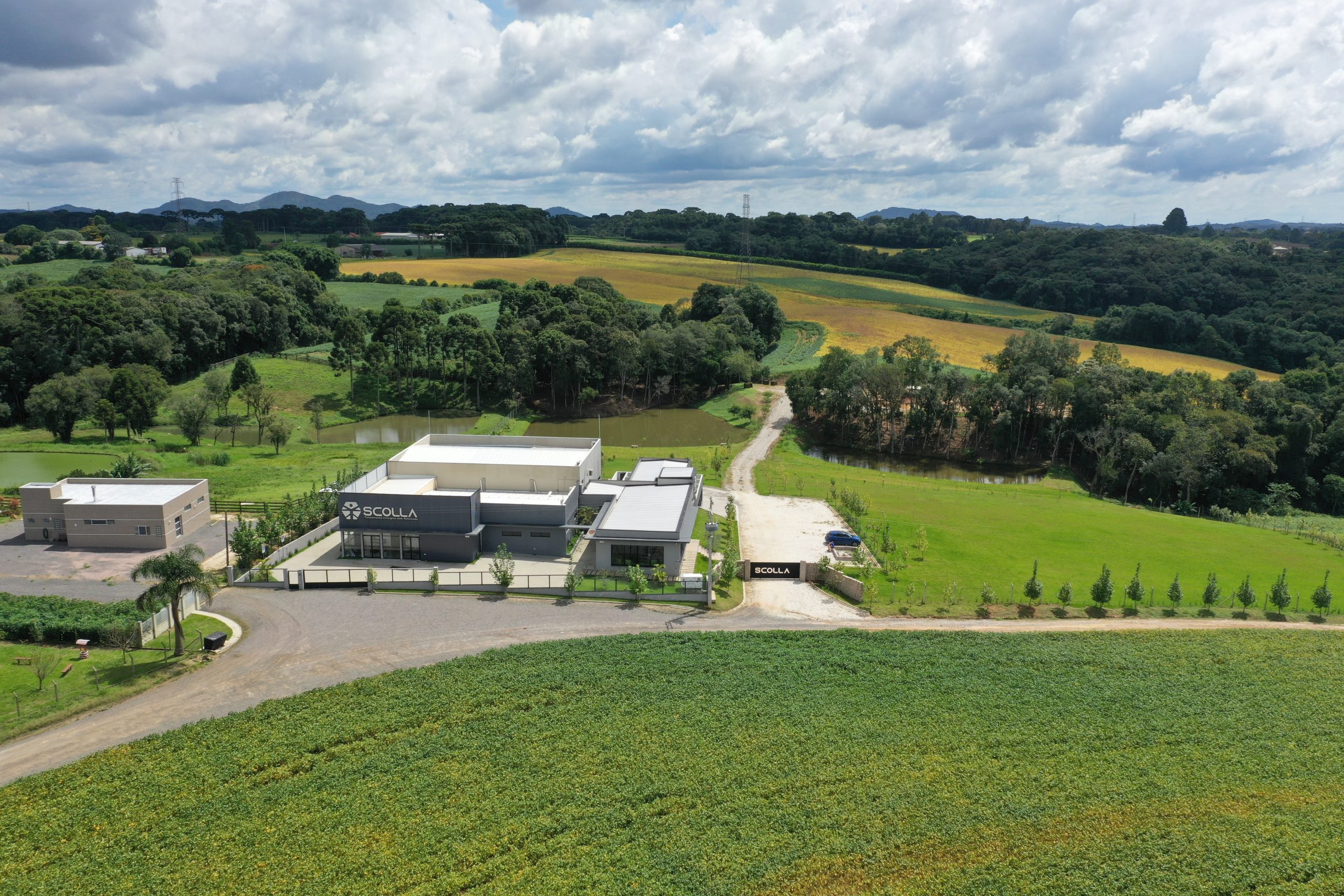
Scolla offers a modern facility, fully equipped for advanced surgical simulation and training in a controlled environment, providing an immersive, ethical, and highly specialized experience. This course has established itself as a leading training program for urologists seeking technical excellence, safety, and accountability in urethral reconstructive procedures and gender-affirming surgery, combining innovation, science, and patient-centered care.

Sincerely,
Course Coordination

Immersion in a Realistic Training Center

Online lectures, in-person live surgeries, and in-person hands-on practical sessions

Leading mentors in urology

Performing procedures on actual patients under direct guidance and supervision

MENTORS

COORDINATORS

TEACHERS

Concept, Practice & Immersive Environment

Methodology

  • Lectures: Live, online lectures will be held over the course of 3 days, and participants will also have flexible access to the course materials.
  • Intensive Hands-On Classes: Over the course of 3 days, students will participate in hands-on classes that include:
  • Recorded surgeries and case discussions, providing direct observation of techniques in real time.
  • "Semi-live" sessions, where procedures are demonstrated and analyzed in detail.
  • Practical training on cadaveric specimens and the use of anatomical specimens to simulate procedures.
  • Training in procedures performed on anatomical specimens, enabling in-depth and safe learning.

DYNAMICS

TOTAL OF 40 H/A

1 week

THEORETICAL

14 hours of classroom instruction

PRACTICES

18 hours of hands-on instruction

SCHEDULE

Day 1 - Anterior Urethra

  • Lesson 1 — Evaluation of Patients with Urethral StenosisCompetencies: Understand the epidemiology and etiology of urethral stricture; Perform clinical and functional evaluations; Master the technique and interpretation of retrograde and voiding urethrocystography; Use urethral ultrasound to assess the length and degree of stricture; Evaluate the role of magnetic resonance imaging; Plan surgery based on imaging studies.
  • Lesson 2 — Navicular Fossa StenosisCompetencies: Define surgical indications and selection criteria; Understand the technical options for reconstruction; Perform the procedure step by step; Evaluate functional and aesthetic outcomes; Review the key recommendations of international guidelines.
  • Lesson 3 — Penile Urethral Stenosis

    Competencies: Perform an anatomical evaluation and select the appropriate technique; Master the indications and technique for Malone meatoplasty; Apply the Nikolavsky endoluminal technique; Understand the principles, indications, and outcomes of the “mini-Kulkarni” technique; Compare techniques and define selection criteria; Prevent and manage complications.
  • Lesson 4 — Bulbar Urethral StenosisCompetencies: Master the surgical anatomy of the bulbar urethra; Indicate and perform transecting urethroplasty and the vessel-sparing technique; Perform bulbar urethral reconstruction following TUR; Evaluate functional outcomes, complications, and long-term follow-up.


Day 2 – Panstenosis and Posterior Urethra

  • Lesson 1 — Urethral Panstenosis
    Learning Objectives: Define and manage the challenges of panestenosis; Indicate single-stage or multi-stage reconstruction; Master the McAninch and Kulkarni techniques; Learn tips, tricks, and technical pitfalls; Evaluate outcomes and success rates.
  • Lesson 2 — Urethral Reconstruction Grafts
    Competencies: Define the indications for flaps; Master the technique and applications of the Martius flap and the gracilis flap; Select the appropriate flap based on the urethral defect; Apply technical tips to reduce complications; Evaluate functional outcomes and morbidity.
  • Lesson 3 — Posterior Urethral Stenosis Due to Pelvic Trauma
    Competencies: Understand the pathophysiology and classification of injuries; Perform diagnostic evaluation and surgical planning; Perform the technique step by step; Apply tips and tricks for exposure and reconstruction; Manage complex cases and revision surgeries; Evaluate outcomes and complications.

Day Three - Gender Affirmation Surgery

  • Lesson 1 — Fundamentals and Preoperative Preparation (MtF)
    Competencies: Understand the principles of surgery and its objectives (functional/aesthetic); Apply eligibility criteria and multidisciplinary assessment; Optimize the patient’s clinical status (smoking, BMI, comorbidities, thromboembolic risk); Manage hormone therapy in the perioperative period (general concepts and coordination with an endocrinologist); Conduct the informed consent process (expectations, sexuality, risks, and limitations).
  • Lesson 2 — Surgical Anatomy and Technical Planning (the “roadmap” for the case)
    Competencies: Master the relevant anatomy and critical points (vascularization, nerves, urethra, skin); Understand the technical options (penile inversion vaginoplasty, variations/alternatives, principles of vulvoplasty); Plan the depth, width, and positioning of the introitus; Stratify complex cases (previous circumcision, penile hypoplasia, previous use of blockers/puberty, previous surgery).
  • Lesson 3 — Conceptual Step-by-Step Guide to the Surgery (Intraoperative Decision-Making Process)
    Competencies: Master the surgical sequence (without a “set formula,” but with checkpoints); Construct the neovulva (principles of clitoris/neoclitoroplasty and sensitivity); Perform urethroplasty and meatal placement (prevention of stenosis); Apply safety protocols (hemostasis, drainage, closure, dressings); Define what constitutes “good practice” during the intraoperative period (symmetry, skin tension, irrigation, prevention of necrosis).
  • Lesson 4 — Postoperative Care, Complications, and Reoperations (the most common problems)

    Competencies: Provide immediate care and rehabilitation (pain, wound care, hygiene, dilation, return to activities); Manage early complications (bleeding/hematoma, infection, dehiscence, necrosis, urinary retention) and late complications (meatal/urethral stenosis, introitus stenosis, fistulas, loss of depth, pain, functional issues); Order and perform follow-up visits (criteria, timing, and communication with the patient); Collaborate with other specialists for long-term follow-up (gynecologist, coloproctologist, endocrinologist, pelvic physical therapist).


Practical Classes (in-person at Scolla)


  • Cadaver Lab - Penile Urethroplasties
    Objectives: To train students in penile urethral reconstruction techniques; to perform applied anatomical dissections; to perform the techniques under supervision; to discuss technical pitfalls and anatomical variations.
  • Cadaver Lab - Bulbar/Posterior Urethroplasties
    Skills: Perform dissection of the bulbar and posterior urethra; Simulate reconstructive techniques; Address complex cases; Discuss complications and prevention strategies.
  • Cadaver Lab - Gender Affirmation Surgery
    Skills: Conduct anatomical training applied to surgery; Practice urethral reconstruction and technical principles; Discuss anatomical and functional challenges; Receive practical guidance from specialists.
  •  
    Surgeries
    Skills: Observe surgeries performed by specialists; Discuss technical decisions in real time; Critically analyze procedures; Interact with surgeons.


Student Profile

This course was designed for urologists, whether from Brazil or Latin America

HIGHLIGHTS

Mentoring from the leading experts in the field

Practical and intensive training in an experimental operating room

Exclusive Theoretical Content

A program focused on sharing scientific experiences with mentors

Realistic simulation in an experimental operating room

Extensive exposure to real-world surgical procedures

Before booking your tickets, please contact our sales department.

Investment Amount:

R$ 27,900.00ina lump sum (via boleto or Pix) or 3 installments of R$ 9,300.00 (via credit card—interest-free and without affecting your credit limit).

For your convenience, please avoid using virtual cards to ensure that your recurring payment is processed successfully.

Before booking your tickets, please contact our sales department.

ORGANIZATION:

Thank you! We'll be in touch soon.