Plastic surgery has come a long way, but there are still some cases that challenge us. To overcome certain obstacles, we have to think differently—deconstruct and reconstruct the old solution. Healthier lifestyles have brought patients to our offices with a previously unsolvable problem: abdominal diastasis in thin people without excess skin that would warrant a tummy tuck. There is less and less justification for making large abdominal incisions due to the emergence of technologies—such as lasers—that aid in skin retraction.
So the next big step is to be able to treat abdominal diastasis in these patients using a minimally invasive approach. This was extremely difficult to achieve with a mini-abdominoplasty incision. To address the needs of these lean patients with high muscle tone and little or no skin laxity, we turned to video surgery and robotics to find the technology needed to take this next step. In this course, we will teach you how to address this major challenge safely, practically, and efficiently, using materials available at any hospital that performs video-assisted surgery. This is yet another powerful tool for a patient population with a growing demand for minimally invasive solutions that result in increasingly smaller scars. Being able to offer this procedure in combination with contouring liposuction and technologies to reduce skin laxity is a step toward the future.
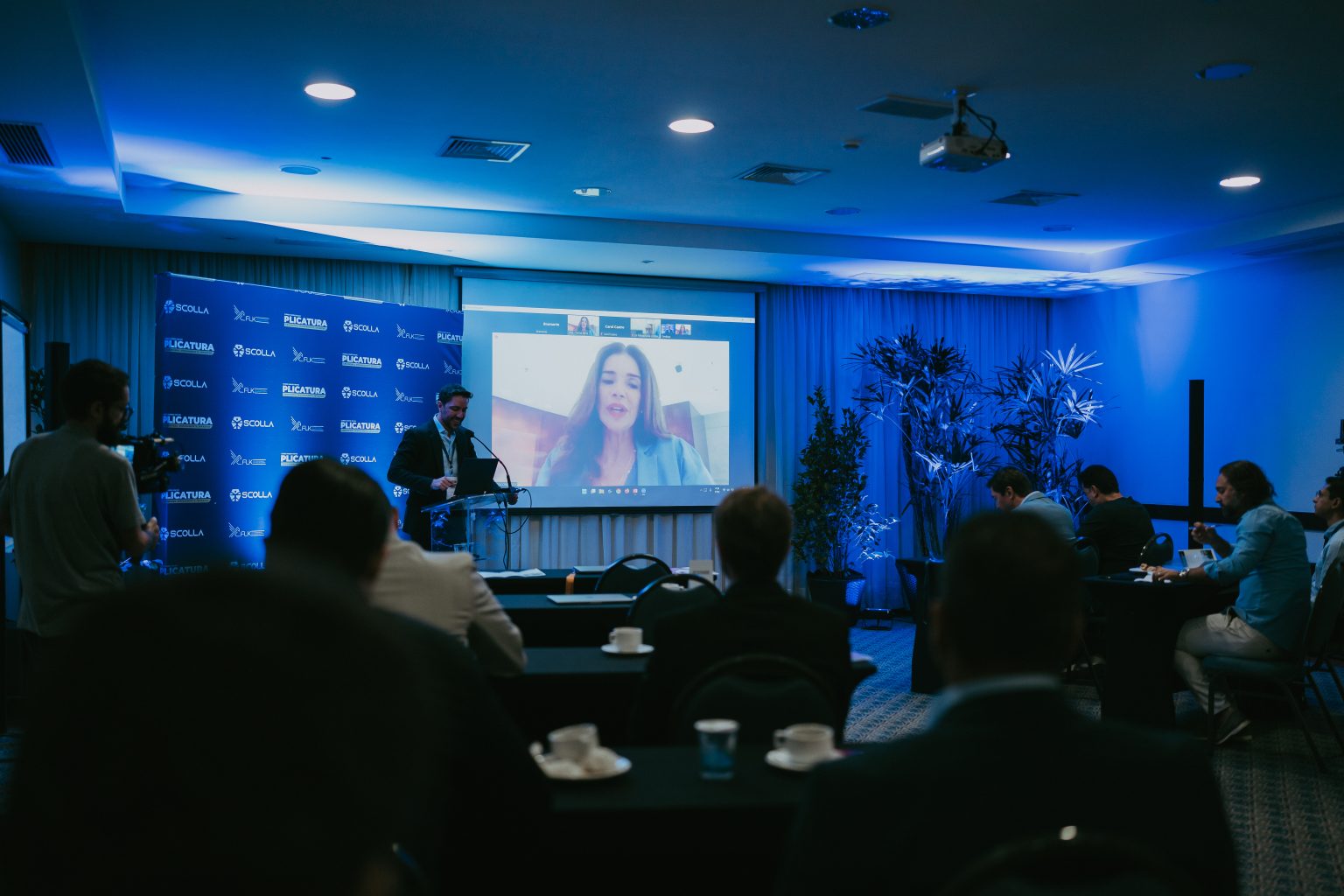
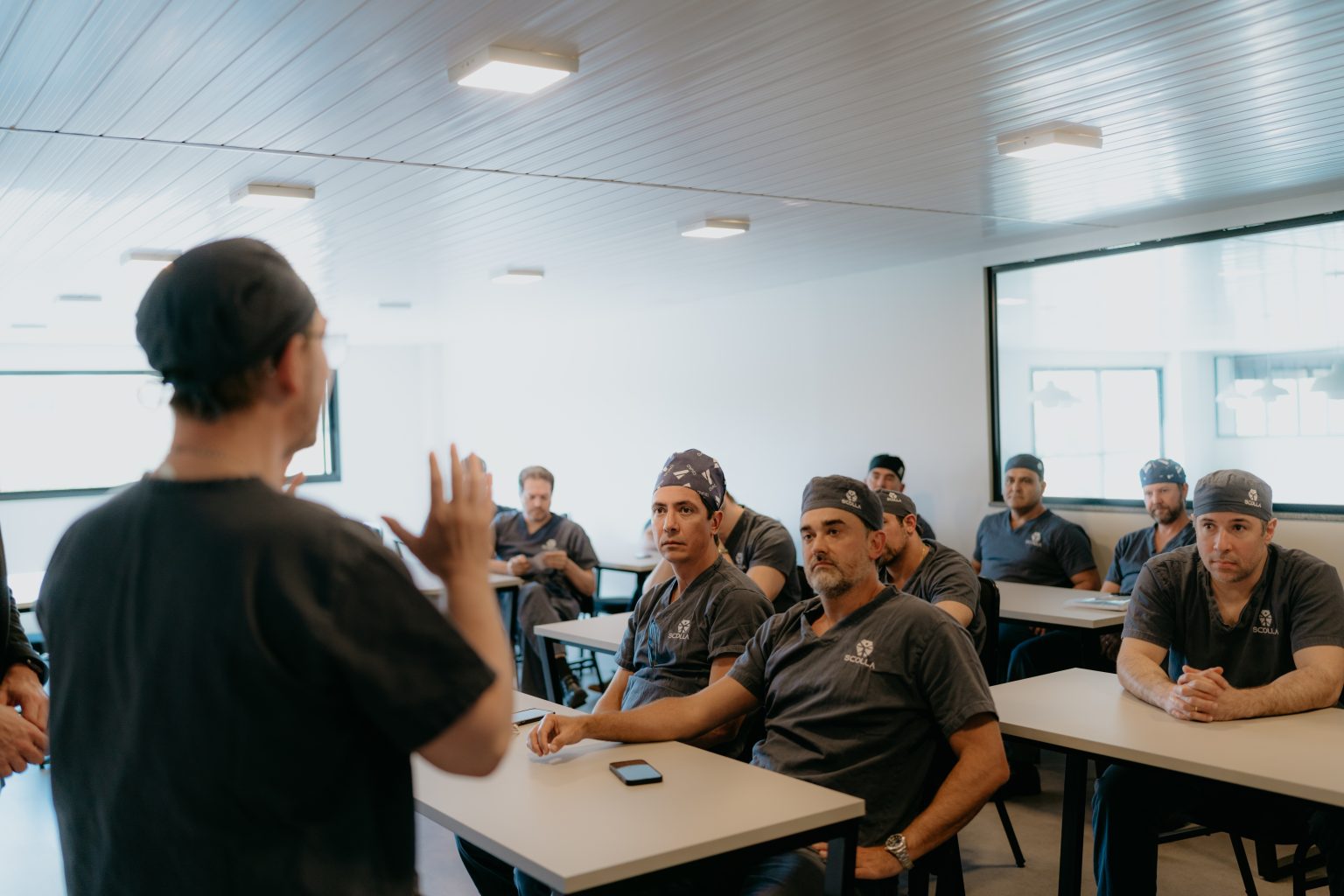
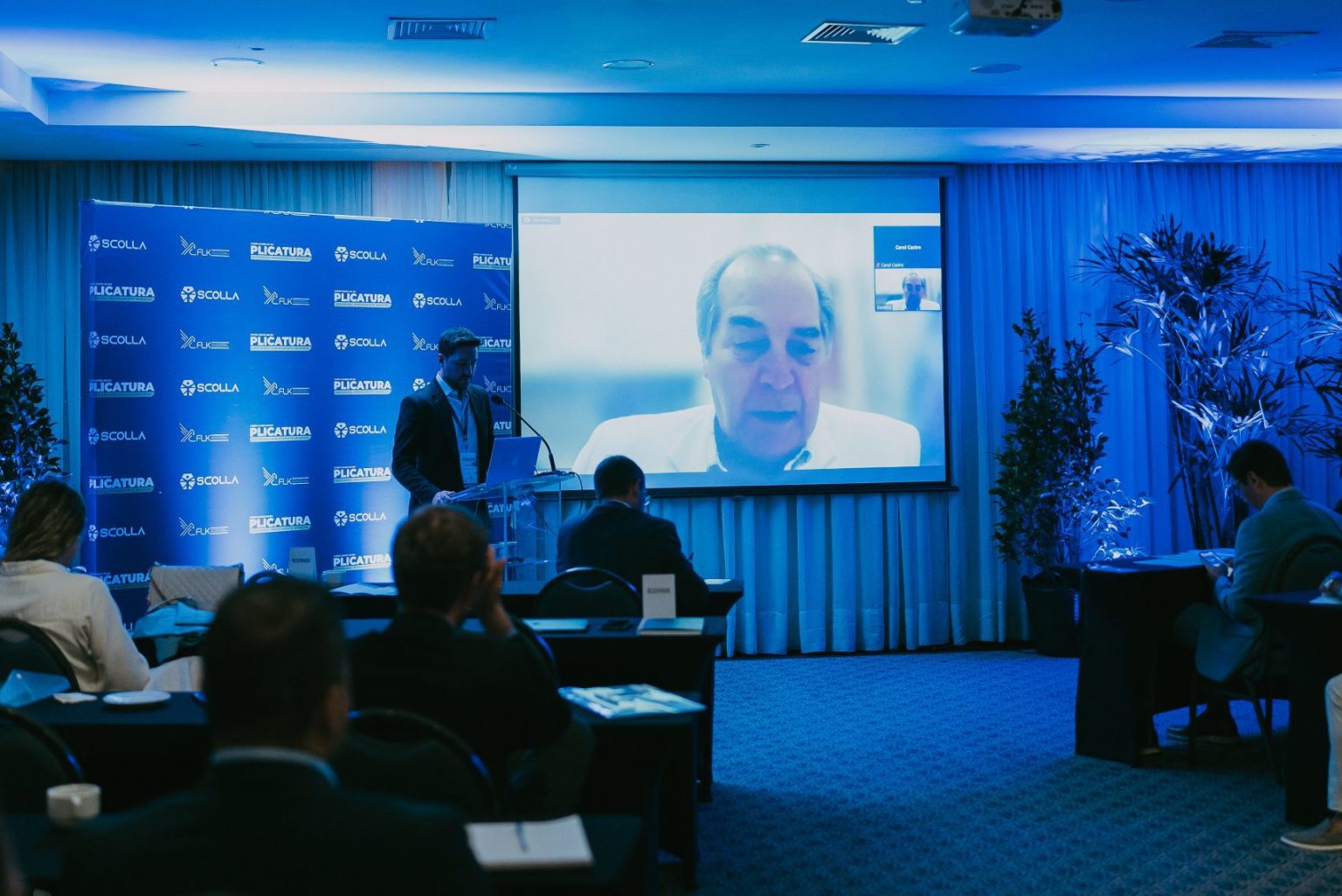
This course was designed to provide the best possible experience and maximum benefit for those interested in enhancing their knowledge of minimally invasive abdominal plication techniques. The course covers the theoretical aspects of abdominal wall pathologies, surgical techniques, perioperative care, and other aspects involved in these procedures. In addition, it features some of the world’s leading experts in these techniques.

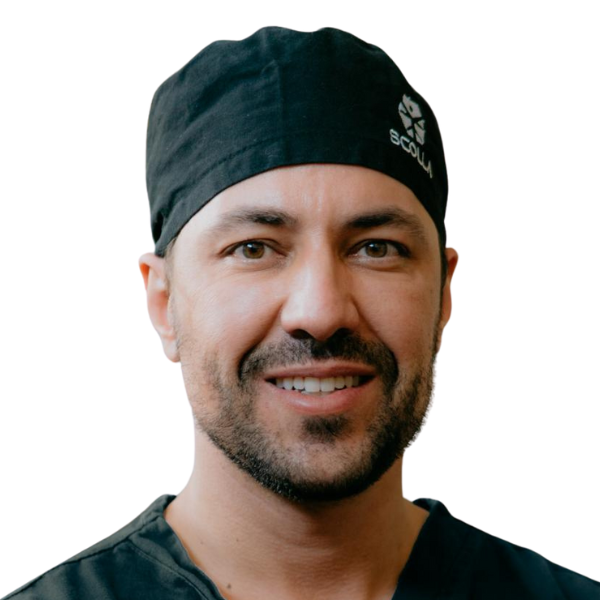
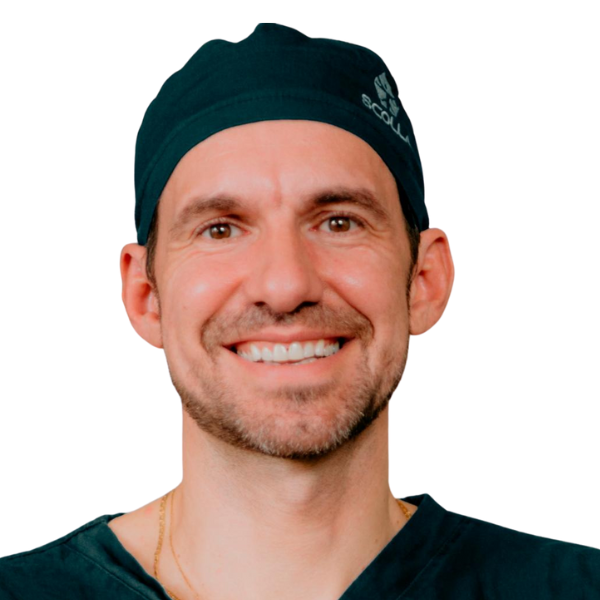
Argentina
Argentina
Singapore
Singapore
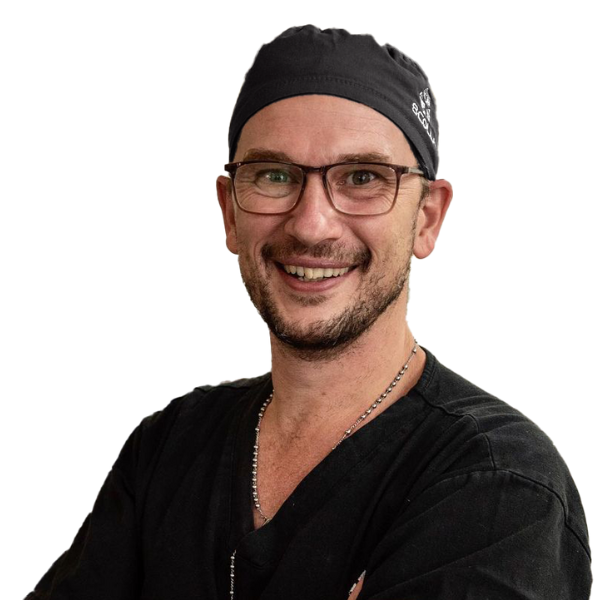
Brazil
Brazil
Brazil
Brazil
Brazil
Brazil
Date: March 5, 2026
Introduction and Course Guidelines
Market Analysis
Access Techniques and Pneumoperitoneum: What Every Surgeon Should Know.
Ergonomics and Videosurgery: How to Operate Better and for Longer?
Rectus Abdominis Diastasis… Just Aesthetic or Much More Than That?
Endoscopic Plication Technique – SCOLA Step-by-Step
Indications and Contraindications for Minimally Invasive Plication
Other MIS Alternatives for Treating DMRA
MILA – Minimally Invasive Lipo Abdominoplasty
Pricing
Secrets of Endoscopic Suturing
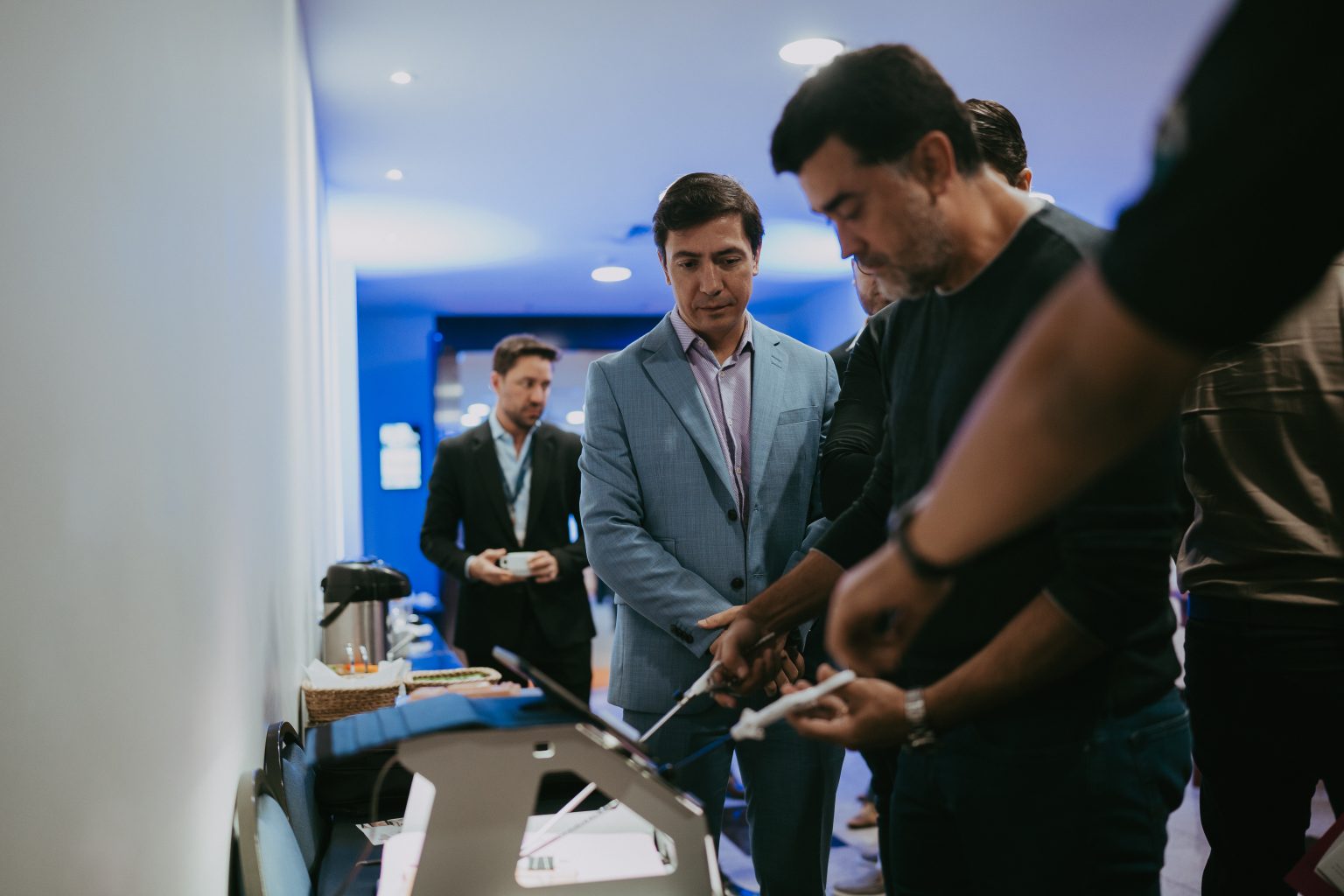
Introduction and Instructions for Hands-On Training on a Live Model
Hands-On Training on an Experimental Model
Realistic Robotic Simulation on a Silicone Model (using a surgical robot in our CT)

Date: March 6, 2026
Advances in Minimally Invasive Abdominoplasty
Mirela – Minimally Invasive Robotic Endoscopic LipoAbdominoplasty
Mila Funcional
LPF in the Pre- and Postoperative Periods
Discussion: Mistakes & Successes on the Learning Curve
Postoperative Management and Guidelines
Use of Ultrasound in MILA
MILA Surgery – Minimally Invasive LipoAbdominoplasty
Robotic Simulator Activities at Nossa Senhora das Graças Hospital
Neuro-Digital Programming and Social Networks
Social Dinner
Date: March 7, 2026
Review of the hands-on training on the experimental model
Training on the experimental model
Closing session and presentation of certificates

Before booking your tickets, please contact our sales department.
WAITING LIST
Sign up for the waiting list for the next class to receive advance notice when registration opens, as well as updates on the schedule, course structure, and admission criteria.