
Skills Development Program in
ROBOTIC UROLOGY
IN-PERSON SESSIONS: DECEMBER 12 AND 13, 2026
INTRODUCTION
Robotics is already an integral part of the evolution of modern urology. In a specialty characterized by delicate procedures, complex reconstructions, and the need for precision, preparing to work with this technology is a strategic step in a surgeon’s career.
At Scolla, training takes place in an environment designed to combine theory, simulation, and surgical practice. With a simulator and a surgical robot located right inside the training center, participants receive a more comprehensive and hands-on training experience that closely mirrors the reality of robotic surgery.
During the program, the physician covers the essential stages of robotics in urology, including console-based training, bedside training, simulation, and animal laboratory practice, with a focus on technical development, surgical safety, and the application of the technology in various contexts of urological practice.
What You'll Find
SCHEDULE AND FORMAT
Academic Schedule — Distance Learning Classes
The six distance learning classes were designed with a strong focus on clinical applicability: no excessive theory, no unnecessary academic jargon. Each class lasts 1 hour and follows a logical progression from reproducible fundamentals to the tips and tricks that make a difference in the operating room. Students must watch these classes before the in-person session—they serve as direct preparation for the hands-on exercises at the stations.
Lesson 1 • 1 hour
The EDGE Medical Platform: Setup, Ergonomics, and First Steps
System components and operating logic; robot setup and positioning; console ergonomics; practical differences between EDGE and DaVinci; instrument and camera configuration; tips and tricks for the first cases.
Lesson 2 • 1 hour
RARP in Practice: From Position to First Node
Positioning and Trendelenburg; trocars and docking; robotic anatomy of the pelvis; neurovascular preservation; vesicourethral anastomosis; pitfalls in early cases and how to avoid them.
Lesson 3 • 1 hour
Robotic Partial Nephrectomy: From Planning to Hemostasis
Preoperative planning; positioning and trocars; dissection and control of the hilum; layered resection and reconstruction; warm ischemia; when to convert, ask for help, or stop.
Lesson 4 • 1 hour
Robotic Pyeloplasty: The Most Reproducible Procedure
Anatomy of the JUP and its variants; transperitoneal vs. retroperitoneal approach; robotic Anderson-Hynes procedure; stent placement; anastomosis suturing; how to train before your first real case.
Lesson 5 • 1 hour
Distal Ureter and Bladder: Practical Everyday Cases
Indications and planning; robotic ureteral reimplantation; psoas hitch; Boari flap; robotic partial cystectomy; selecting the ideal case for beginners.
Lesson 6 • 1 hour
From the First Referral to the First Case
Learning curve in RARP and NSS; team building; selecting the first case; performance metrics; pitfalls of the first 50 cases; proctoring, certification, and fellowship.
In-Person Schedule — December 12 and 13
In-person instruction is at the heart of the immersion program. With a total of 10 to 12 students, the class is divided into three stations that operate in parallel, with rotations every 50 minutes. The goal is for everyone to go through all the stations over the course of the two days, ensuring hands-on time at the console, at the bedside, and during guided case discussions.
Training Stations
Simbionix Simulators
Each student uses a simulator individually. Basic skills exercises and procedural tasks, with module-based progression according to skill level.
EDGE Medical Platform
1 student at the console and 2–3 students at the bedside, rotating among console duties, assisting, observing anatomy, and changing instruments.
Case Discussion Room
Analysis of real clinical cases, surgical videos, CT scans, intraoperative decisions, and technical pitfalls in an interactive format.
Rotation Logic
With 12 students and 3 stations set up in parallel, each round divides the class into: 2 students at the simulators, 4 on the EDGE platform, and 6 in the discussion room. The stations rotate every 50 minutes. Over the course of the two days, all students go through every station.
Day 1 — December 12 (Saturday)
| Schedule | Activity |
|---|---|
| 7:30 a.m. – 8:00 a.m. | Registration and Welcome Coffee |
| 8:00 a.m. – 8:30 a.m. | In-person opening: presentation of the program, the team, and the rules for each station |
| 8:30 a.m. – 9:20 a.m. | Round 1 — Parallel Stations (Simbionix / EDGE Medical / Case Discussions: RARP and Indications) |
| 9:20 a.m. – 10:10 a.m. | Round 2 — Station Rotation |
| 10:10 a.m. – 10:30 a.m. | Interval |
| 10:30 a.m. – 11:20 a.m. | Round 3 — Station rotation (everyone goes through the 3rd station) |
| 11:20 a.m. – 12:00 p.m. | Plenary session: questions, cases of the day, reflections on the morning |
| 12:00 p.m. – 1:30 p.m. | Lunch |
| 1:30 p.m. – 2:20 p.m. | Round 4 — Parallel Sessions (Focus: Partial Nephrectomy and Pyeloplasty) |
| 2:20 p.m. – 3:10 p.m. | Round 5 — Station Rotation |
| 3:10 p.m. – 3:30 p.m. | Interval |
| 3:30 p.m. – 4:20 p.m. | Round 6 — Station Rotation |
| 4:20 p.m. – 5:00 p.m. | Closing of Day 1: plenary session, case studies of the day, guidelines for the following day |
Day 2 — December 13 (Sunday)
| Schedule | Activity |
|---|---|
| 7:30 a.m. – 8:00 a.m. | Coffee and the Economic Recovery |
| 8:00 a.m. – 8:50 a.m. | Round 7 — Parallel Stations (Focus: Distal Ureter, Psoas Hitch, Boari Flap) |
| 8:50 a.m. – 9:40 a.m. | Round 8 — Station Rotation |
| 9:40 a.m. – 10:00 a.m. | Interval |
| 10:00 a.m. – 10:50 a.m. | Round 9 — Final rotation (everyone completes the 3-station cycle on Day 2) |
| 10:50 a.m. – 11:40 a.m. | Open Session: Students choose the station that interests them most for additional practice |
| 11:40 a.m. – 12:30 p.m. | Closing Session: Final Plenary Session, Next Steps (Certification, Fellowship), Certificate Presentation |
| 12:30 p.m. | Official Closing Ceremony |
FACULTY
Learning guided by experts with extensive practical experience.
Urology Unit

Jaworski
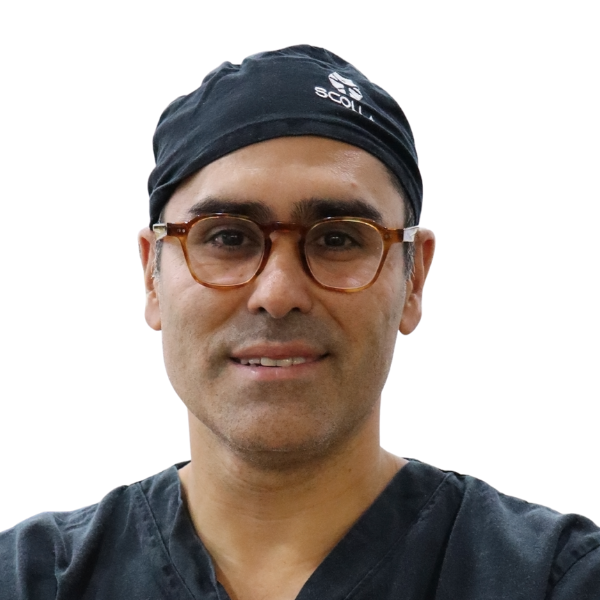
Murata

Coelho
Teachers
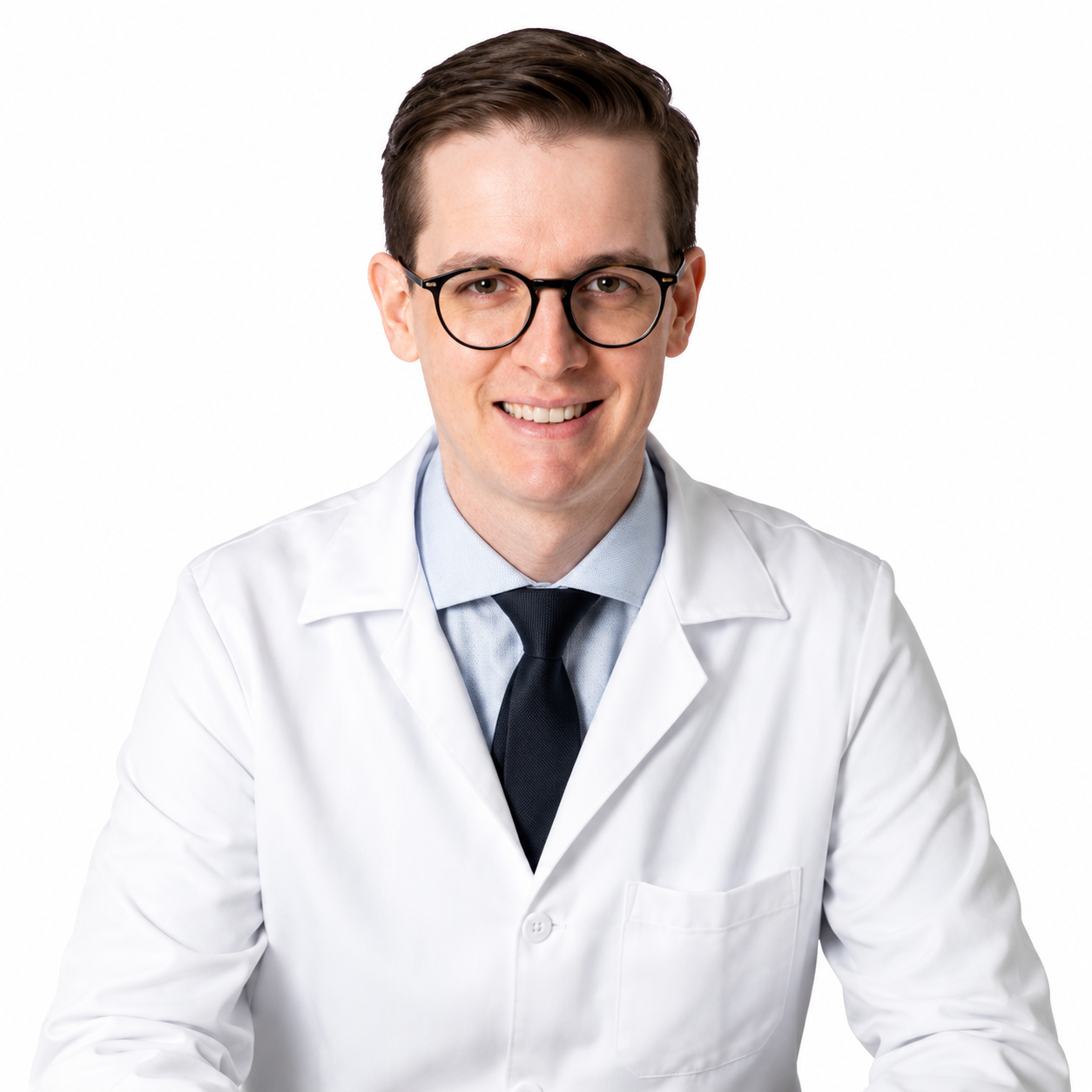
Grohe
OUR COURSE GALLERY
Concept, Practice, & Specialized Training Environment


INVESTMENT
Secure your spot in the next session of the development program.
Select your sport
Complete Combo
Training for Certification in Robotic Surgery + Continuing Medical Education (CME) in Robotic Urology
For physicians seeking a full-time program that combines certification training with technical skills development applied to urological surgery.
- 30 hours of online theory classes + 30 hours of recorded surgeries with commentary
- 20 hours of simulation on a robotic simulator at Scolla
- In-person training at Scolla in Campo Largo, Paraná
- Postgraduate Course in Robotic Urology with a total course load of 20 hours
- Practical Sessions in the Animal Lab with the MP1000 Robot - Edge Medical
Urology PDH
Skill Development Focused on Robotic Urological Surgery
For physicians who wish to further their expertise in robotic urological surgery using a minimally invasive approach.
- Course focused on urological surgery with a total course load of 20 hours
- Training focused on the development of surgical skills
- Animal-lab practice focused on precision and surgical strategy
- Experience in simulation and advanced training environments
- Recommended for those seeking to advance their technical skills in urological surgery
Official Training Center

Accredited Training Center

Registration Form
An Achievement

- Master's Degree in Surgical Clinical Practice, Professor of Urology—Mackenzie Evangelical University of Paraná.
- Urologist with expertise in laparoscopy, robotic surgery, and kidney transplantation.
- Bachelor of Medicine from the Federal University of Paraná (2006).
- Medical Residency in General Surgery at Mario Gatti Hospital in Campinas (2009–10) and in Urology at the Evangelical University Hospital of Curitiba (2011–13).
- Research and Clinical Fellow in Urology at Denver Health Medical Center in Denver, Colorado, United States (2014).
- Master's Degree in Surgical Medicine - Graduate Program in Surgical Medicine - HC-UFPR.
- MBA - Management with an Emphasis on Leadership and Innovation - Getúlio Vargas Foundation.
- General Urology, Endourology, Reconstructive Urology, Urological Laparoscopy, Kidney Transplantation.
- He earned his medical degree from the Evangelical Medical School of Paraná.
- Medical residency in General Surgery at the UFPR Clinical Hospital.
- Urology residency at the Evangelical University Hospital of Curitiba.
- Observership in Reconstructive Urethral Surgery at the Center for Urethral and Genital Surgery under the supervision of Prof. Dr. Enzo Palminteri.
- Certificate of Training in Robotic Surgery at AdventHealth – U.S.
- Instructor in the Urology Residency Program at Mackenzie Evangelical Hospital.
- Member of the Kidney Transplant Team at Mackenzie Evangelical Hospital and Rocio Hospital.
- Full Member of the Brazilian Society of Urology.
- He earned his medical degree from the School of Medicine at the Federal University of Espírito Santo.
- Medical residency in General Surgery at Heliópolis Hospital (São Paulo, SP).
- Residency in Urology at the Federal University of Paraná.
- Fellowship in Andrology and Male Infertility – H Ellis Institute / ALFA Project.
- Instructor in the Urology Medical Residency Program at the UFPR Hospital de Clínicas.
- Member of the American Urological Association (AUA).
- Member of the Endourological Society.
- Full Member of the Brazilian Society of Urology.
- General Urology, Endourology, Urological Laparoscopy.
- He holds a medical degree from the Federal University of Paraná.
- Residency in General Surgery at the Conceição GHC Hospital Group – Porto Alegre, Rio Grande do Sul.
- Urology Residency at São Lucas Hospital of PUCRS – Porto Alegre – RS.
- Full Member of the Brazilian Society of Urology.
- Member of the International Alliance of Urolithiasis.
- Urologist on the Kidney Transplant Team at Hospital do Rocio in Campo Largo, Paraná.
- Urologist at the Zilda Arns Hospital for the Elderly – Curitiba, Paraná.
- Certification in Robotic Surgery from the Falke Institute.