Currently, we are witnessing a remarkable expansion of minimally invasive procedures, particularly laparoscopic surgeries, which have become the method of choice for most surgical procedures. Patients have favored this type of approach because it offers greater safety and a faster, more comfortable postoperative recovery. In fact, there are government initiatives aimed at implementing this technique in the public health system.
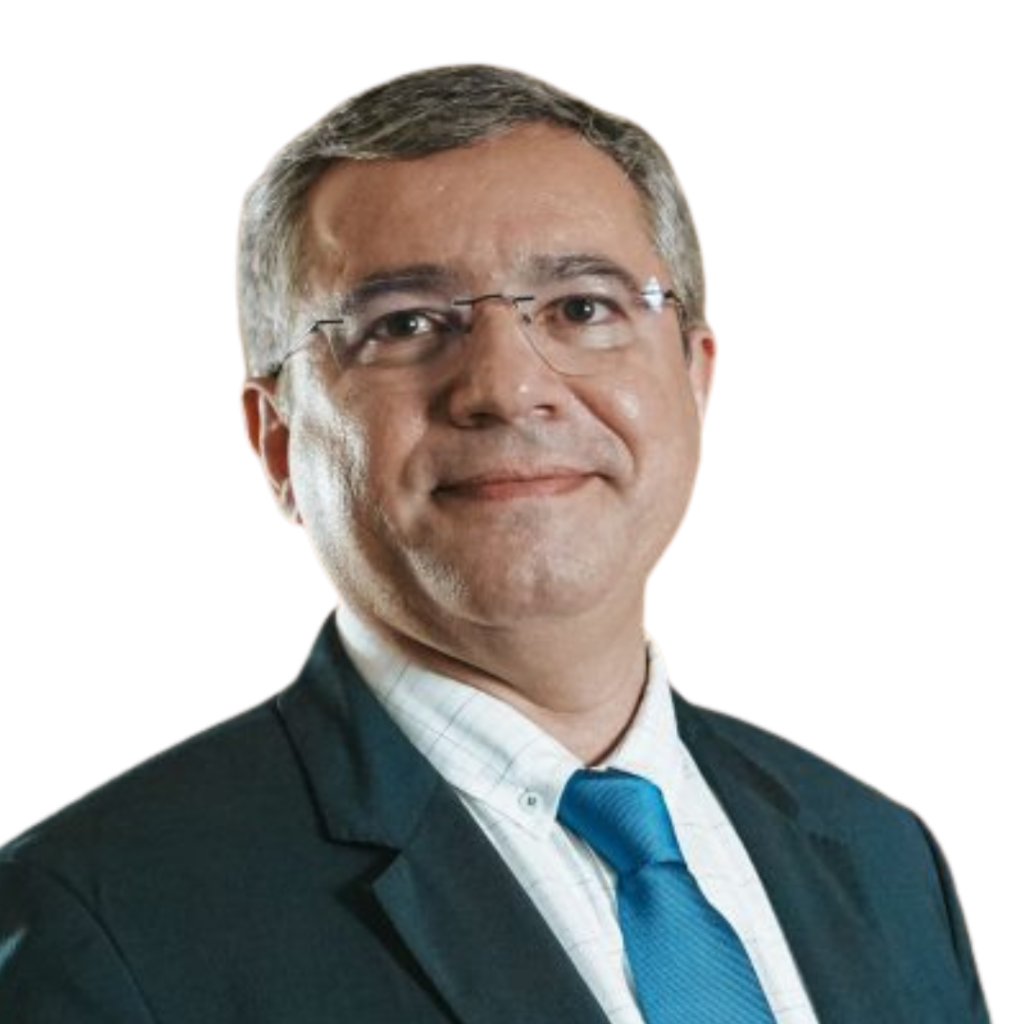
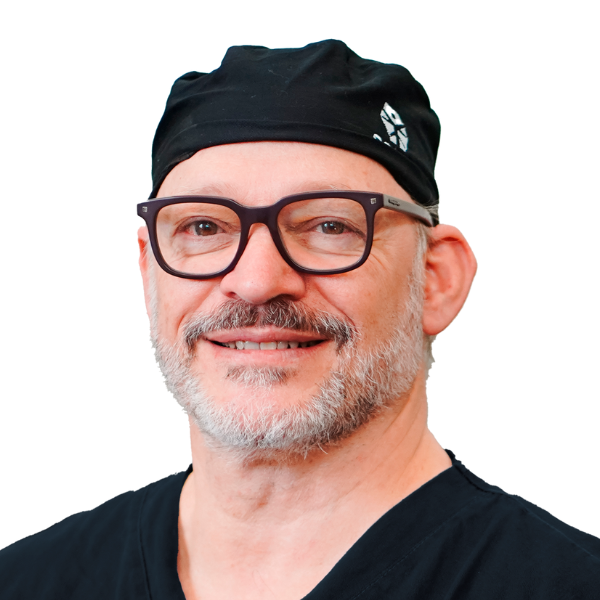
In light of this scenario and the growing demand for specialized training, we—Dr. Mario Ghefter, Dr. Petrúcio Sarmento, and Dr. Paulo Boscardim—together with David Medical and Scolla, have joined forces to create a short-term course with a more immersive format, designed to provide in-depth training in minimally invasive approaches to the chest.
The 4th Edition of the Immersion Course in Minimally Invasive Thoracic Surgery will cover the main trends and innovations in the field, combining high-quality content with extensive hands-on training, including live surgeries and online lectures.
We will begin the program with virtual sessions over three evenings, during which we will cover technical and practical aspects with the support of experienced surgeons who are committed to teaching.
We will have a special day dedicated to demonstrating minimally invasive procedures—using videosurgery and robotic surgery—allowing students to experience, in real time, the challenges and approaches involved in each technique.
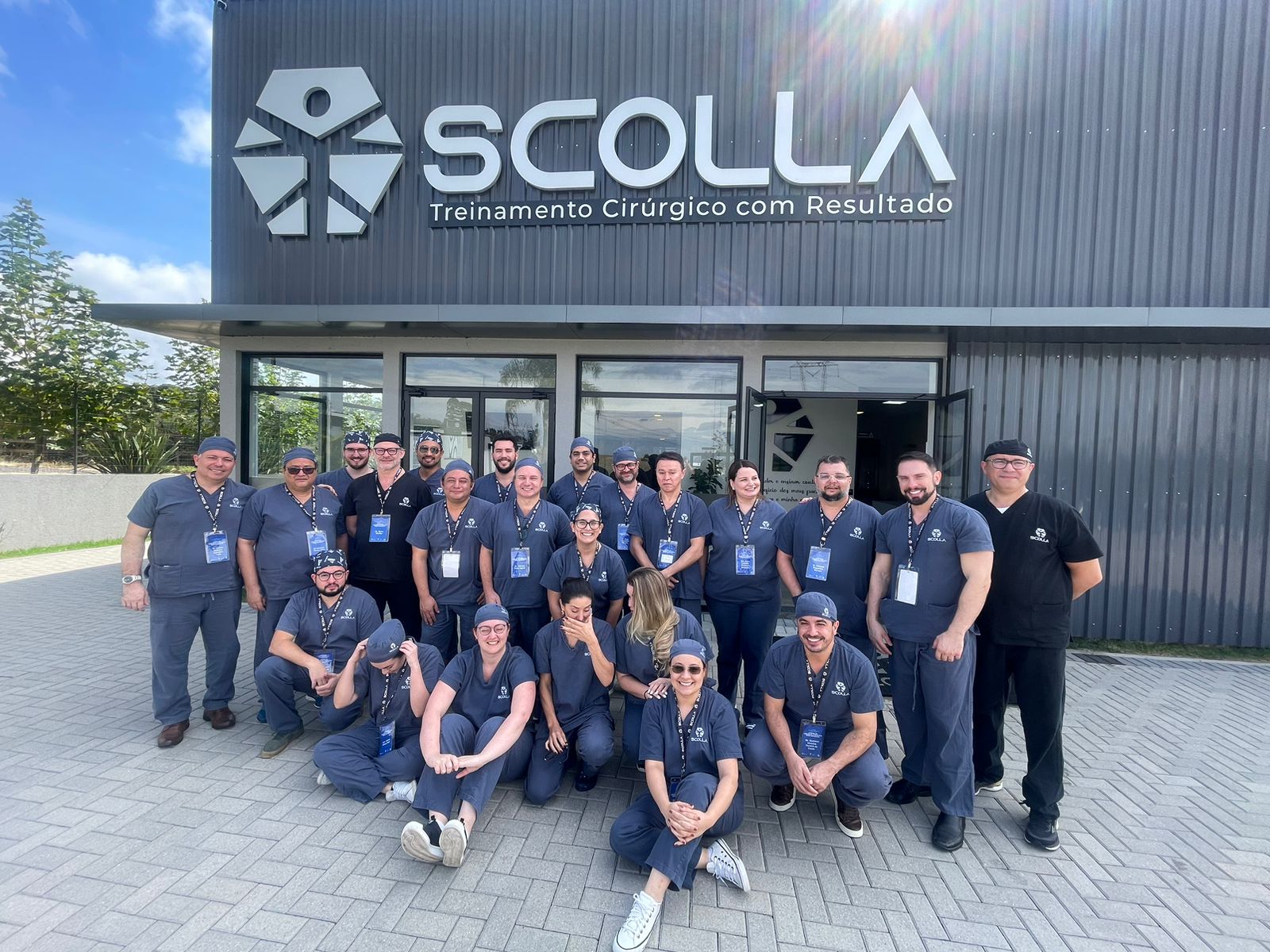
And to top it all off, during the last two days of the course, we will hold hands-on sessions in Scolla’s experimental operating room, featuring training on highly advanced models, such as heart-lung units with dyes and live models specially prepared for training in lung resections.
It will be a unique opportunity to experience a new way of developing surgical skills: by learning, teaching, and sharing.
This course was designed specifically for you, a thoracic surgeon—whether a beginner or an experienced practitioner—who is looking to improve your skills in the field of minimally invasive surgery, gaining the confidence and mastery needed to explore the full potential this technique has to offer.
Brazil
Brazil
Brazil
Brazil
Brazil
Brazil
Teacher
Teacher
Teacher
Teacher
The course offers a combination of theory and practice, with the goal of providing participants with a comprehensive understanding of the operation and components of the technological platform used in minimally invasive surgeries.
The theoretical portion will be conducted through live online classes, during which the main technical aspects and specific features of the various minimally invasive approaches to the chest will be discussed, with a focus on practical content applicable to routine surgical practice.
The live surgeries will be broadcast directly from a Scolla partner hospital, allowing participants to follow, in real time, procedures performed via videosurgery and robotic surgery, observing the technical decisions, approaches, and resources used.
The in-person hands-on session will take place in Scolla’s experimental operating room, featuring practical simulations using specific models, such as heart-lung units with dyes and live models specially developed for training in lung resections.
The entire training process will be supervised by preceptor surgeons with extensive experience and technical expertise in the field, ensuring a guided, safe, and highly qualified learning environment.
Participation in the course includes involvement in all phases: theoretical modules, case discussions, live surgeries, and hands-on practical activities.
one week long
10 hours of classroom instruction
10 hours of live surgeries
20 hours of hands-on practice
7:00 p.m. – 7:20 p.m. | Preoperative Planning for Lobectomies and Segmentectomies – Dr. Daniel Bonomi
7:20 PM – 7:30 PM | Case discussion
7:30 PM – 7:50 PM | Applied surgical anatomy and critical anatomical variations – Dr. Mario Ghefter
7:50 PM – 8:00 PM | Case discussion
8:00 PM – 8:20 PM | Hilar Access Strategies and Vascular Control – Marcel Sandrini 8:20 PM – 8:30 PM | Case Discussion
Advanced Technical Execution and Decision Making
7:00 PM – 7:20 PM | VATS Lobectomies: Technical Standardization - Petrúcio Sarmento
7:20 PM – 7:30 PM | Case Discussion
7:30 PM – 7:50 PM | Anatomical Segmentectomies: Indications, Technique, and Oncological Limitations - Dr. Paulo Boscardim
7:50 PM – 8:00 PM | Case discussion
8:00 PM – 8:20 PM | Intraoperative complications and conversion criteria – Dr. Petrúcio Sarmento
8:20 PM – 8:30 PM | Case discussion
8:00 a.m. – 6:00 p.m. | Live surgeries at Nossa Senhora das Graças Hospital
Coordinated by: Dr. Paulo Boscardim
The schedule for live surgeries is subject to change, depending on availability and the emergence of clinical cases that fit the educational profile of the course. There will be a live broadcast to the lecture hall, with the option for small groups to visit the operating room.
Any adjustments may involve the type of procedure, the order of the surgeries, or the substitution of cases, always in accordance with the principles of patient safety, medical ethics, and the educational objectives of the training.
Regardless of these variations, every effort will be made to ensure that representative procedures involving minimally invasive lobectomies and/or segmentectomies are performed, guaranteeing the technical, didactic, and scientific quality of the proposed activity.
8:00 a.m. – 5:00 p.m. | Technical fundamentals and hilar dissection
Coordinators: Dr. Mario Ghefter and Dr. Petrúcio Sarmento
Students will perform endosuturing on simulators, with a focus on bronchial suturing, and hilar dissection on unprepared porcine blocks to practice their skills and improve their anatomical recognition.
Next, they will perform lobectomies and anatomical segmentectomies on prepared specimens, with an emphasis on identifying structures and using mechanical sutures and advanced energy devices, under direct supervision.
Morning:
Afternoon:
8:00 a.m. – 5:00 p.m. | Complete performance of segmentectomies in an animal laboratory model
Coordinator: Dr. Mario Ghefter
During the live animal model training, students will work in pairs, with each pair responsible for performing the procedures. Each participant will perform an anatomical segmentectomy, including a cranial segmentectomy of the cranial lobe (equivalent to a culminectomy in humans) and a caudal segmentectomy of the caudal lobe (equivalent to an apical segmentectomy of the inferior lobe in humans).
This activity will allow students to practice anatomical identification, vascular and bronchial dissection, and the step-by-step performance of lung resection in a controlled and supervised environment.
Training on Robotics Simulators
Coordinator: Dr. Petrúcio Sarmento
In the robotic surgery simulator, students will have the opportunity to participate in a guided session, learning or reviewing the basic principles of the robotic system, console positioning, the use of controls, and movement coordination. The training will enable participants to develop an initial understanding of bimanual coordination, camera control, and precision, as well as to grasp the fundamentals of robotic surgery, serving as a solid foundation for future stages of hands-on training.

Applicants must hold a medical degree and have completed or be currently pursuing a residency in general surgery and/or thoracic surgery
Before booking your tickets, please contact our sales department.
This is a course sponsored by David Medical.
To register, follow the step-by-step instructions in the announcement
Apply for the selection process