









GRADUATE PROGRAM IN

MINIMALLY INVASIVE AND ROBOTIC CARDIOVASCULAR SURGERY

2026

The Video-Assisted Minimally Invasive Cardiac Surgery (MICS–VACS) course has a long history; the technique has been performed since the mid-1990s and was developed to avoid complete sternotomy and reduce trauma and pain in the immediate postoperative period. Compared to the conventional surgical approach, standardized techniques for minimally invasive cardiac surgery have shown growing evidence of similar or better outcomes (MORAZ et al., 2015).

The literature reports that the MICS technique offers the following advantages: less pain; early mobilization; less blood loss; shorter duration of mechanical ventilation (MV); shorter ICU and hospital stays; lower risk of infection; earlier recovery and return to daily activities; better cosmetic results; less trauma during reoperations; and better visualization. The disadvantages noted were: more stringent criteria for patient selection; the need for training and expertise; risk of vascular complications; and risk of phrenic nerve injury (EL-BOGHDADLY, CHIN, CHAN, 2017).

In this regard, the training of surgeons has been supervised for only a short time, and there is still no standardization of resources or minimum course load for the training and qualification processes of professionals in this field. There are cases in which the results are questionable in terms of complications and morbidity, and studies cast doubt on the steepness of the learning curve (STEFANIDIS, 2010).

The practice of cardiovascular surgery involves situations inherent to the specialty, including training in inducing cardiac arrest and myocardial preservation, mastery of assisted circulation and cardiocirculatory support, central vascular access for the placement of perfusion cannulas, and control of perfusion to vital organs (brain, kidneys, viscera), encompassing concepts and specific training in circulatory and respiratory physiology, endovascular techniques, and vascular surgery, in addition to the obvious prior training in the correction of heart diseases in general. We must also develop the knowledge and skills necessary for the use of endoscopic and videosurgical techniques that were not previously part of the conventional training of cardiovascular surgeons.

It is necessary to make training in minimally invasive cardiovascular surgery available and to improve it so that more surgeons in Brazil have access to these platforms and are better qualified to incorporate these new technologies.

Although it does not benefit most patients, its use in the most complex cases is expected to yield significant benefits. It should be noted that minimally invasive cardiovascular surgery will continue to evolve significantly, and its benefits are expected to continue growing as professionals, institutions, and patients gain access to the technology, enabling further studies of the techniques and analysis of their positive and negative impacts.

In this regard, it will be possible to implement a communication and information system that promotes self-development and strengthens the social commitment of healthcare workers; to encourage and value teamwork and participation in continuing education programs; and to promote the “Ambiência”—understood as the physical, social, professional, and interpersonal environment—which must be aligned with a healthcare model focused on providing welcoming, effective, and humane care.

Lato Sensu program accredited by the Ministry of Education (MEC)

It consists of 8 modules. Total course load: 360 hours

Online lectures, in-person live surgeries, and in-person hands-on practical sessions

Hands-on training using live models and simulators

Mentors who are leaders in their respective fields

An even more comprehensive program, featuring more live surgeries

Practical Training Using Simulators and Robotic Platforms

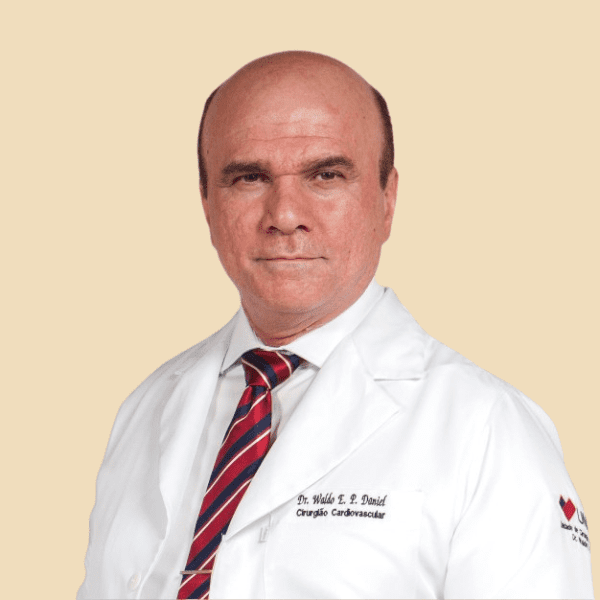
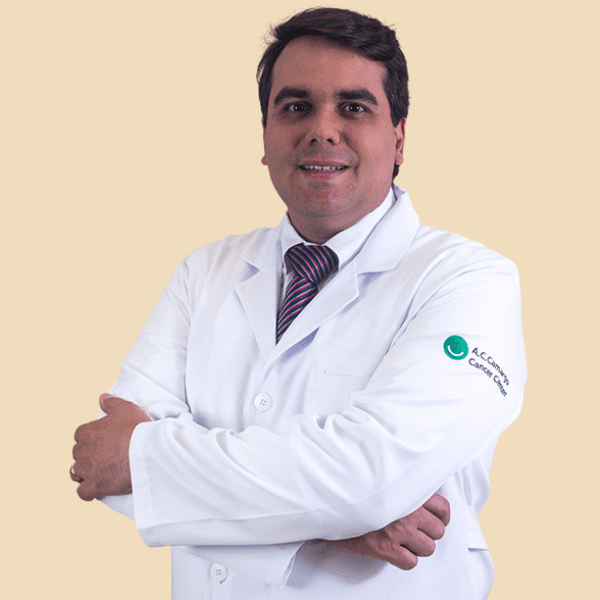
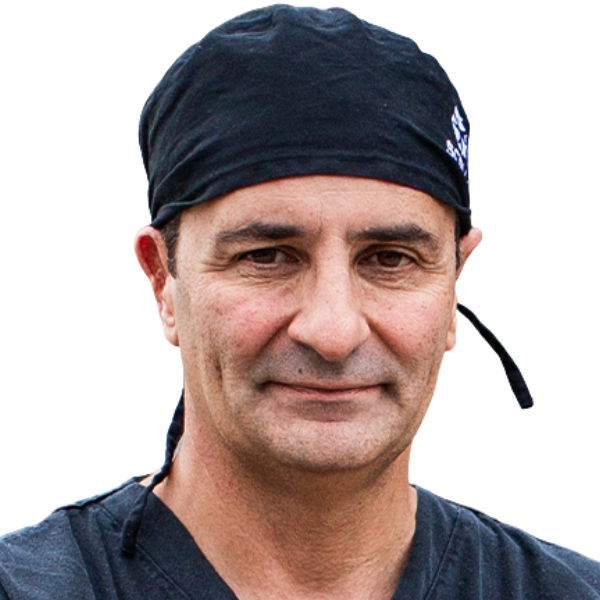
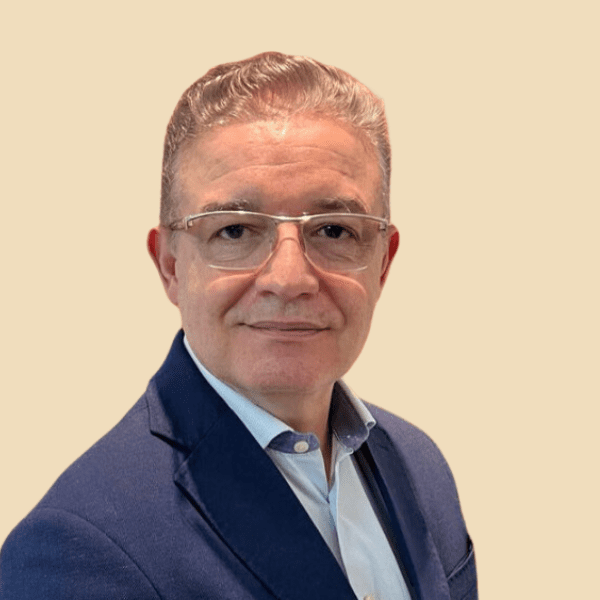
MENTORS

Coordinators

TEACHERS

Concept, Practice & Immersive Environment

Methodology

The training is both theoretical and practical, designed to provide an understanding of the operation and components of the technological platform to be used in surgery.

All in-person training will involve the use of:

– Simulation center and operating room, focusing on routine procedures and problem-solving.

– Supplemental preclinical training that will involve the development of motor skills through simulation of the surgical techniques that are the focus of the training.

– The surgical techniques will also be combined with observation of surgical cases, providing students with hands-on experience as surgical assistants, as well as the opportunity to perform procedures during training and under supervision.

– All of these steps will be supervised by a mentor surgeon with extensive practical experience and well-established expertise in the technical aspects of the training.

Classes will be held as follows:

– Theoretical classes taught by leading professionals in the field, and live surgery demonstrations with discussions of clinical cases.

– Hands-on training using live and inanimate models.

In-Person Module Activity  Day of the Week  Schedule  Type  Daily Rate
(h/a) 
Weekly
(h/a) 
Module  Total 

Course 

Lectures and Interaction with an International Expert  8:00 a.m. to 12:00 p.m. and 5:00 p.m. to 6:00 p.m. In-Person / Online  5 5 5 30
Hands-On Classes  6º  1:00 p.m. to 5:00 p.m. In-person  5 5 5 30
Live Surgeries  Saturday and Sunday 8:00 a.m. to 6:00 p.m.  In-person  10  20 20 120
Entrepreneurship and Medical Career Management Module  Lectures  To Be Determined  to be determined  Online  To Be Determined  To Be Determined  52  52 
Thesis  Dissertation and presentation of case studies Free Free Online Free Free Free 80 
Online Activities Reading Articles, Case Studies, and Mentoring in an Exclusive Group Free  Book Online  Free  Free  Free 48
TOTAL  360 

DYNAMICS

Duration of up to 16 months

Total course load of 360 hours

The program consists of 280 hours of theoretical and practical activities and 80 hours of a final project

6 in-person modules, each with 30 class hours, and 2 online modules

5 class hours of theoretical instruction and interaction with an international expert
5 class hours of hands-on practice
20 class hours of live surgery

Online activities totaling 48 class hours

Divided into: Reading articles, case studies, and exclusive group mentoring sessions between students and professors to discuss surgical cases.

Final Course Project (TCC) with 80 class hours

Lecture and presentation of case studies on MICS.

Entrepreneurship and Medical Career Management

With a course load of 52 class hours, the course is taught entirely online

ACADEMIC SCHEDULE

Module 1: Congenital Heart Disease - February 20–22

+

Dates: February 20–22, 2026

Objectives:
To review the anatomy of the right atrium and the atrial septum via videothoracoscopic access and the indications for cardiac videosurgery; Anatomy of the tricuspid valve and indications for treatment via cardiac videosurgery; Surgical approaches and planning; Presentation of clinical cases and discussion of indications and contraindications; Most common complications and management of high-risk situations in right atrial surgery; Minimally invasive tricuspid valve repair techniques; Introduction to and principles of robotic surgery for congenital heart disease.

Module 2: Mitral and Tricuspid Valves - April 10–12

+

Dates: April 10–12, 2026

Objectives:
To expand the surgical anatomy of the left atrium using a video-assisted thoracoscopic mini-incision approach and the indications for mitral video-assisted cardiac surgery; Anatomy of the mitral valve and indications for treatment via video-assisted cardiac surgery; Access routes and planning for surgical procedures on the left atrium; Presentation of clinical cases and discussion of indications and contraindications for video-assisted mitral valve surgery; Most common complications and solutions for high-risk situations in mitral valve surgery; Specific techniques for minimally invasive mitral valve repair; Introduction and principles of robotic surgery applied to the treatment of the mitral and tricuspid valves.

Module 3: Aortic Valve - June 19–21

+

Dates: June 19–21, 2026

Objectives:
To reevaluate the surgical and radiological anatomy of the ascending aorta and the aortic valve using a minimally invasive video-thoracoscopic approach, as well as the indications for video-assisted aortic cardiac surgery; Anatomy of the aortic valve and indications for treatment via video-assisted cardiac surgery; Approaches and planning for surgical procedures on the aorta and aortic valve; Case presentations—clinical cases and discussion of indications and contraindications for video-assisted aortic surgery; Most common complications and solutions for high-risk situations in aortic valve surgery; Specific minimally invasive aortic valve repair techniques; Introduction and principles of robotic aortic valve surgery.

Module 4: International Symposium — August 28–30

+

Dates: August 28–30, 2026

Objectives:
In this module, we will be offering a unique opportunity to interact with leading international authorities in MICS, who will be on our premises teaching courses on specific surgical techniques available to participants.
In addition, we will host lunches with the specialists, open to all participants—a unique opportunity to network with renowned international colleagues.
The Symposium—in which students will automatically be enrolled—will be the largest minimally invasive cardiac surgery event held in Brazil, covering all current topics in heart valve surgery, coronary artery bypass surgery, and atrial fibrillation surgery, whether performed via video-assisted, endoscopic, or robotic approaches.
We will also feature live surgeries and interactive discussions with all participants.
We hope that these surgical modalities—especially robotic surgery—will point the way toward future improvements for everyone.

Module 5: Cardiac Arrhythmias - October 30 to November 1

+

Dates: October 30–November 1, 2026

Objectives
Introduction to the concepts and minimally invasive techniques used in the treatment of cardiac electrical disorders, covering the possibilities of left ventricular cardiac pacing and, in particular, the minimally invasive treatment approach for atrial fibrillation, including new devices for left atrial appendage isolation and cryoablation techniques; Discussion of the association of these procedures with mitral and tricuspid valve diseases, as well as hybrid treatment in collaboration with the arrhythmia team, surgeon, electrophysiologist, and clinical cardiologist; Introduction to and principles of robotic surgery applied to the treatment of cardiac arrhythmias.

Module 6: Myocardial Revascularization - December 4–6

+

Dates: December 4–6, 2026

Objectives:

Train and develop strategies for the future of surgery; Minimally Invasive Robotic-Assisted Cardiovascular Surgery;
Present scientific papers – Final Course Project (TCC) – optional;
Participate in a fellowship program – optional

Module 7: Entrepreneurship and Medical Career Management

+

This 100% online module is designed to guide medical professionals in their career reflection, with the aim of laying the groundwork for career planning and entrepreneurship through design and planning tools that help structure scenarios and possible outcomes.

Module 8: Final Project

+

Lecture and presentation of case studies on MICS.

GRADUATE PROGRAM IN

MINIMALLY INVASIVE AND ROBOTIC CARDIOVASCULAR SURGERY

APPROVAL CRITERIA

As selection criteria, out of a maximum of 100 points, we will evaluate:

• Registration on or after October 29, 2024 = 5 points
• Payment of the registration fee = 15 points
• Resume (overall achievements in your medical career) = 40 points
• Statement of purpose (potential impact of the program on your career) = 40 points.

Course approval is based on the following criteria and requirements:

• A “B” grade on the overall assessment
• 75% class attendance​

Student Profile

Medical residents with proven experience in cardiovascular surgery

Fully trained cardiovascular surgeons.

HIGHLIGHTS

Mentoring from the leading experts in the field

Practical and intensive training using simulators and live models

Exclusive Theoretical Content

A program focused on sharing scientific experiences with mentors

Realistic simulation in an experimental operating room

Extensive exposure to real-world surgical procedures

Before booking your tickets, please contact our sales department.

HEAR WHAT PEOPLE WHO HAVE TAKEN THE COURSE HAVE TO SAY

WAITLIST FOR CLASS 27:

Sign up for the waitlist for the 6th class (2027) to receive advance notice when registration opens, as well as updates on the schedule, course structure, and admission criteria.

GRADUATE PROGRAM IN

MINIMALLY INVASIVE AND ROBOTIC CARDIOVASCULAR SURGERY

PRODUCED BY:

SUPPORT:

Thank you! We'll be in touch soon.