
Scolla Immersion • Hands-on
Endoscopic Treatment of Obesity
, and Their Complications
Intensive training in intragastric balloon placement, endoscopic sleeve gastrectomy (ESG), management of post-bariatric complications, and treatment of weight regain using advanced endoscopic techniques.
About the Course
General Objective: To train physicians in the indication, performance, and management of the main endoscopic therapies for the treatment of obesity and weight regain, including the recognition and treatment of procedure-related complications.
Specific Objectives: By the end of the course, participants will be able to appropriately select patients for endoscopic therapies, understand indications and contraindications, master the technical aspects of the procedures, manage adverse events and complications, treat weight regain after bariatric surgery, interpret current scientific evidence, and incorporate multidisciplinary treatment protocols.
To ensure the effectiveness and legality of the proposed method, it is essential to follow a rigorous protocol that includes careful evaluation and appropriate patient selection. This requires assembling a specialized multidisciplinary team to provide comprehensive support throughout the treatment. It is essential that this team be well-versed in the main types of balloons available and their specific indications in order to tailor treatment to each patient’s individual needs.
The procedure involves implanting the selected balloon, followed by careful monitoring and ongoing follow-up to identify and treat any complications that may arise. In addition, it is important to be prepared to remove the balloon, if necessary, always in full compliance with legal requirements and with strict adherence to safety standards.
Certifications: We strive to provide a quality education through Scolla certification, as well as MEC certification provided by Univertix University Center, ensuring that all courses offered meet the highest standards of excellence and credibility.
Target Audience and Student Profile
Target audience
- Endoscopists
- Bariatric surgeons
- Gastroenterologists
- Residents and fellows
- Clinicians and multidisciplinary teams
Student Profile
Physicians interested in treating obesity, with expertise in general and gastrointestinal surgery and gastroenterology, and who have prior training in gastrointestinal endoscopy.
Expected Result
By the end of the course, participants will be able to identify, perform, and safely manage the main endoscopic therapies for obesity and weight regain, ranging from primary procedures to revision strategies and the management of complications.
Course Highlights
Mentoring from the leading experts in the field
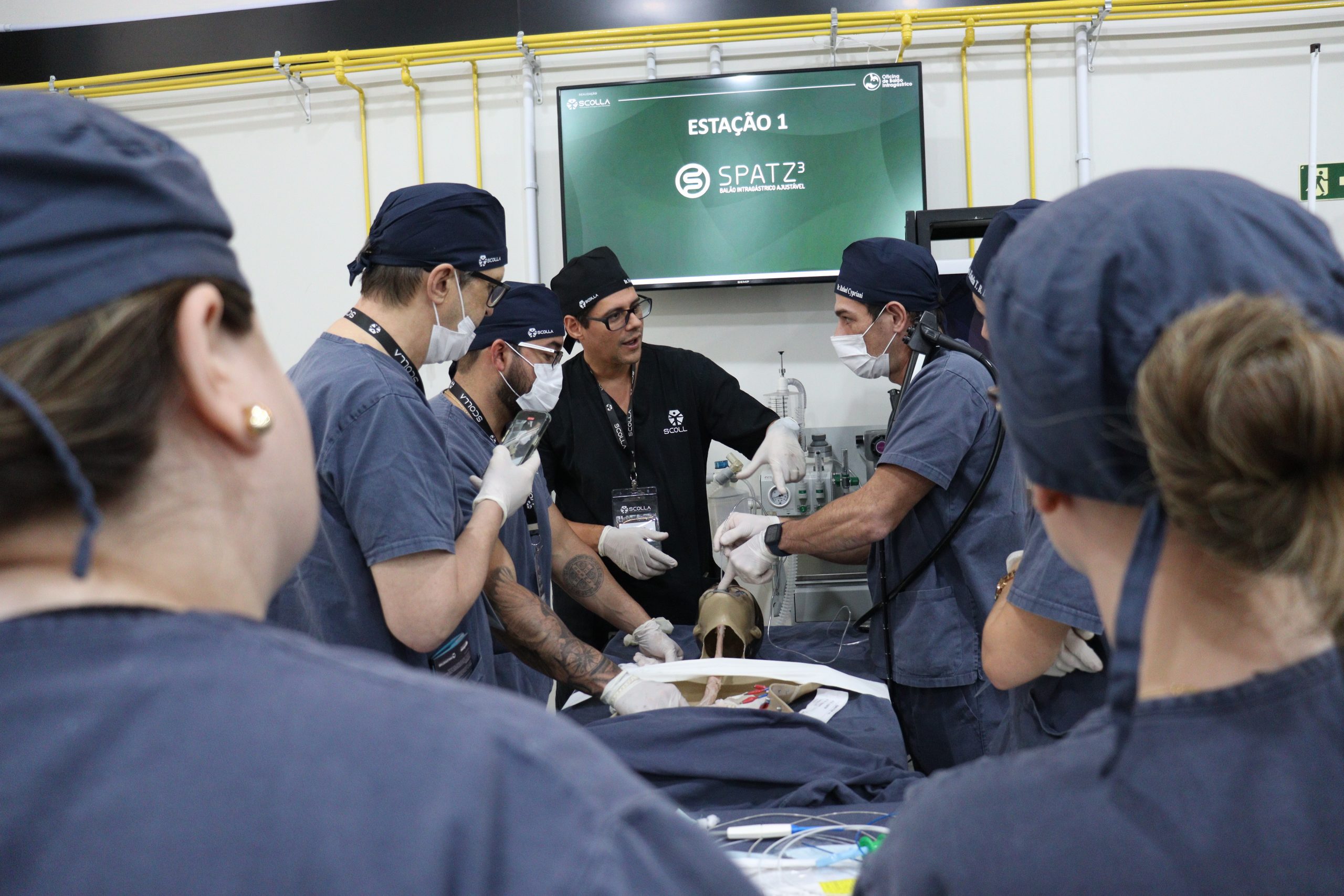
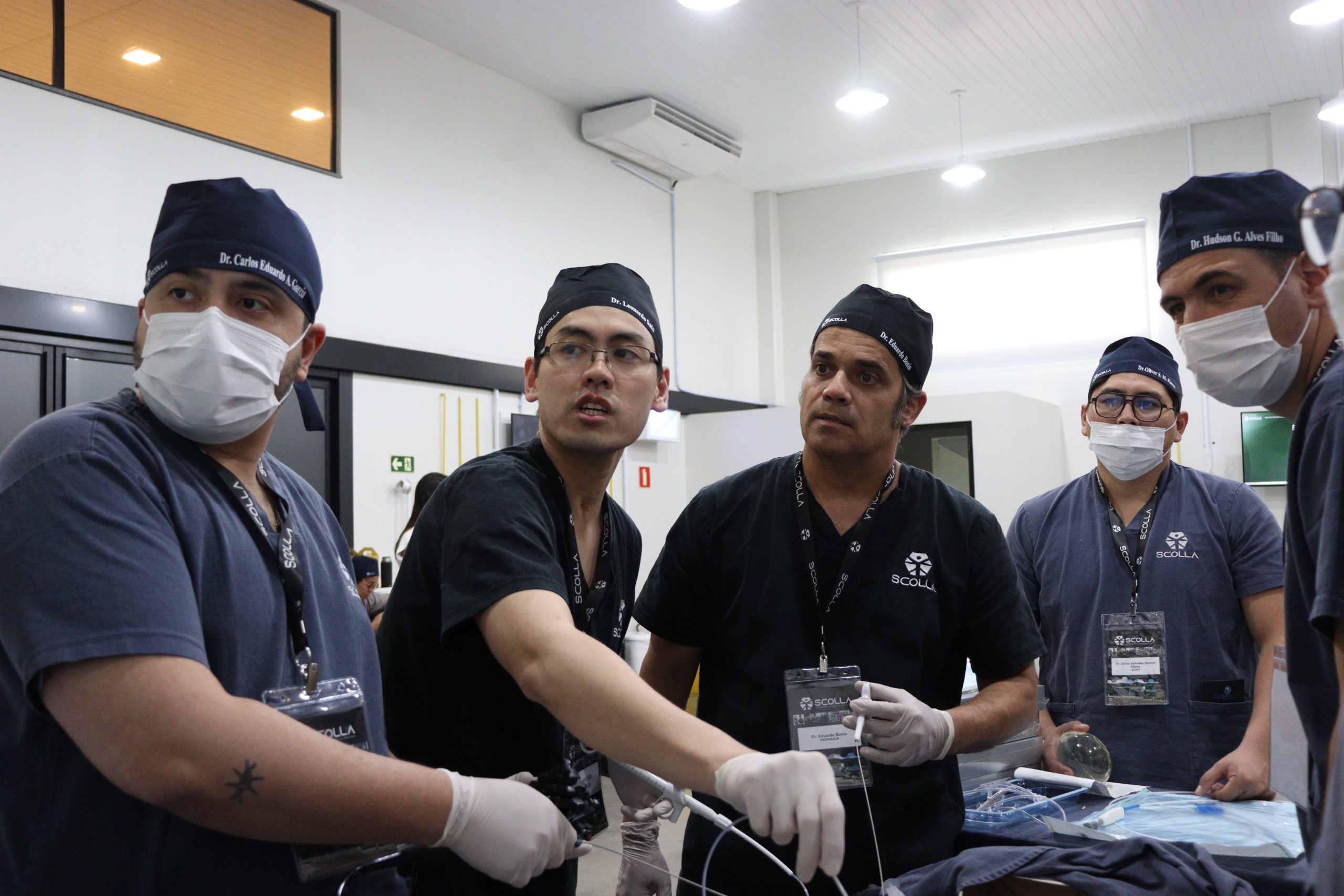
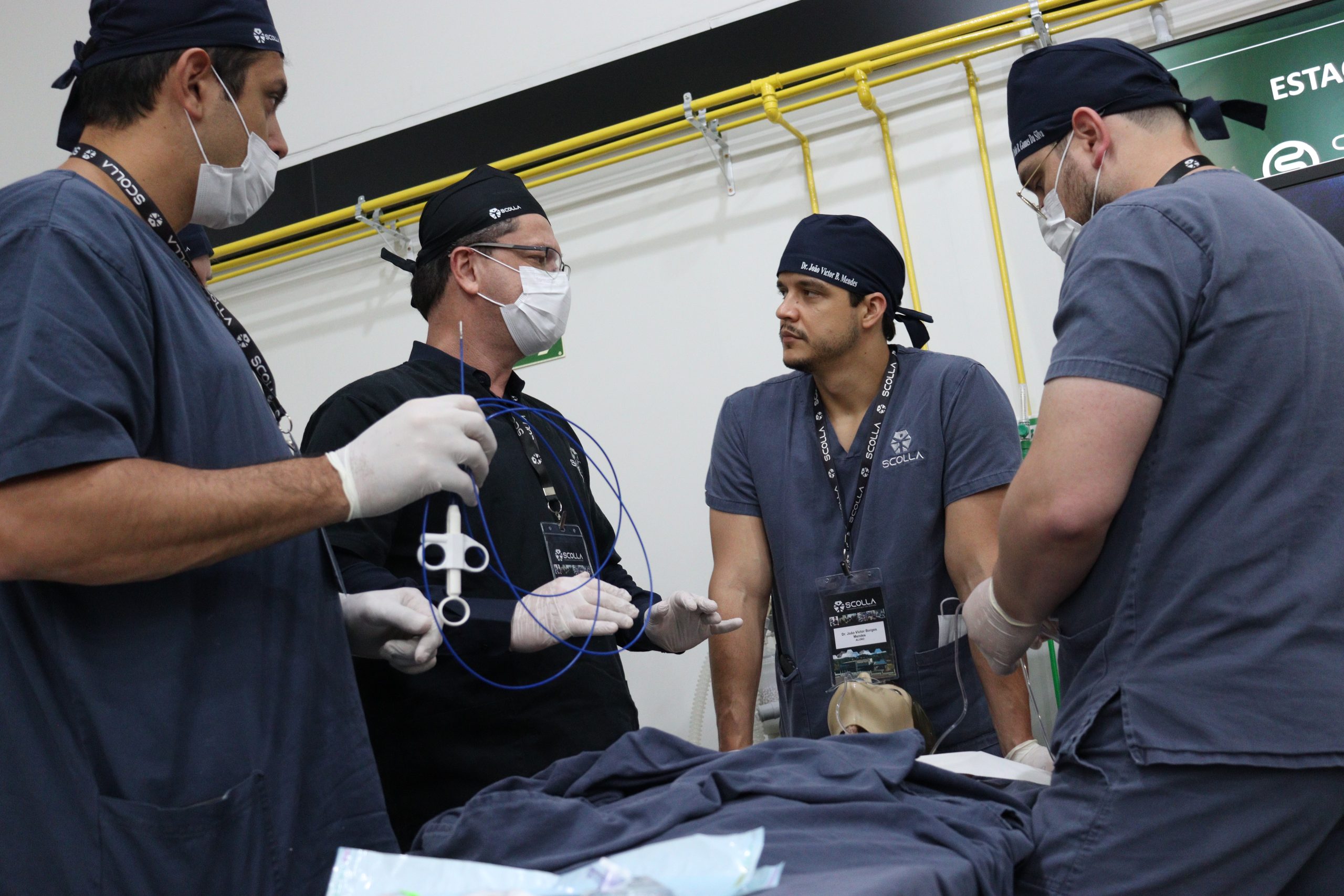
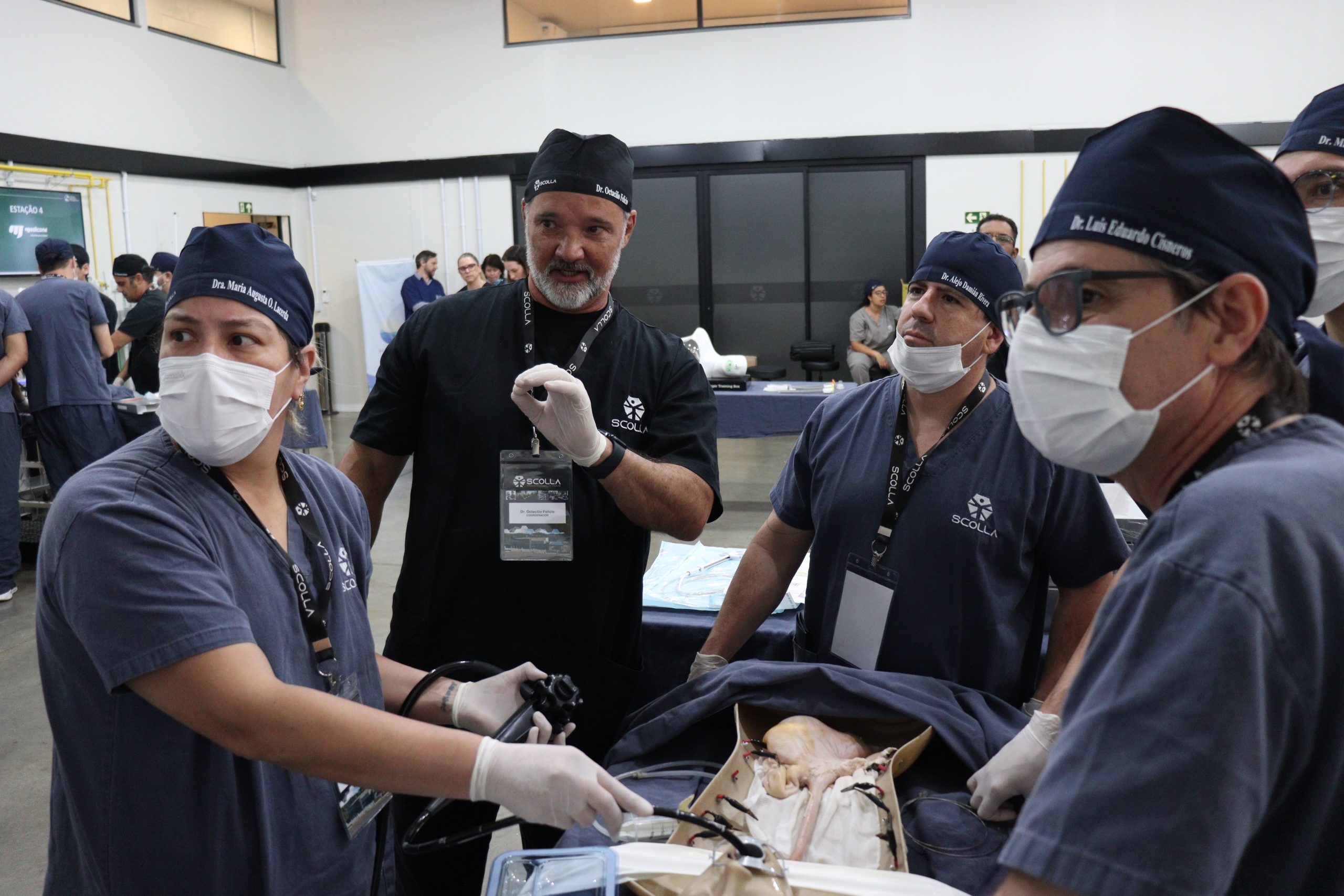
Hands-on training using ex vivo models
Exclusive Theoretical Content
A program focused on sharing scientific experiences with mentors
Realistic simulation in an experimental operating room
Extensive exposure to real-world surgical procedures
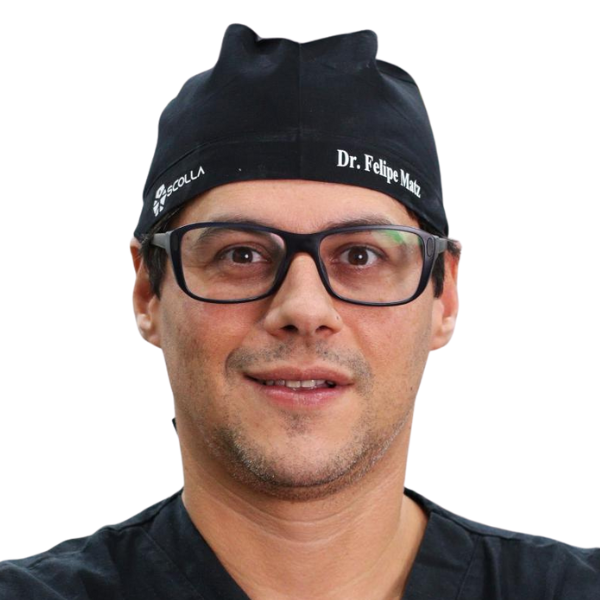
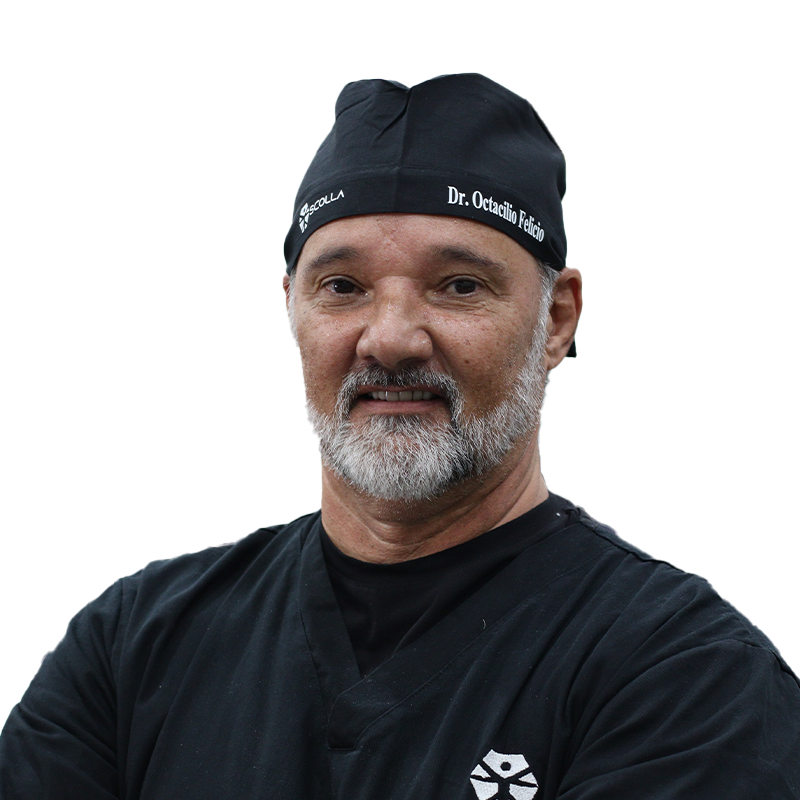
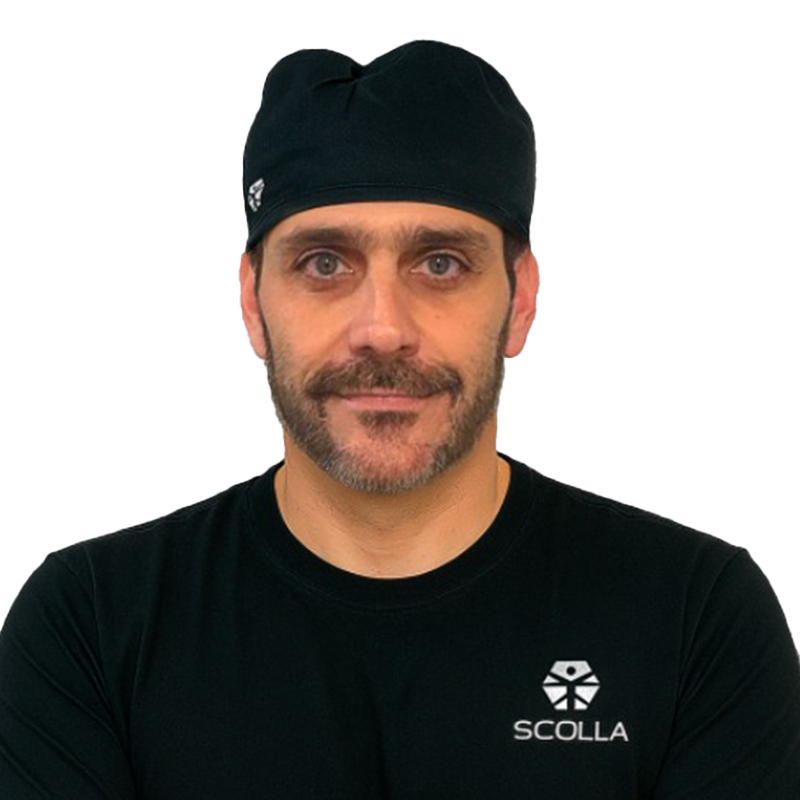
Coordinators
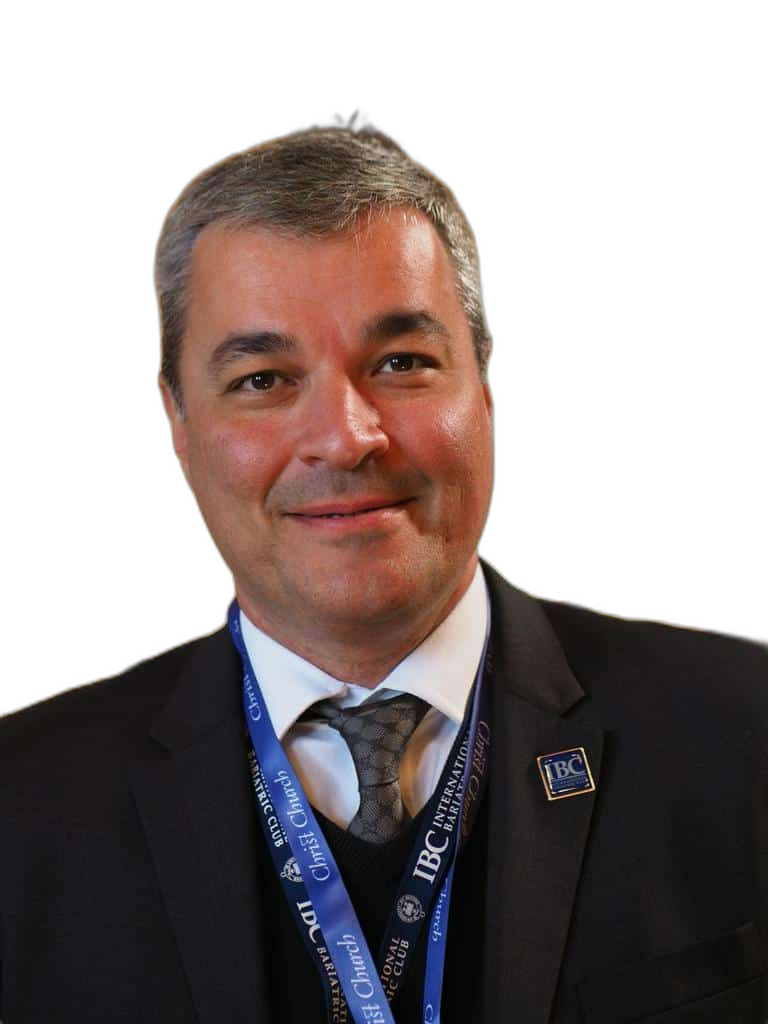
Faculty and Guests

Concept, Practice & Immersive Environment
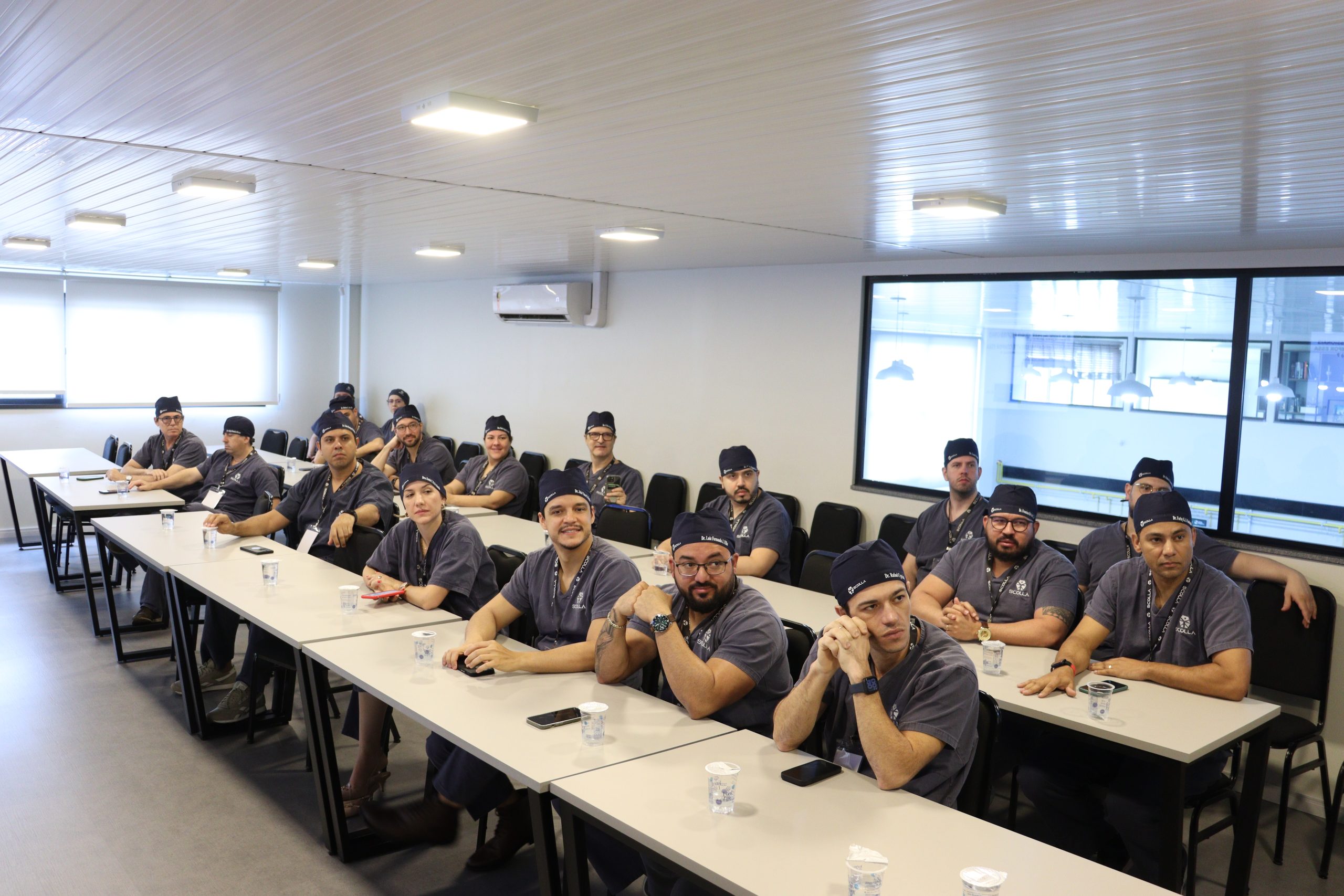
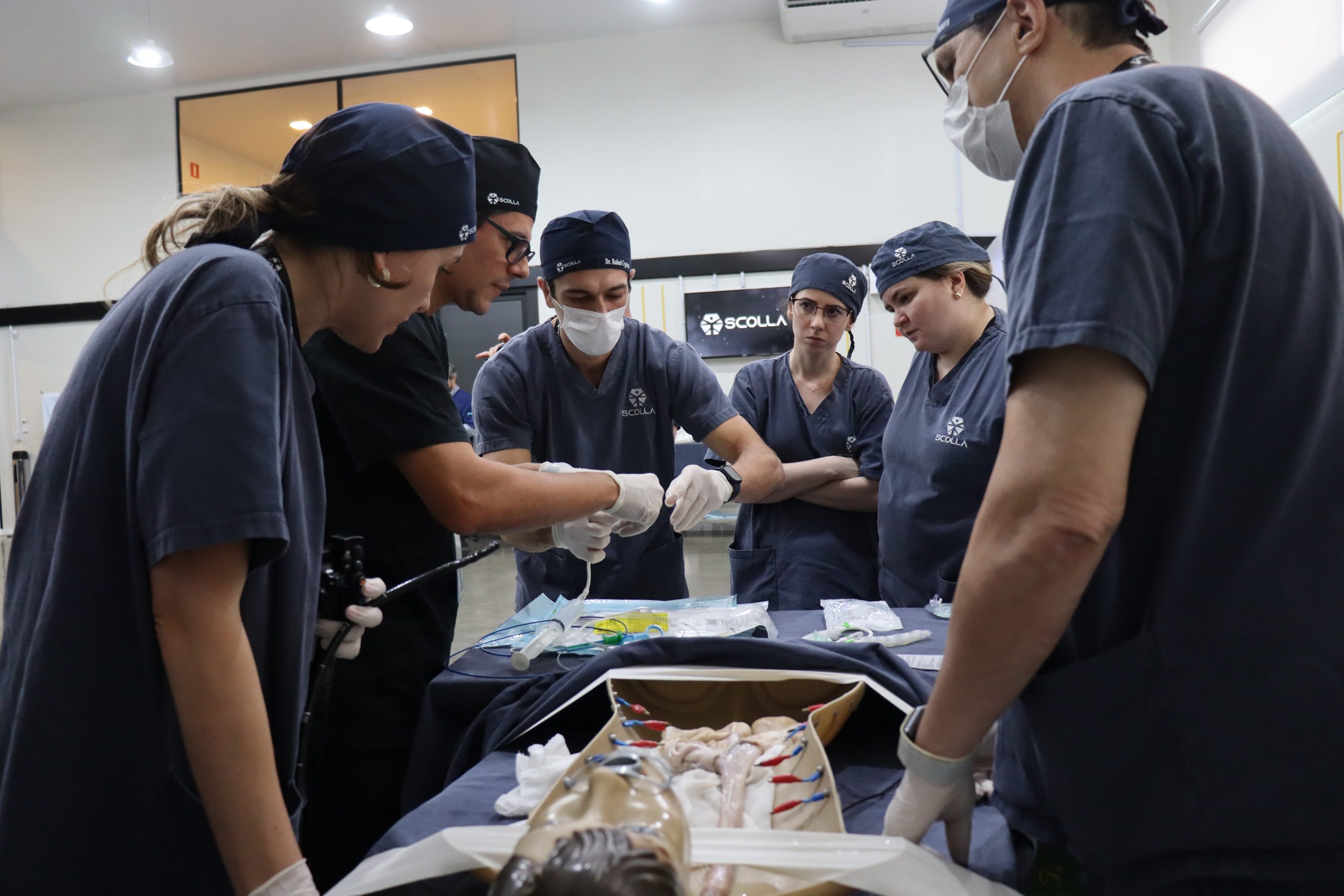
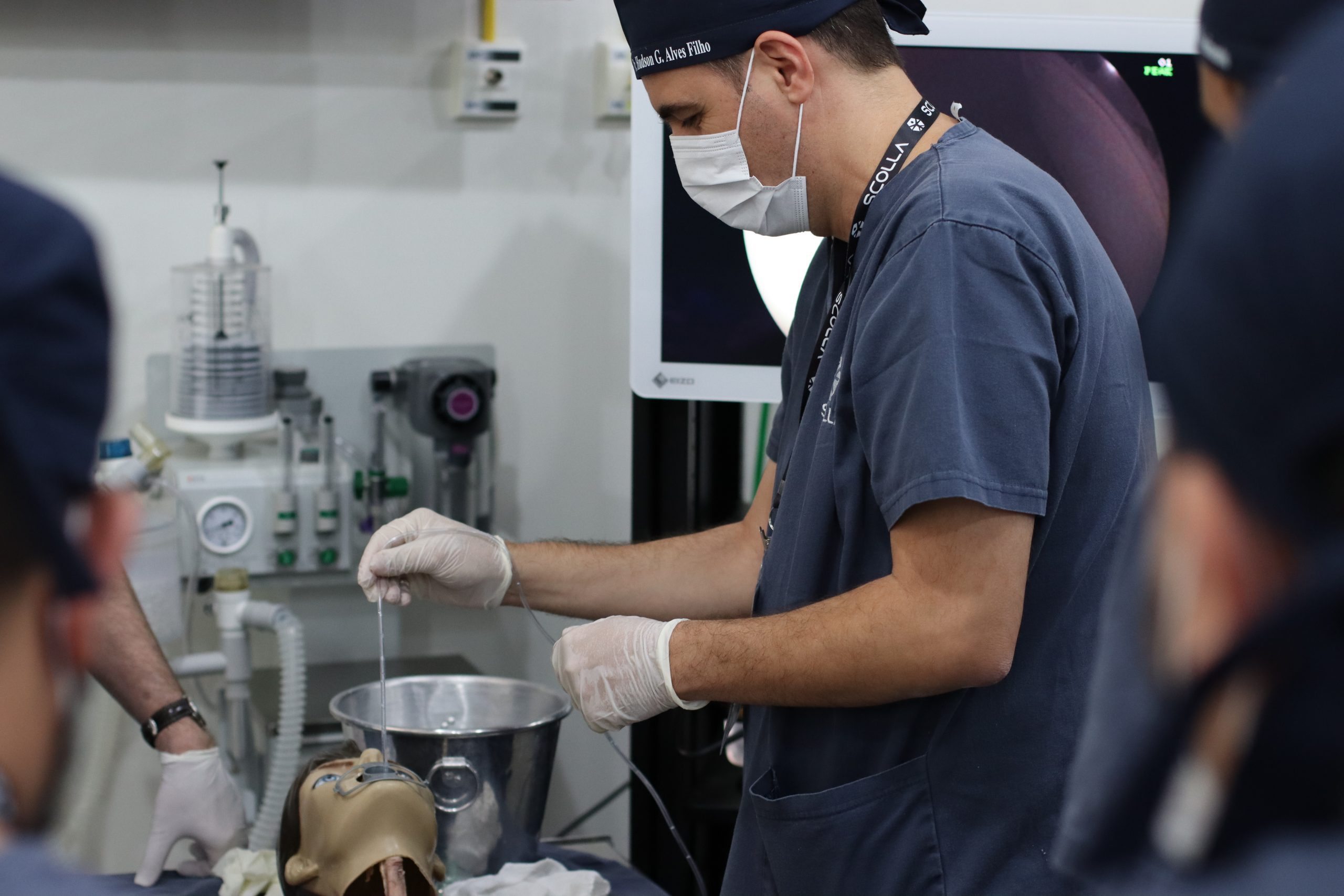
Methodology
The course combines high-level theoretical content with intensive hands-on training at rotating stations, discussion of real-world cases, and live demonstrations of procedures. This format ensures that students graduate fully capable of performing the procedures safely.
Academic Schedule
- 1. Endoscopic Bariatric Anatomy
- 2. Post-Sleeve and Post-Bypass Strictures — Gastrointestinal Bleeding / DUP, Foreign Bodies and Ring Migration, Choledocholithiasis
- 3. Post-Sleeve and Bypass Fistulas — Dilation, Over-the-scope (OTSC) clips, Metal stents (SEMS), Endoluminal vacuum therapy (EndoVac), Double Pigtail, Septotomy, and other techniques
- 1. Pneumatic Sleeve Dilation
- 2. SEMS Placement
- 3. Vacuum Therapy (VAC)
- 4. Double Pigtail
- 5. OTSC (Over-The-Scope Clip)
- 6. Septotomy
- 1. Gastric Balloon — Mechanisms of Action, Types of Balloons, Indications, Clinical Outcomes, Selection of Ideal Patients, Complications
- 2. Endoscopic Gastric Sleeve (ESG) — Concepts, Equipment, OverStitch, Technical Standardization, Clinical Outcomes, ESG vs. Medical Treatment, Complications
- 3. Treatment of Post-Bariatric Weight Regain
Gastric Bypass: Dilation of the gastrojejunal anastomosis, Pathophysiology of weight regain, Diagnostic criteria, APC (Argon) — Technique, Protocols, Evidence, and Results
Gastric Sleeve: Dilatation of the reservoir, Failure of vertical gastrectomy, Revisional endosuture
- 1. Non-adjustable balloon
- 2. Adjustable Balloon
- 3. Swallowable balloon
- 4. Endoscopic gastric plication (ESG)
- 5. Revision Gastric Endosuture
- 6. Argon Plasma (APC)
Secure your spot now
Fill out the form to register and secure your spot in the course. (Before purchasing tickets, please contact our sales department.)
Production