GRADUATE PROGRAM IN

RECONSTRUCTIVE AND PROSTHETIC UROLOGY

2026

Reconstructive and Prosthetic Urology has emerged as a field of great interest and growing demand, driven by technological advances and innovations in surgical techniques. Today, the incorporation of minimally invasive procedures and the use of robotics are transforming clinical practice, providing more precise, safer, and less traumatic outcomes for patients. This postgraduate course was designed to address this need, offeringurologists advanced training that combines theory and practice, with an emphasis on hands-on training on fresh cadavers and the use of robotic surgeryfor reconstruction and prosthetic implants.

Scolla’s facilities are fully equipped for surgical simulation and provide an immersive, high-quality learning experience. The graduate program in Reconstructive and Prosthetic Urology is the first “lato sensu” graduate program in Brazil focused on Reconstructive and Prosthetic Urology, establishing itself as a leader in training specialists to meet the growing demand in this field.

Practical Training Using Simulators and Robotic Platforms

Hands-On Training on a Fresh Cadaver

Immersion in a Realistic Training Center

Lato Sensu program accredited by the Ministry of Education (MEC)

It consists of 6 modules. Total course load: 360 hours

Online lectures, in-person live surgeries, and in-person hands-on practical sessions

Hands-on training using live models and simulators

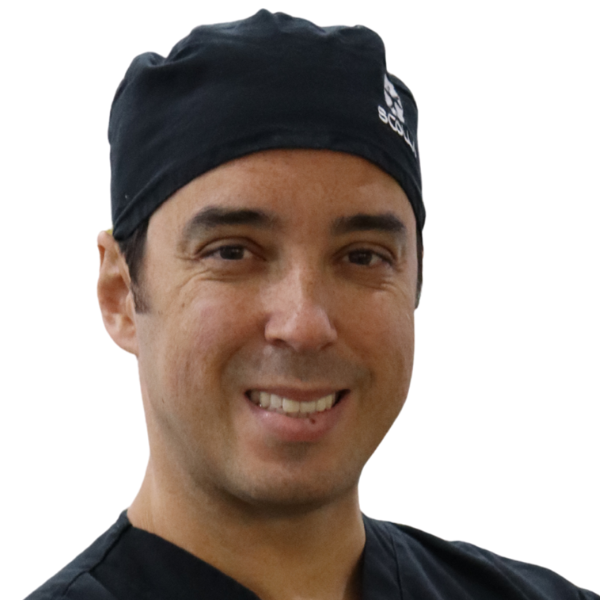
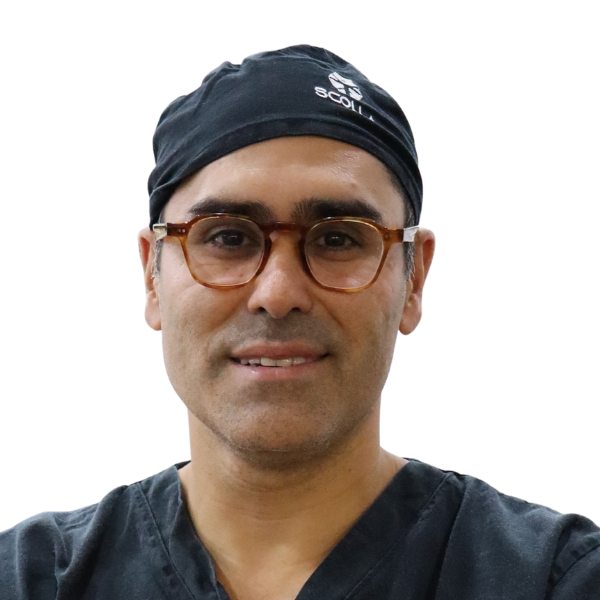
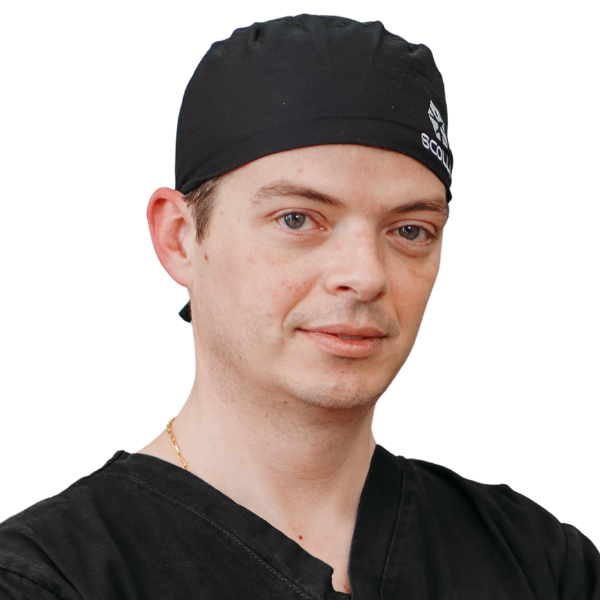
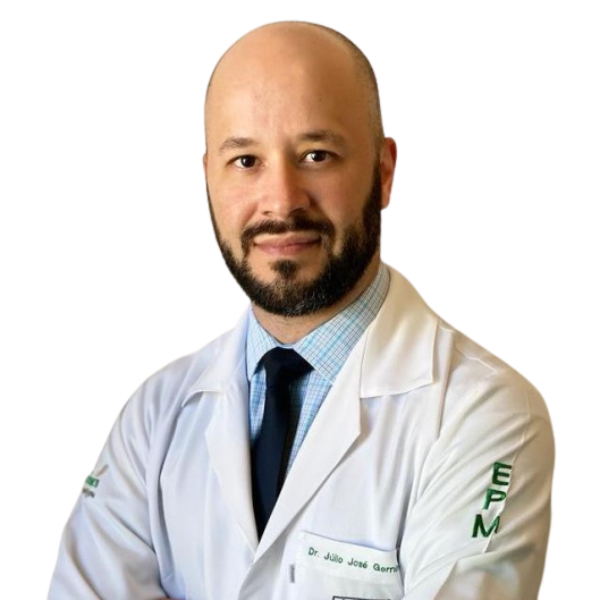
Leading mentors in urology

Performing procedures on actual patients under direct guidance and supervision

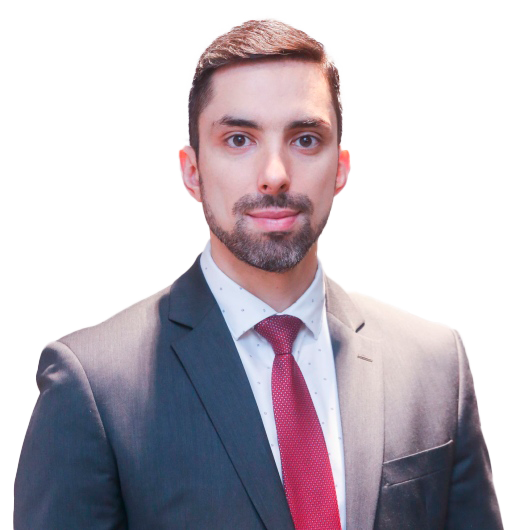
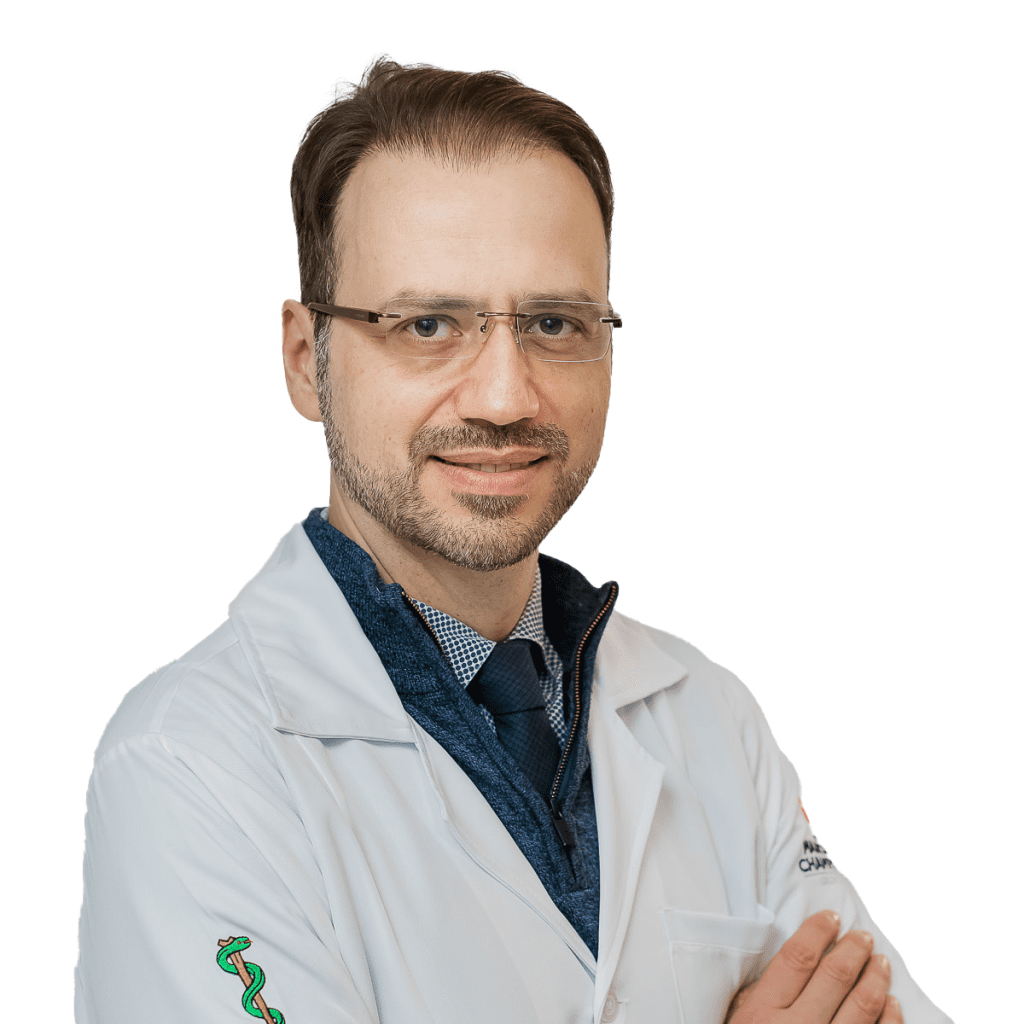
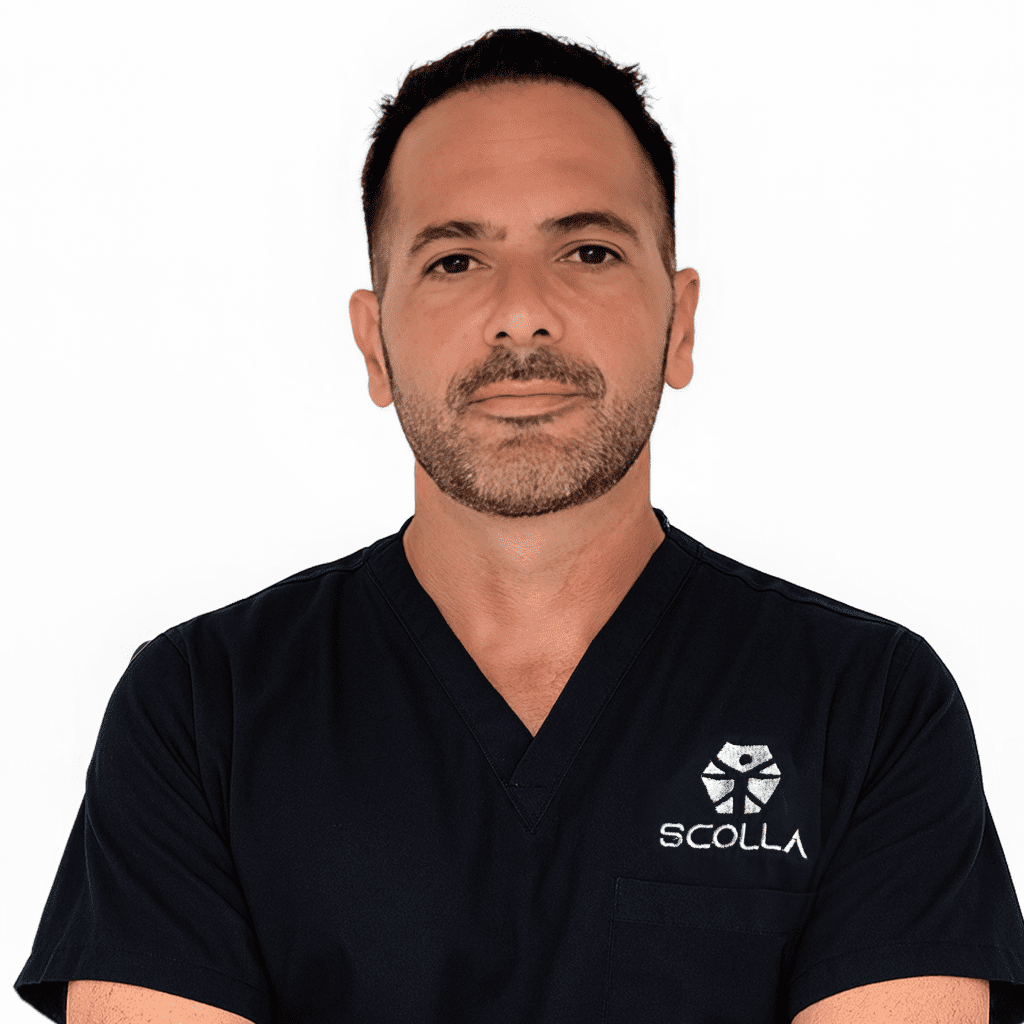
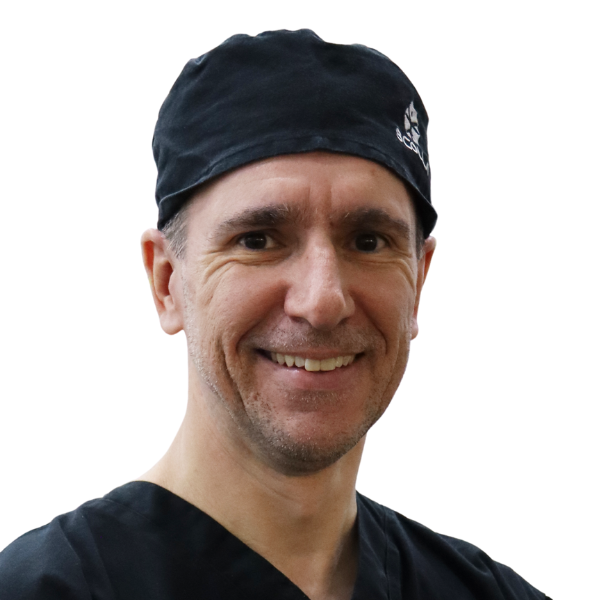
MENTORS

Coordinators

TEACHERS

Concept, Practice & Immersive Environment

Methodology

  • Theoretical Classes: Live, online theory classes will be held over the course of 3 days, allowing participants to access the material at their own pace. 
  • Intensive Hands-On Classes: Over the course of 3 days per module, students will participate in hands-on practical classes that include: 
  • Recorded surgeries and case discussions, providing direct observation of techniques in real time. 
  • "Semi-live" sessions, where procedures are demonstrated and analyzed in detail. 
  • Practical training on live models and the use of anatomical specimens for simulate procedures. 
  • Training in procedures performed on cadaveric anatomical specimens and the use of realistic simulators, enabling in-depth and safe. 

Key Features

  • Integration of Theory and Practice: The combination of theoretical classes with intensive hands-on experience provides a comprehensive learning experience that can be applied in daily clinical practice. 
  • Focus on Innovation: The course highlights the latest and most advanced techniques in urology, preparing professionals for the modern challenges of the specialty. 
  • Flexibility and Accessibility: Online theory classes allow students to study with greater flexibility, while practical sessions offer direct exposure to the realities of surgery. 
  •  Collaborative Environment: The course promotes the exchange of experiences among professionals, encouraging the discussion of clinical cases and the continuous improvement of techniques. 
  • Cutting-edge technology: simulatorsand a robotic training platform. 
  •  Immersive experience: intensive practical training, featuring truly hands-on activities that enable students to learn and feel confident. 
  • Faculty: Recognized professionals with extensive experience in both clinical and educational practice
  •  Postgraduate Certificate lato sensu 
Hybrid Module  Activity  Day of the Week  Schedule  Type  Daily Rate
(h/a) 
Weekly
(h/a) 
Module  Total 

Course 

Lectures  2nd through 4th  7:00 p.m. to 10:00 p.m.  Online  3  9  9  36 
Recorded surgeries 6th  8:00 a.m. to 6:00 p.m.  In-person  10  10  10  40 
Hands-On Classes  Saturday and Sunday  8:00 a.m. to 6:00 p.m.  In-person  10  20  20  80 
Analysis and Evaluation of Recorded Surgeries  Free  free  Online  9  9  9  36 
Entrepreneurship and Medical Career Management Module  Lectures  To Be Determined  to be determined  Online  To Be Determined  To Be Determined  52  52 
Supervised Internship  Postoperative Care  2nd through 6th  8:00 a.m. to 5:00 p.m.  In-person  8  40  80  80 
Extracurricular Activities  Reading Articles, Case Studies, and Recorded Surgeries  Free  free  Online  Free  Free  9  36 
TOTAL  360 

DYNAMICS

Duration of up to 16 months

Total course load of 360 hours, divided into 280 hours of theoretical and practical activities and 80 hours of supervised internship

4 hybrid modules, each lasting 57 hours

Classroom hours

10 hours of recorded surgeries and case discussions
20 hours of hands-on practice

Online course load

9 hours of live theoretical classes
9 hours of analysis/evaluation of advanced surgeries
9 hours of reading articles and studying case studies

Supervised internship

80 hours of observational internship with the course coordinators

Entrepreneurship and Medical Career Management

With a course load of 52 hours, the course is taught entirely online

ACADEMIC SCHEDULE

Module 1: Genital Aesthetics, Penile Prostheses, Sling Procedures, and the Urinary Sphincter

+

May 25–31, 2026
May 25, 26, and 27, 2026 (online lectures)
May 29, 30, and 31, 2026 (hands-on classes at Scolla)

Theoretical Classes (Online)

Day One - Penile Prosthesis

  • Lesson 1 - Indications, Patient Selection, and Preoperative Planning
    • Competencies: Assess the epidemiology of refractory erectile dysfunction; Define absolute and relative indications for penile prostheses; Select patients based on criteria (age, comorbidities, expectations); Distinguish between types of prostheses (malleable vs. inflatable—advantages and limitations); Perform a comprehensive preoperative evaluation (tests, anticoagulation management, urinary tract infections, comorbidities); Obtain informed consent and manage expectations.


  • Lesson 2 - Surgical Technique: Approaches, Tips, and Pitfalls
    • Skills: Select the optimal surgical approach (penoscrotal vs. infrapubic); Perform the step-by-step procedure for implanting an inflatable prosthesis (corpora cavernosa, scrotal pump, reservoir); Master the essential instruments and materials; Prevent intraoperative complications (perforations, failure to dilate, improper positioning); Manage challenging anatomical situations (cavernosal fibrosis, chronic priapism, previous prosthesis failure).


  • Lesson 3 - Intraoperative and Postoperative Complications and Management
    • Competencies: Identify and manage intraoperative complications (urethral perforation, reservoir problems); Prevent, diagnose, and treat prosthesis infections; Diagnose and address mechanical failures (erosion, malfunction); Implement antibiotic prophylaxis protocols and immediate care; Manage pain and rehabilitation.


  • Lesson 4 - Results, Satisfaction, Progress, and Medical Marketing
    • Competencies: Managing expectations vs. reality (patient and partner satisfaction rates); Managing patients with complex comorbidities (e.g., kidney transplant, prostate cancer, trauma); Staying current on innovations in inflatable prostheses (antibacterial, new designs); Implementing follow-up and functional rehabilitation strategies; Applying ethical marketing principles for market positioning (such as making the treatment more accessible and desirable).


Day 2 - Male Urinary Incontinence

  • Lesson 1 - Fundamentals and Indications for Male Urinary Incontinence
    • Competencies: Understand the etiology of urinary incontinence (post-prostatectomy, radiation therapy, trauma); Classify incontinence (mild, moderate, and severe); Perform a comprehensive diagnostic evaluation (urodynamics, voiding diary, imaging studies, endoscopic evaluation); Select the ideal candidate for a sling versus an artificial sphincter; Identify contraindications.


  • Lesson 2 - Male Sling Implantation
    • Skills: Understand the types of slings available (transobturator, adjustable, compressive); Perform the surgical technique step by step; Evaluate success criteria and limitations; Manage challenging situations (prior radiation therapy, pelvic surgeries); Treat complications (urinary retention, erosion, sling failure).


  • Lesson 3 - Artificial Urinary Sphincter (AUS) Implantation
    • Skills: Understand the evolution of the AUS (AMS 800 and new devices); Perform the surgical technique (perineal vs. penoscrotal); Select the appropriate cuff, pump, and reservoir; Manage complex cases (urethral fibrosis, previous surgical failures); Prevent and manage complications (erosion, infection, mechanical failure).


  • Lesson 4 - Results, Follow-up Procedures, and the Future of Treatment
    • Skills: Analyze functional outcomes and satisfaction rates; Manage primary failure and reoperations; Compare slings and AUS for decision-making; Stay informed about innovations in devices (adjustable slings, electronic sphincters); Implement a practical follow-up protocol (rehabilitation, instructions for use, long-term follow-up).


Day 3 - Genital Aesthetics

  • Lesson 1 - Genital Aesthetics: Fundamentals
    • Competencies: Understand the history and evolution of genital aesthetics; Apply concepts of proportion and aesthetic anatomy; Align patients’ primary requests with realistic expectations; Understand the available procedures (diameter augmentation, correction of asymmetries, pubic area); Identify indications, contraindications, and selection criteria; Master ethical, legal, and informed consent considerations.


  • Lesson 2 - Penile Filler with Hyaluronic Acid
    • Skills: Select the appropriate types of hyaluronic acid (rheology, concentration, and durability); Apply anatomical knowledge to penile augmentation; Perform the technique step by step (injection planes, volumes, cannula); Achieve natural and safe results; Manage adverse events and complications (edema, irregularities, nodules, necrosis, vascular events); Provide post-procedure care.


  • Lesson 3 - Peyronie's Disease: A Modern Approach
    • Competencies: Understand the pathophysiology and natural history of the disease; Perform clinical and imaging evaluations (Doppler ultrasound); Define treatment criteria (conservative vs. interventional); Be familiar with treatment options (medications, injections, traction devices, and surgery); Evaluate the role of complementary techniques; Manage patient expectations.


  • Lesson 4 - Pubic Liposuction and Dermolipectomy
    • Competencies: Indicate pubic liposuction and dermolipectomy for aesthetic and functional improvement; Evaluate the patient (BMI, skin laxity, fat distribution, healing); Perform the surgical technique step by step; Combine with other procedures (implants, fillers); Prevent and manage complications; Assess the aesthetic and functional impact, as well as the impact on the perception of penile size.


Practical Classes (in-person at Scolla)

  •   Hands-On: Penile Filler with Hyaluronic Acid
    • Skills: Conduct supervised hands-on training using a model; Select materials, prepare them, and mark them; Perform the technique with individual guidance; Discuss case studies, technical adjustments, and the prevention of complications.


  •  Cadaver Lab: Male Urinary Incontinence
    • Skills: Perform anatomical dissection as applied to sling surgery and artificial urinary sphincter surgery; Simulate the surgical steps; Identify critical structures and technical pitfalls; Discuss anatomical variations and complex cases.


  • Cadaver Lab: Penile Prosthesis
    • Skills: Train in penile prosthesis implantation techniques; Practice surgical approaches and the correct positioning of components; Simulate complex situations (fibrosis, revisions); Discuss complications and prevention strategies.


  • Surgeries
    • Skills: Observe surgeries performed by specialists; Discuss intraoperative technical decisions; Critically analyze the surgical procedure step by step; Interact with surgeons.


Module 2: Minimally Invasive Reconstruction of the Upper Urinary Tract

+

July 20–26, 2026
July 20, 21, and 22 (online classes)
July 24, 25, and 26 (hands-on classes at Scolla)

Theoretical Classes (online)

Day One: Strategic Fundamentals

  • Lesson 1 - Applied Surgical Anatomy and Pathophysiology of Obstruction
    • Skills: Map renal and ureteral vascularization to ensure a safe dissection; Understand the mechanisms of fibrosis and obstruction; Identify key surgical planes in the robotic approach.


  • Lesson 2 - Advanced Diagnostic Assessment
  • Skills: Interpret functional studies (renogram, contrast-enhanced MRI) to inform decision-making; Select the best imaging method for each type of stenosis; Plan surgery based on 3D imaging findings.


  • Lesson 3 - Segmented Robotic Pyeloplasty: The 10 Critical Steps

    • Skills: Safely expose the renal pelvis and upper ureter; Perform spatelation and tension-free anastomosis; Prevent and manage injuries to the polar vessels.


  • Lesson 4 - Principles of Robotic Reconstructive Suturing
    • Skills: Master the technique of intracorporeal suturing with absorbable and non-absorbable sutures; Tie sliding and self-locking knots; Ensure a tight, well-coapted anastomosis.


Day 2: Advanced Techniques and Special Situations 

  • Lesson 1 - Robotic Ureteral Reimplantation: Decision Guide
    • Skills: Choose between the Lich-Gregoir and extravesical techniques; Perform submucosal tunneling to prevent reflux; Manage the distal ureter in cases of fibrosis.
  • Lesson 2 - The Surgeon's Toolkit: Psoas Hitch and Boari Flap
    • Skills: Perform a bladder-to-psoas muscle fixation (psoas hitch) to increase ureteral length; Plan and create a well-vascularized Boari flap for long defects.


  • Lesson 3 - The Surgeon's Toolkit (Part 2): Ureterocalicostomy and Transureterostomy
    • Skills: Indicate and perform ureterocalicostomy in cases of complex proximal strictures; Indicate and perform transureterostomy in exceptional cases.


  • Lesson 4 - Ureteroplasty with Oral Mucosal Graft
    • Skills: Master the technique for harvesting and preparing an oral mucosal graft; Perform ureteral lumen augmentation surgery using the graft; Be familiar with the outcomes and complications of the technique.


Day Three: MANAGING COMPLICATIONS AND OUTCOMES


  • Lesson 1 - Intraoperative: How to Get Out of a Bind
    • Skills: Manage bleeding from renal and gonadal vessels; Identify and repair a devitalized ureter; Convert to open surgery in a safe and structured manner.


  • Lesson 2 - Postoperative Care: Preventing and Treating Fistulas and Restenosis
    • Skills: Apply protocols for the management of drains and catheters; Diagnose fistulas and strictures early; Prescribe and perform endoscopic or surgical treatment of complications.


  • Lesson 3 - Case Roundtable (Part 1)
    • Skills: Discuss and propose solutions for cases of JUP stenosis in patients with a single kidney and for reoperations.


  • Lesson 4 - Case Roundtable (Part 2)
    • Skills: Discuss and propose solutions for cases of iatrogenic ureteral injury and post-radiotherapy strictures or endometriosis.


Practical Classes (in-person at Scolla)

  • Practical Skills:
    • Perform a segmented robotic pyeloplasty on living tissue.
    • Perform robotic ureterovesical reimplantation on living tissue.
    • Practice suturing and anastomosis techniques using high-fidelity laparoscopic and robotic simulators.
    • Analyze videos of complex cases, focusing on the surgeon's decision-making process.


Module 3: Urethral Reconstruction and Gender Affirmation Surgery

+

September 14–20, 2026
September 14, 15, and 16 (online classes)
September 18, 19, and 20 (hands-on classes at Scolla)

Day 1 - Anterior Urethra

  • Lesson 1 — Evaluation of Patients with Urethral Stenosis
    • Competencies: Understand the epidemiology and etiology of urethral stricture; Perform clinical and functional evaluations; Master the technique and interpretation of retrograde and voiding urethrocystography; Use urethral ultrasound to assess the length and degree of stricture; Evaluate the role of magnetic resonance imaging; Plan surgery based on imaging studies.
  • Lesson 2 — Navicular Fossa Stenosis
    • Skills: Determine surgical indications and selection criteria; Understand the technical options for reconstruction; Perform the procedure step by step; Evaluate functional and aesthetic outcomes; Review the key recommendations of international guidelines.
  • Lesson 3 — Penile Urethral Stenosis
    • Skills: Perform an anatomical evaluation and select the appropriate technique; Master the indications and technique for Malone meatoplasty; Apply the Nikolavsky endoluminal technique; Understand the principles, indications, and outcomes of the “mini-Kulkarni” technique; Compare techniques and define selection criteria; Prevent and manage complications.
  • Lesson 4 — Bulbar Urethral Stenosis
    • Skills: Master the surgical anatomy of the bulbar urethra; Indicate and perform transecting urethroplasty and the vessel-sparing technique; Perform bulbar urethral reconstruction following TUR; Evaluate functional outcomes, complications, and long-term follow-up.


Day 2 – Panstenosis and Posterior Urethra

  • Lesson 1 — Urethral Panstenosis
    • Skills: Identify and manage the challenges of panstenosis; Recommend single-stage or multi-stage reconstruction; Master the McAninch and Kulkarni techniques; Learn tips, tricks, and technical pitfalls; Evaluate outcomes and success rates.
  • Lesson 2 — Urethral Reconstruction Grafts
    • Competencies: Define the indications for flaps; Master the technique and applications of the Martius flap and the Gracilis flap; Select the appropriate flap based on the urethral defect; Apply technical tips to reduce complications; Evaluate functional outcomes and morbidity.
  • Lesson 3 — Posterior Urethral Stenosis Due to Pelvic Trauma
    • Skills: Understand the pathophysiology and classification of injuries; Perform diagnostic evaluation and surgical planning; Perform the procedure step by step; Apply tips and tricks for exposure and reconstruction; Manage complex cases and reoperations; Evaluate outcomes and complications.


Day Three - Gender Affirmation Surgery

  • Lesson 1 — Fundamentals and Preoperative Preparation (MtF)
    • Competencies: Understand the principles of surgery and its objectives (functional/aesthetic); Apply eligibility criteria and multidisciplinary evaluation; Optimize the patient’s clinical status (smoking, BMI, comorbidities, thromboembolic risk); Manage perioperative hormone therapy (general concepts and coordination with an endocrinologist); Conduct the informed consent process (expectations, sexuality, risks, and limitations).
  • Lesson 2 — Surgical Anatomy and Technical Planning (the “roadmap” for the case)
    • Skills: Master the relevant anatomy and critical points (vascularization, nerves, urethra, skin); Be familiar with the technical options (vaginoplasty by penile inversion, variations/alternatives, principles of vulvoplasty); Plan the depth, width, and positioning of the introitus; Stratify complex cases (previous circumcision, penile hypoplasia, previous use of blockers/puberty, previous surgery).
  • Lesson 3 — Conceptual Step-by-Step Guide to Surgery (Intraoperative Decision-Making Process)
    • Skills: Master the surgical sequence (without a “set procedure,” but with checkpoints); Construct the neovulva (principles of clitoris/neoclitoroplasty and sensitivity); Perform urethroplasty and meatus placement (prevention of stenosis); Apply safety protocols (hemostasis, drainage, closure, dressings); Define what constitutes “a job well done” during the intraoperative period (symmetry, skin tension, irrigation, prevention of necrosis).
  • Lesson 4 — Postoperative Care, Complications, and Reoperations (What Causes the Most Problems)
    • Competencies: Provide immediate care and rehabilitation (pain management, wound care, hygiene, dilation, return to activities); Manage early complications (bleeding/hematoma, infection, dehiscence, necrosis, urinary retention) and late complications (meatal/urethral stenosis, introitus stenosis, fistulas, loss of depth, pain, functional issues); Order and perform follow-up visits (criteria, timing, and communication with the patient); Collaborate with other specialists in long-term follow-up (gynecologist, coloproctologist, endocrinologist, pelvic physical therapist).


Practical Classes

  • Cadaver Lab - Penile Urethroplasty
    • Skills: Practice techniques for penile urethral reconstruction; Perform applied anatomical dissection; Perform the techniques under supervision; Discuss technical pitfalls and anatomical variations.
  • Cadaver Lab — Bulbar/Posterior Urethroplasties
    • Skills: Perform dissection of the bulbar and posterior urethra; Simulate reconstructive techniques; Address complex cases; Discuss complications and prevention strategies.
  • Cadaver Lab - Gender Affirmation Surgery
    • Skills: Conduct anatomy training as it applies to surgery; Perform urethral reconstruction and apply technical principles; Discuss anatomical and functional challenges; Receive practical guidance from specialists.
  •  Surgeries
    • Skills: Observe surgeries performed by specialists; Discuss technical decisions in real time; Critically analyze procedures; Interact with surgeons.
 

Module 4: Urinary Diversions and Advanced Bladder Reconstruction

+

November 23–29, 2026
November 23, 24, and 25 (online classes)
November 27, 28, and 29 (hands-on classes at Scolla)

Lectures

Day One: Strategic Planning and Patient Selection 

  • Lesson 1 - Choosing a Major in 2026: A Practical Flowchart
    • Skills: Apply a decision algorithm to choose between a conduit, a neobexiga, and a continent diversion; Assess the patient’s psychosocial factors and functional abilities; Manage expectations regarding quality of life.
  • Lesson 2 - Preoperative Optimization (ERAS Protocol)
    • Skills: Implement a pre-rehabilitation protocol (nutrition, physical therapy); Administer evidence-based antibiotic prophylaxis and thromboprophylaxis; Plan multimodal analgesia.
  • Lesson 3 - Intestinal Anatomy for the Urologist
    • Skills: Identify the vascular arcade of the ileum and colon; Assess the mobility and length of the intestinal segment; Select the optimal site for intestinal anastomosis.
  • Lesson 4 - Loop Preparation and Prevention of Ischemia
    • Skills: Isolate the intestinal segment while preserving its blood supply; Perform an intestinal anastomosis (manual or mechanical); Use indocyanine green fluorescence to check perfusion.


Day Two: Surgical Techniques—Step by Step 

  • Lesson 1 - Robotic Ileal Conduit (Bricker): Ureteral Anastomosis
    • Skills: Perform the Bricker-Wallace technique for ureteral reimplantation; Prevent stenosis of the ureter-ileal anastomosis; Position the conduit to prevent kinking.
  • Lesson 2 - Robotic Ileal Conduit (Bricker): Stoma Maturation
    • Skills: Selecting the ideal site for the stoma; Performing mucosal eversion (Brooke technique); Preventing stoma retraction and stenosis.
  • Lesson 3 - Robotic Ileal Neobladder: Setup and Sutures
    • Skills: Perform detubulation and configuration of the ileal patch (Studer/Padovana); Place sutures to create a spherical, low-pressure reservoir; Perform urethro-neovesical anastomosis.
  • Lesson 4 - Continental Derivations (Mitrofanoff/Monti)
    • Skills: Construct a catheterizable channel using the appendix (Mitrofanoff) or a segment of the ileum (Monti); Create an effective antireflux valve mechanism; Position the continent stoma.


Day Three: Managing Complications and Long-Term Outcomes 

  • Lesson 1 - Metabolic and Nutritional Complications
    • Skills: Diagnose and treat hyperchloremic metabolic acidosis; monitor and supplement vitamin B12; prevent osteoporosis and the formation of stones.
  • Lesson 2 - Functional Rehabilitation of the Neobladder
    • Skills: Implement a postoperative bladder rehabilitation protocol; Manage daytime and nighttime urinary incontinence; Instruct patients on intermittent catheterization for residual urine.
  • Lesson 3 - Case Roundtable (Part 1)
    • Skills: Discuss and propose solutions for shunts in irradiated and obese patients.
  • Lesson 4 - Case Roundtable (Part 2)
    • Skills: Discuss and propose solutions for catheter management in patients with borderline kidney function and recurrent infectious complications.

Practical Classes

  • Practical Skills:
    • Create an intracorporeal ileal conduit (Bricker) using living tissue via laparoscopy and robotics.

    • Perform an ileal neobexiga (Studer) procedure on living tissue using laparoscopy and robotic surgery.

    • Practice intestinal and ureteral anastomosis techniques using high-fidelity simulators.

Module 5 | Supervised In-Person Internship

+

A supervised internship is a required activity that involves students gaining hands-on experience by observing the daily operations of the surgical units where the program’s coordinators and faculty members work. 

Module 6 | Entrepreneurship and Medical Career Management

+

This 100% online module is designed to guide medical professionals in their career planning by laying the groundwork for career planning and entrepreneurship through design and planning tools that help structure scenarios and possible outcomes. 

GRADUATE PROGRAM IN

RECONSTRUCTIVE AND PROSTHETIC UROLOGY

APPROVAL CRITERIA

75% class attendance

Grade “C” on the overall evaluation

Student Profile

This course was developed for urologists.

HIGHLIGHTS

Mentoring from the leading experts in the field

Practical and intensive training in an experimental operating room

Exclusive Theoretical Content

A program focused on sharing scientific experiences with mentors

Realistic simulation in an experimental operating room

Extensive exposure to real-world surgical procedures

Before booking your tickets, please contact our sales department.

Payment Terms

Course fee: R$ 85,900.00 in a lump sum (via bank slip or Pix) or 14 installments of R$ 6,135.71 (via credit card—interest-free and without affecting your credit limit).

For your convenience, please avoid using virtual cards to ensure that your recurring payment is processed successfully.

Applicants must submit their résumés for preliminary review before paying for the course.

Before booking your tickets, please contact our sales department.

GRADUATE PROGRAM IN

RECONSTRUCTIVE AND PROSTHETIC UROLOGY

Thank you! We'll be in touch soon.